Article summary
Pest-proof fencing for Auckland gardens: possum, rabbit and pukeko defences, buried skirts, smooth bands and species-matched barriers.
- Category:
- design
- Read time:
- 7 min
- Published:
- 6 October 2026
- Updated:
- 2 November 2026
- Written by:
- Md Mahfuzur Rahman (Milton), Project Manager, My Homes Fencing Expert
Auckland gardens host a wildlife schedule their owners never agreed to: possums on the night shift, rabbits at the fringes, pukeko strolling in from every wetland reserve, hedgehogs underrating themselves through gaps. Pest-proof fencing is the section-wide answer — distinct from the crop-cage approach our veggie enclosure guide covers — and it succeeds or fails on one principle: every species defeats fences differently, so the fence must be built against your species.
Here's the field guide by intruder: what genuinely stops each one, what merely inconveniences it, the gate problem that undoes most pest fencing, and the honest section on where deterrence ends and coexistence begins.
What Makes Pest-Proof Fencing Actually Work?
In short: pest-proofing is species-matching — mesh sized to the smallest body, height set to the best jumper, a buried skirt against the diggers, and climb-defeating details against the climbers. A fence designed against 'pests' generally stops none of them; one designed against your actual visitors stops most.
Start with evidence, not assumption: droppings, dig marks, the crops or plants targeted, and when the damage happens — night says possum, day says pukeko and rabbit.
Then build the defence stack below, choosing the layers your species list demands and skipping the ones it doesn't.
Diggers and Walkers: Rabbits, Hedgehogs, Pukeko
Rabbits are mesh-and-skirt customers: fine galvanised mesh to around a metre with the buried or L-bent skirt our veggie guide details — applied here to whole boundaries or garden zones rather than crop cages, with the skirt carried across every gateway.
Hedgehogs (charming, but hard on ground-nesting wildlife and garden invertebrates) walk through astonishing gaps: the bottom course's mesh aperture and the gap under gates are the whole game.
Pukeko mostly walk in rather than dig. Height to 1.2 metres or so with no walk-through gaps turns most of them away, although they can fly when they choose to, so treat this as a deterrent. Netting is what protects a crop.
The Climbers: Possums and the Honest Truth
Possums climb essentially everything — timber, mesh, brick — so possum defence isn't about the fence face but its top and its bridges. Smooth rigid bands or floppy-top extensions (outward-curving mesh that won't bear weight) defeat the climb at the summit.
The bridges matter more: overhanging branches, pergolas, sheds against the boundary are possum highways that make the best fence irrelevant. Trim the canopy gaps before spending on hardware.
Total possum exclusion is genuinely hard outside dedicated conservation-grade fencing; realistic garden goals are protecting zones, raising effort and removing the easy routes — at which the measures above earn their keep.
Gates, Joints and the Weak-Point Audit
Every pest fence is exactly as good as its sloppiest detail, and the details cluster at gates: ground gaps under leaves, mesh stopping at the frame, latch-side slots — the skirt-across-the-gateway rule and a brush or rubber ground seal close most of them.
Junctions earn the same audit: fence-meets-shed, fence-meets-retaining, the corner where two materials shake hands — pests patrol boundaries professionally and file gaps faster than owners find them.
Walk the line at dusk once a season with pest eyes on: anything you'd squeeze through at their scale, they already have.
Designing Defence Into Garden Fencing
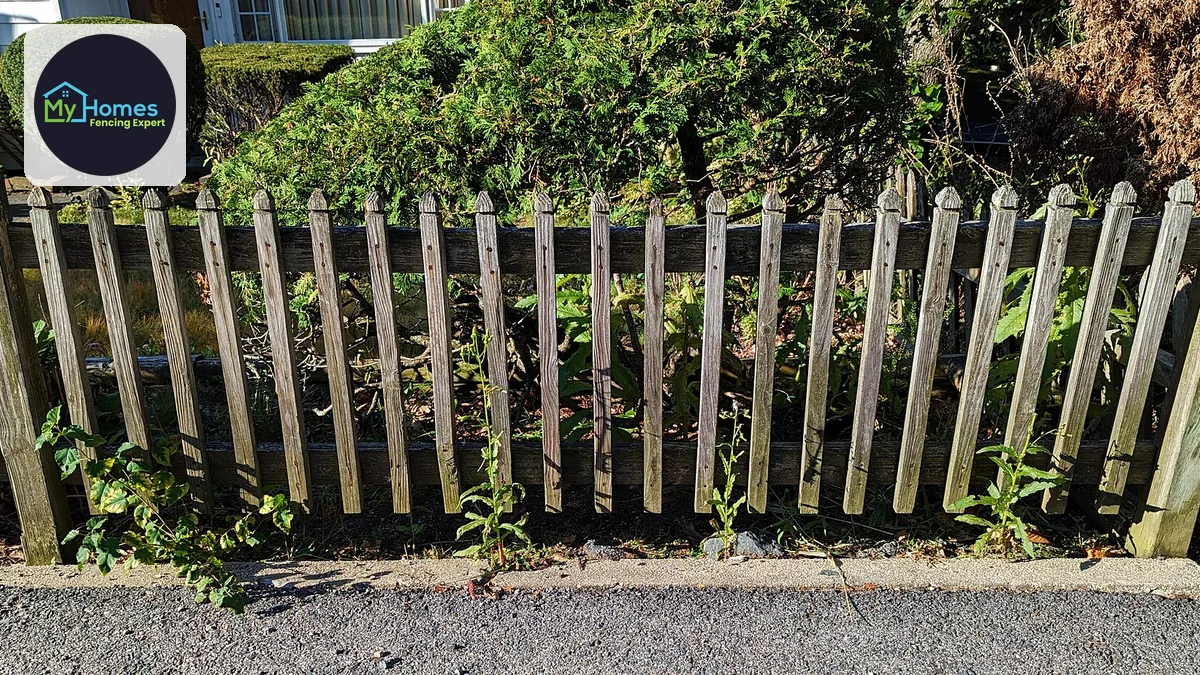
The good news: pest layers retrofit and integrate — mesh linings fix discreetly to existing paling and tubular fences, skirts trench in along established lines, smooth bands add to timber tops without rebuilding.
New builds do it more elegantly, specifying the mesh course, skirt and top details into the fence our garden fencing service designs — invisible at a glance, decisive at ground level.
Keep pets in the brief too: containment and exclusion share most hardware, and our dogs-and-pets thinking pairs naturally — one fence, both jobs, specified once.
What Should You Know Before Targeting a Species?
Identify the visitor properly, since the fix depends on it and some of them have legal protection. Pūkeko are native, and New Zealand's Wildlife Act gives wildlife different levels of protection by species, so fencing and netting are the straightforward choices. Before doing anything beyond keeping them out, check with the Department of Conservation what's allowed. The same caution applies to any trap or bait that a native bird or a pet could reach.
Then think about what the fence will also stop. A fine-mesh boundary doesn't only keep out rabbits. It may also shut out the neighbour's cat and, more importantly, your own pet's escape route, which may be exactly what you want. It may also trap an animal inside, so walk the boundary after installation and leave an easy way out until you're sure that nothing has been fenced in.
Nearby land matters too. Beside a reserve or bush, pest pressure is steady, so focus your fencing on the zones you most need to protect. A trap line or a local pest-control group may do more than another metre of mesh. Possums and rats in particular are usually better handled through trapping and removing the bridges, with the fence as one layer of the defence.
How Much Does Pest Fencing Cost, and Who Agrees to It?
It's usually an add-on rather than a separate fence. As a guide including GST, a garden or picket fence of about 1.2m is $100–$200 per linear metre, and a timber paling fence is $90–$160. Mesh linings, skirts and top bands are then quoted on length, because trenching and access change the labour. Zoning a 15m garden edge costs far less than protecting an entire boundary.
Check the ground first. A buried skirt means digging along the fence line, so get beforeUdig plans for anything deeper than a shallow trench, and be careful of irrigation and garden lighting. Wet or rocky ground and tree roots can make the trench difficult. Bending the skirt outward just under the surface is often easier than digging straight down, and it's the method overseas rabbit-fence specifications commonly use.
A shared boundary needs a conversation. Your neighbour may not want a mesh lining or floppy top visible from their side, and extras like these usually fall outside the adequate fence they'd share under the Fencing Act. Agree it first, or fix what you can on your own side. A top extension also counts toward the fence height, so check the 2m limit that generally applies in common Auckland zones.
Built Against Your Actual Visitors
My Homes Fencing Expert builds and retrofits pest-resistant fencing across Auckland — species-matched mesh, buried skirts, climb details and sealed gates, integrated into fencing you'd happily look at.
Call 022 315 8987 or book a free, no-obligation quote online; tell us what's eating what and when, and we'll design against the culprit instead of the category.
Frequently Asked Questions
Defeat the climb at the top — smooth bands or floppy-top extensions that won't bear weight — and remove the bridges: overhanging branches and structures touching the fence. Total exclusion is conservation-grade territory; protecting zones and removing easy routes is the realistic garden win.
They walk in, so deny the stroll: fencing to around 1.2 metres with no walk-through gaps, gateways included. They can still fly over when they choose to, so use netting where a crop needs real protection.
Fine mesh to around a metre with a buried or L-bent skirt along the vulnerable boundary — carried across every gateway, which is where most rabbit fencing quietly fails. Zone the defence where pressure is real rather than ringing the whole section.
Usually, and discreetly — mesh linings fix to paling and tubular fences, skirts trench in along established lines, and smooth top bands add without rebuilding. A weak-point audit at gates and junctions finishes the job.
Almost always a detail, not the fence: the gap under the gate, the mesh stopping at a frame, the branch bridging the top, the junction where materials meet. Walk the line at their scale — anything you'd squeeze through, they already have.
Keeping them out with fencing and netting is the straightforward approach. Pukeko are native, and the Wildlife Act protects wildlife to different degrees, so check with the Department of Conservation before doing anything beyond that.
Yes, it adds to the height of the fence. In common Auckland zones, side and rear fences are generally limited to 2m, so check how much room you have, and agree anything visible from next door with your neighbour first.
Official Sources
General information, not legal advice. Rules vary by property and zone, so check your address with Auckland Council before you build.
Ready to start your fencing project?
Get a free, no-obligation quote anywhere in Auckland.
Get a Free QuoteRelated fencing services