Article summary
Budget-friendly fencing ideas that don't compromise on quality or appearance for cost-conscious homeowners.
- Category:
- cost
- Read time:
- 5 min
- Published:
- 15 October 2025
- Written by:
- My Homes Fencing Expert
Quick answer: in Auckland the most affordable fence that still lasts is a treated-pine paling fence — it's the lowest cost per lineal metre of any solid timber option, and with the right treatment and footings it holds up for 15–20 years. The real budget killer isn't choosing a cheaper style; it's cutting corners on post treatment or footing depth, which forces a rebuild in three or four years.
"Cheap" and "good value" aren't the same thing, and after years of fencing across Auckland we've replaced plenty of bargain fences that didn't survive their first few winters. This guide covers the genuinely affordable options, where it's safe to save, and how to make a budget fence look far more expensive than it cost.
The Most Affordable Fence Types, Ranked
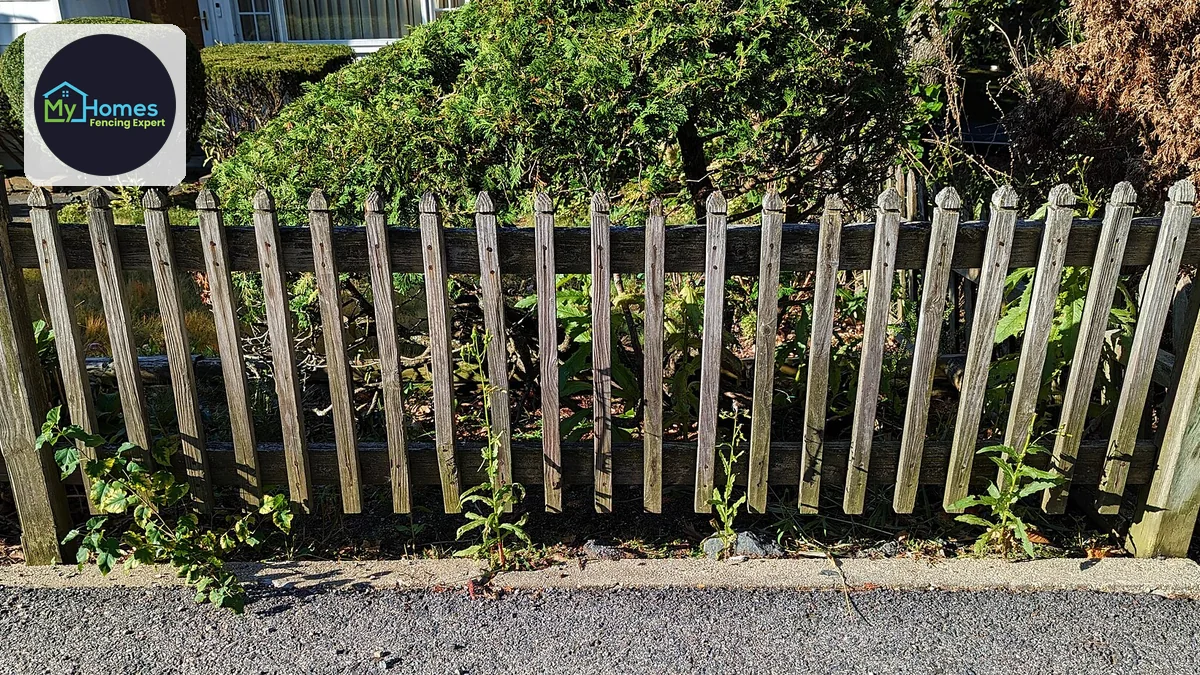
Treated-pine paling fencing is almost always the cheapest solid boundary fence in Auckland, which is why it's on the majority of Kiwi sections. A standard 1.8m paling fence uses readily available H3.2-treated pine and simple construction, keeping both material and labour costs down. A one-sided 'good neighbour' layout — palings on one face with the rails exposed on your side — is the most economical option; capping rails and palings on both sides cost more.
Below paling fences on price sit wire and mesh systems — post-and-wire, netting or welded mesh — which suit rural-edge, lifestyle-block and rear boundaries where you need containment rather than privacy. At the other end, corrugated metal and SmartWall panels cost more upfront but can work out competitive over 25+ years because they never need re-staining. If your priority is the lowest price today, pine palings win; if it's the lowest cost per year owned, it pays to compare.
Whatever the style, insist your quote is itemised by material versus labour and priced per lineal metre. That's the only way to compare two 'cheap' quotes fairly — a low headline figure often just means fewer posts, thinner rails, or timber that isn't rated for the job and will cost you again later.
Where It's Safe to Save — and Where It Never Is
You can genuinely save by choosing a standard height (1.8m needs no consent on most side and rear boundaries), running longer straight sections with fewer corners and gates, opting for a one-sided paling layout, and doing your own staining once the fence is up. Sharing the cost with your neighbour is often the biggest saving of all — under the Fencing Act 1978 an adjoining owner is generally expected to contribute to a reasonable boundary fence, so it's worth a conversation before you build (see our guide on sharing fence costs with neighbours).
Where you must not cut corners is below ground. Posts set too shallow, in undersized holes, or using timber that isn't rated for in-ground use (H4 or H5, not H3.2) are the number-one reason budget fences fail early in Auckland's wet clay soils. Stretching posts too far apart to save a few holes leaves the fence flexing in wind and sagging within a season. The money saved there is always spent again, usually within three to five years.
In short: save on style, height, layout and finishing; never on post treatment, footing depth or post spacing. A slightly plainer fence built properly outlasts a fancier one built cheaply every time.
Making a Budget Fence Look Far More Expensive
A few small choices lift a plain paling fence well beyond its price. A capping rail along the top instantly tidies the line and hides the paling ends; a single consistent stain colour — dark charcoal and black are popular across Auckland right now — reads as far more intentional than bare timber; and keeping fixings hidden or neatly aligned makes inexpensive materials look custom.
Mixing materials selectively is another low-cost trick: run an affordable paling fence along the long side boundaries and spend a little more only on the street-facing section, or top a lower solid fence with a cheap slatted or trellis panel for extra height and interest. Planting a hedge or climbers along the base softens the fence and, given a season or two, does more for the look than any amount of extra timber.
None of this needs a big budget — it's about spending where it shows and keeping the rest simple. A free on-site quote is the quickest way to see which affordable option genuinely suits your section rather than guessing from a generic price list.
Frequently Asked Questions
A treated-pine paling fence is normally the cheapest solid, private boundary fence per lineal metre. Wire or mesh fencing is cheaper again but offers no privacy, so it's mainly used on rural-edge or rear boundaries. Pine palings give the lowest install price; a low-maintenance material like SmartWall or aluminium can give the lowest lifetime cost once you factor in years of re-staining.
If the damage is limited to a few posts or palings and the rest of the frame is sound, repair is almost always cheaper. Once problems are spread along the fence line or posts have rotted at ground level, repeated repairs usually cost more than a rebuild — our repair-vs-replacement guide covers exactly how to judge this.
Yes — provided the in-ground posts are properly treated (H4/H5), set at the right depth in adequately sized footings, and spaced correctly. A modest paling fence built to those standards routinely lasts 15–20 years. It's shortcuts below ground, not the choice of an affordable style, that cause early failure.
Ready to start your fencing project?
Get a free, no-obligation quote anywhere in Auckland.
Get a Free QuoteRelated fencing services