Article summary
Pool fence materials compared: glass, aluminium and timber on looks, compliance detailing, upkeep and cost — choose before the landscaping does.
- Category:
- materials
- Read time:
- 5 min
- Published:
- 9 August 2026
- Written by:
- My Homes Fencing Expert
Pool fencing is the one corner of the industry where the law writes the first half of your specification — heights, gaps, gates — and your material choice writes the second. With pool fence materials, the compliance floor is identical across all of them, so the real comparison is everything above that floor: views, looks, upkeep, cost and how each material detail-proofs itself against inspection day.
Three materials do almost all of New Zealand's residential pool barrier work: aluminium, glass and timber. Here's how they compare where it counts, and how mixed-material barriers — the most common real-world answer — get assembled well.
Pool Fence Materials Compared: The Short Version
In short: aluminium is the value-and-sanity default — compliant panel systems, durable powder-coat finishes, minimal upkeep. Glass is the premium pick where the view is the point, at a real price and cleaning commitment. Timber works where the boundary fence doubles as the barrier, with careful compliance detailing.
Every option must meet the same baseline: barriers generally at least 1.2 metres high, strict gap limits, self-closing self-latching gates, and nothing climbable nearby. Requirements are specific and can change — confirm current rules for your property before building.
The material never buys compliance leniency; it buys what surrounds compliance.
Aluminium: The Default for Good Reasons
Tubular and flat-top aluminium pool panels are purpose-built for barrier requirements — compliant gaps and heights off the shelf, with the gate hardware ecosystem to match. Powder-coat colours integrate with landscaping, and the metal's salt-and-splash indifference suits poolside life perfectly.
Upkeep is the wash-down routine; chlorinated splash and sunscreen smears rinse off without drama.
It's also the most forgiving material at inspection time — manufactured panels don't develop the gaps and footholds that improvised barriers do. For most Auckland pools, aluminium is where the comparison starts and often ends.
Glass: Paying for the Uninterrupted View
Frameless and semi-frameless glass exists for one reason that justifies everything else: the pool, the kids in it, and the view beyond stay fully visible from the deck and the kitchen window. Around entertaining areas and on sea-view sections, nothing else competes.
The price is real — semi-frameless above aluminium, frameless above that — and so is the upkeep: water spotting and salt film mean regular cleaning to keep the clarity you paid for. Fittings are precision items: spigots, hinges and latches in marine-grade stainless, installed exactly.
Our glass pool fencing guide goes deeper; in comparison terms, glass is the premium tier where visibility is the brief.
Timber: The Boundary-Doubling Option
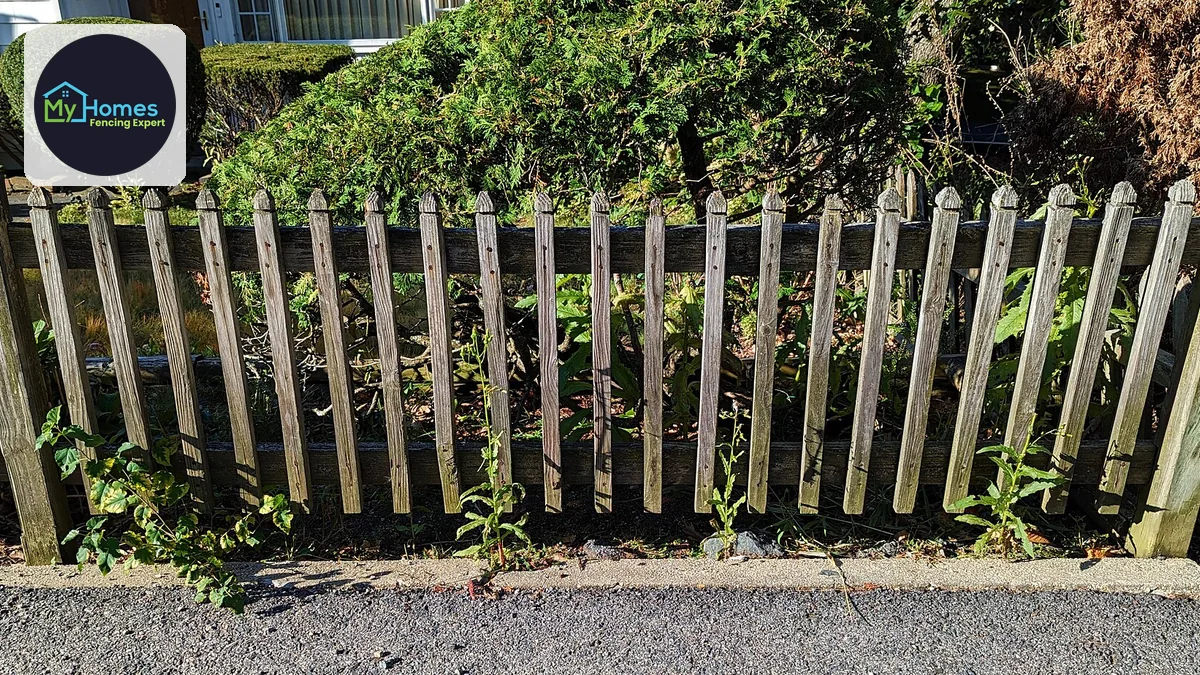
Timber enters pool fencing mostly one way: when a boundary fence forms part of the barrier. Done right — full compliant height, vertical design with no horizontal footholds on the pool side, gaps within limits — it's legitimate and economical, sparing you a second fence inside your own.
The detailing is everything, and it's where existing fences usually fail assessment: rails forming a ladder, gaps grown past limits, gates without compliant hardware. Have any boundary-as-barrier plan assessed against current requirements rather than assumed.
Pure poolside timber fencing inside the section is rarer — aluminium's compliance-per-dollar usually wins that spot.
Mixing Materials and Minding the Gates
Most real pool barriers are hybrids: glass along the entertaining edge, aluminium around the working sides, the boundary timber fence closing the far line. Mixing is fine — every section and every junction just has to meet the same standard, junctions being where gaps like to hide.
Gates deserve their own paragraph in any material: self-closing hinges, self-latching at compliant height, opening away from the pool — the most regulated and most failure-prone metres of the barrier, and the worst place to economise on hardware.
And whatever the materials, keep the climbable-object rule in view: planters, pumps and furniture near the barrier can undo a compliant fence from outside it.
Choose the Material, Then Build It Compliant
Rank your priority — value and ease: aluminium; the view: glass; boundary economy: detailed timber — then let the barrier rules shape the design from the first sketch, because retrofitting compliance into finished landscaping is the expensive route.
My Homes Fencing Expert builds aluminium, glass and timber pool barriers across Auckland, including the hybrid layouts most pools actually need, designed to current requirements and quoted in writing.
Call 022 315 8987 or book a free, no-obligation quote online — ideally before the landscaping plan is final, while the barrier line is still cheap to get right.
Frequently Asked Questions
Aluminium for most pools — compliant panel systems, durable finishes, minimal upkeep and the friendliest price for the standard. Glass earns its premium where visibility is the point; timber earns its place where a boundary fence doubles as the barrier.
Where the view matters — entertaining areas, sea outlooks, sightlines to swimming children — it delivers something no other material can. Budget for the price gap and the regular cleaning that keeps the clarity you're paying for.
Often, if it meets the full standard: compliant height, gap limits, no climbable horizontals on the pool side, compliant gates. Existing fences frequently need modification, so have the plan assessed against current requirements rather than assumed.
Yes — glass on the view edge, aluminium elsewhere, boundary timber closing the line is the most common real-world barrier. Every section and junction must meet the same standard; junctions are where gaps hide.
Barriers must generally be at least 1.2 metres, with strict gap and climbable-object limits and self-closing, self-latching gates. Requirements are specific and can change — confirm the current rules for your property before building.
Ready to start your fencing project?
Get a free, no-obligation quote anywhere in Auckland.
Get a Free QuoteRelated fencing services