Article summary
Pool fence cost in Auckland depends on materials, gates and compliance. See what sets the price of a compliant pool barrier — before you build.
- Category:
- cost
- Read time:
- 5 min
- Published:
- 20 May 2026
- Written by:
- My Homes Fencing Expert
Pool fencing is the one category of fencing where the law writes part of your specification for you. Pool fence cost in Auckland starts from a compliance baseline — minimum heights, maximum gaps, self-closing gates — and your choices about materials and design build on top of that floor, never below it.
That makes pool fencing easier to price in some ways and less forgiving in others. Here's how the costs break down across materials, gates and site work, and why getting compliance right the first time is the cheapest way to do it.
How Much Does a Pool Fence Cost in Auckland?
In short: pool fence cost is set by the perimeter length, the material you choose — aluminium is typically the most economical compliant option, frameless glass the premium — the number and quality of gates, and the levels and surfaces the fence has to work across.
The compliance baseline means there's no genuinely cheap pool fence. Barriers must generally be at least 1.2 metres high with strict limits on gaps and climbable elements, and every component has to meet that standard, not just most of them.
Rules are specific and can change, so confirm current pool barrier requirements for your property before building. A fence that fails inspection costs twice.
Compliance Sets the Baseline Spec
New Zealand's pool barrier requirements dictate minimum height, maximum gaps under and between elements, gate behaviour, and clearances from anything climbable. These aren't style choices — they're the floor every quote is built on.
This is why pool fencing quotes between reputable installers cluster more tightly than general fencing quotes: the specification is largely fixed. Big price differences usually mean someone is quoting a different material — or a non-compliant shortcut.
Treat compliance knowledge as part of what you're buying. An installer who works with pool barriers regularly will design out the inspection failures before they're built in.
Material Choices: Aluminium, Glass and Timber
Powder-coated aluminium is the mainstream choice: compliant panel systems, durable finishes, sensible pricing and almost no maintenance. For most Auckland pools it delivers the best value per metre.
Glass is the premium tier — semi-frameless costs meaningfully more than aluminium, and frameless more again, with channel or spigot fixing adding precision site work. What you're buying is the uninterrupted view, which around a pool is worth real money to many owners.
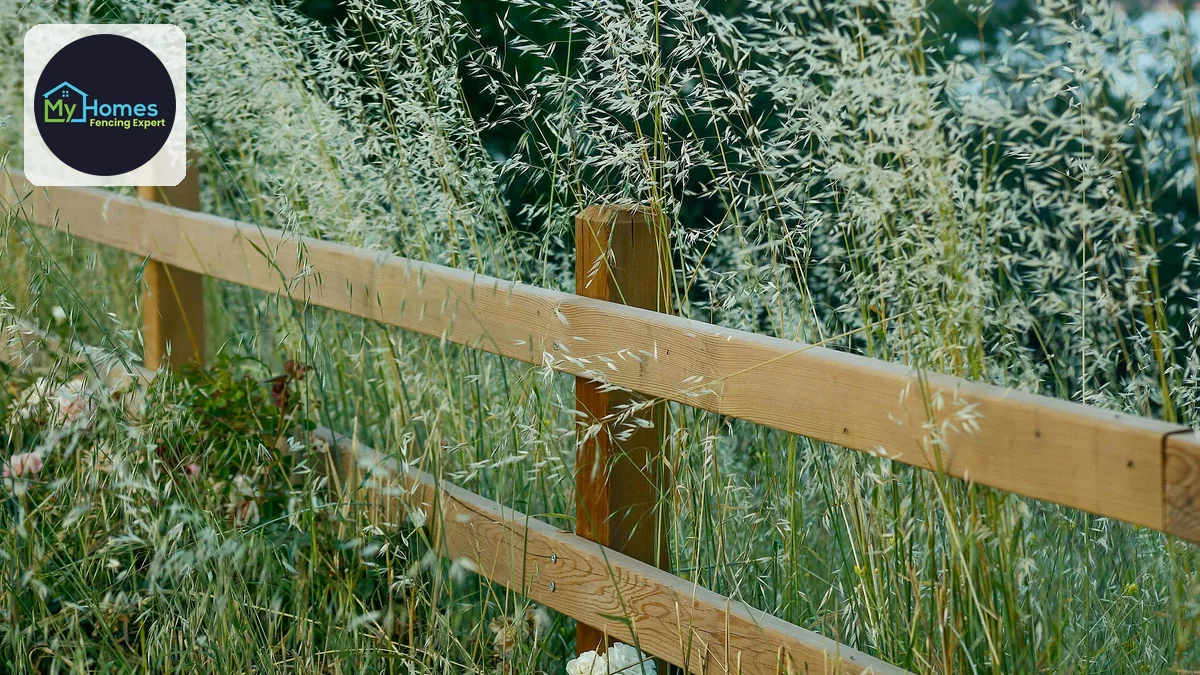
Timber can form part of a pool barrier where it meets the height, gap and climbability requirements — vertical designs without horizontal footholds. It suits boundaries doubling as pool barriers, but detailing it compliantly takes care.
Gates and Hardware: A Big Slice of the Budget
Pool gates are the most regulated and most expensive metres of the whole barrier. Self-closing hinges, self-latching mechanisms mounted at compliant heights, opening away from the pool — the hardware is precision equipment and is priced like it.
Resist the urge to add extra gates for convenience. Every gate is a cost on day one and an inspection point forever; most pools are best served by one well-placed, well-built gate.
Hardware quality matters disproportionately here, because a pool gate that stops self-closing isn't an annoyance — it's a compliance failure and a child-safety risk. This is the worst place in fencing to save money.
Site Levels, Decks and Landscaping
Pools rarely sit on convenient flat lawn. Fencing across changing levels, fixing into concrete or stone copings, core-drilling for glass spigots, and integrating with decks all add site work that a simple boundary fence never sees.
Decks and raised planters near the barrier also interact with the climbability rules — objects that give a child a leg up can make an otherwise compliant fence non-compliant. Sometimes the cheapest fix is moving a planter, not extending a fence.
Planning the barrier line early in any pool or landscaping project is the money-saver here. Retrofitting compliance into a finished landscape is the expensive version.
Inspections and Getting It Right First Time
Pool barriers in New Zealand are subject to inspection requirements, and remedial work after a failed inspection — re-hanging gates, closing gaps, raising sections — costs more than building compliantly the first time.
Keep your paperwork: knowing exactly what was installed, and to which specification, makes every future inspection and repair simpler.
We design and build pool fencing to current requirements and flag anything on your site that could compromise compliance. Rules can change, so we also recommend confirming current guidance directly when planning your project.
Get a Pool Fencing Quote
My Homes Fencing Expert builds compliant pool fencing across Auckland in aluminium, glass and timber, from straightforward panel barriers to fences integrated with decks and landscaping.
Call 022 315 8987 or request a free, no-obligation quote online. We'll measure the perimeter, talk through materials honestly, and price a barrier that passes — first time.
Frequently Asked Questions
Powder-coated aluminium panel fencing is typically the most economical way to meet pool barrier requirements, combining compliant design, durable finish and low maintenance. Glass costs more; the premium buys the view.
Gates carry the strictest requirements in the barrier — self-closing hinges, self-latching at compliant heights, opening away from the pool. The hardware is precision equipment, and it's the one place a failure creates genuine safety risk.
Sometimes — where it meets the height, gap and climbability requirements that apply to pool barriers. Many standard fences don't without modification, so have it assessed against current requirements rather than assuming.
Pool barriers must generally be at least 1.2 metres high, with strict limits on gaps and climbable elements nearby. Requirements are specific and can change, so confirm current rules for your property before building.
Spa pools have their own provisions — in some cases a compliant lockable cover can satisfy the requirements instead of a fence. Check the current rules for your spa's size and setup before assuming either way.
Ready to start your fencing project?
Get a free, no-obligation quote anywhere in Auckland.
Get a Free QuoteRelated fencing services