
Article summary
How acoustic fencing works and whether it can cut traffic and neighbour noise around your home.
- Category:
- design
- Read time:
- 3 min
- Published:
- 18 April 2025
- Written by:
- My Homes Fencing Expert
Quick answer: yes, a fence can reduce noise, but only if it's solid, heavy and gap-free — sound leaks through the smallest gaps, so a standard slatted or paling fence with even tiny cracks does little. Effective acoustic fencing uses dense, mass-heavy materials (thick timber, concrete, or a purpose-built acoustic panel) with no gaps, built as tall and close to the noise source as possible. It won't silence traffic, but it can take the edge off.
Noise-reducing fencing is one of the most misunderstood requests we get. Here's what actually works, and what to realistically expect.
How Fences Actually Block Sound
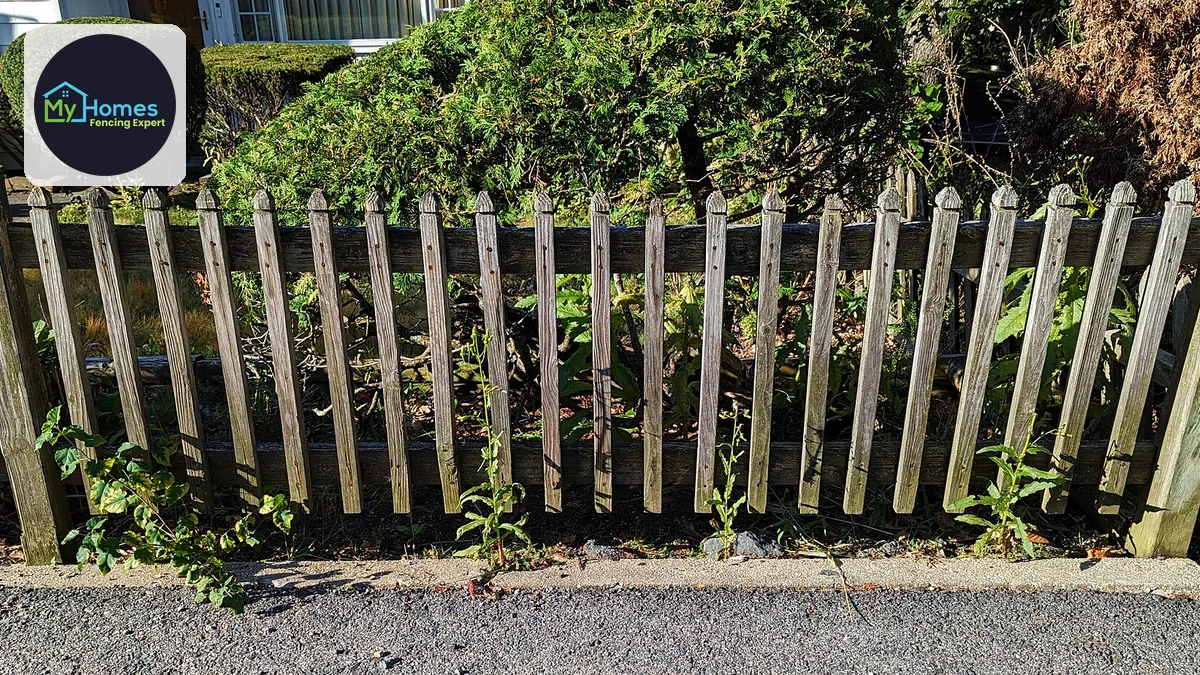
Sound is blocked in two ways: mass (heavy, dense materials reflect and absorb sound energy) and sealing (no gaps for sound to leak through). This is why a light, slatted or gappy fence does almost nothing acoustically — sound pours straight through the openings — while a solid, heavy barrier makes a noticeable difference. The denser and more continuous the fence, the more it reduces the noise reaching your yard.
The other factors are height and position. A taller fence blocks more of the direct sound path, and a fence placed close to the noise source (the road, the neighbour's heat pump) or close to the area you're protecting works better than one in the middle. Even a good acoustic fence reduces rather than eliminates noise, so it's about making outdoor space more pleasant, not achieving silence.
Materials That Make a Difference
For a fence to work acoustically it needs mass and no gaps. Thick, close-boarded timber with tight joints, a lapped or double-sided design, concrete or masonry walls, and purpose-made acoustic fence panels all add the density required. A solid rendered wall system like SmartWall performs well here because it's genuinely solid with no gaps — one reason it's popular on busy roads.
The details matter: gaps at the bottom of the fence, between boards, or where the fence meets the ground all leak sound and undermine the whole thing. An acoustic fence has to be built tight, top to bottom, to deliver its rated benefit.
Setting Realistic Expectations
It's important to be honest about what a fence can do. It can meaningfully soften constant road hum, a neighbour's pool pump, or general backyard noise, making a deck or patio far more usable. It won't block out low-frequency sound entirely or make a busy arterial road inaudible — physics limits what any single barrier can achieve.
For the best result, combine a solid, tall, gap-free fence positioned near the source with soft landscaping (planting absorbs some sound and helps psychologically). If noise is a serious problem, we can talk through the most effective solid-fence or wall option for your boundary and what improvement to realistically expect.
Frequently Asked Questions
Yes, a solid, heavy, gap-free fence can noticeably soften constant noise like road hum or a pool pump, making outdoor areas more usable. It reduces rather than eliminates sound, though — no fence will make a busy road inaudible.
Mass and sealing. Dense materials (thick timber, concrete, masonry or purpose-built acoustic panels) reflect and absorb sound, and there must be no gaps — at the bottom, between boards or at the ground — because sound leaks through the smallest openings.
Generally yes — a solid rendered wall system like SmartWall, or concrete/masonry, has the mass and gap-free construction that acoustic performance needs, which is why solid walls are popular on busy roads. A tightly close-boarded heavy timber fence can also help.
Ready to start your fencing project?
Get a free, no-obligation quote anywhere in Auckland.
Get a Free QuoteRelated fencing services