Article summary
Decorative and practical garden fencing ideas to frame your planting and add charm to your outdoor space.
- Category:
- design
- Read time:
- 8 min
- Published:
- 17 December 2025
- Written by:
- My Homes Fencing Expert
Quick answer: a garden fence doesn't have to be a tall boundary barrier — it's often a lower, more decorative structure used to frame planting, divide zones, edge a path or veggie patch, and add charm. Picket, low slat, post-and-rail, woven and trellis-topped fences all work; the trick is matching the height and style to the job (definition and looks rather than full privacy) and to the plants around it.
Garden fencing is where you can have some fun with design. Here are ideas that make a yard feel more considered, plus what actually lasts in Auckland's damp conditions.
A Garden Fence Does a Different Job
A boundary fence exists to mark a legal line, provide privacy and keep things in or out. A garden fence inside your own section does none of that. Its job is composition — creating edges that make a yard read as a series of considered spaces rather than one undifferentiated area with things happening in it.
That difference frees you from most of the constraints that govern boundary fencing. There is no neighbour to agree with, no cost-sharing conversation, no privacy requirement, and generally none of the height rules that apply on a boundary. You can build low, you can build open, and you can prioritise looks over function.
The practical consequence is that garden fences fail for design reasons far more often than structural ones. A perfectly built garden fence in the wrong position, or at the wrong height, still makes the yard feel worse. Get the placement right before you think about materials.
Height Is the Design Decision
Three heights do almost all the work in a garden, and each one does something completely different. Ankle to knee height reads purely as an edge — it stops mulch migrating onto the lawn and tells the eye where a bed begins, without dividing the space at all. This is the height for bed edging and path borders.
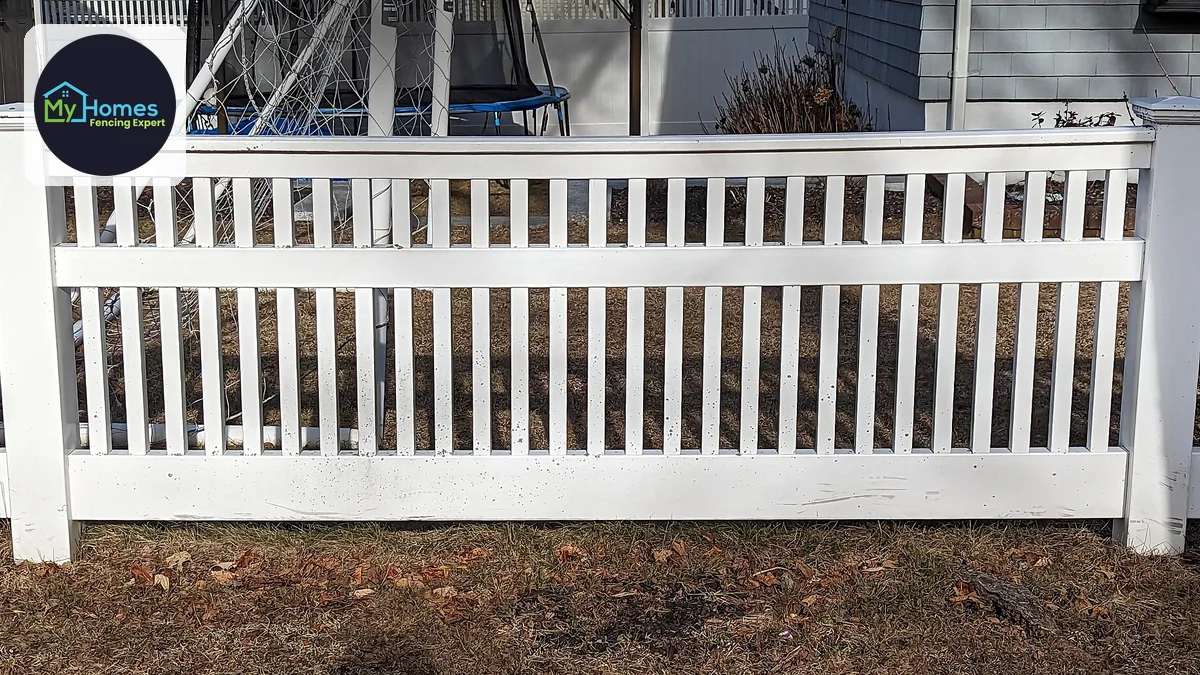
Knee to waist height is where a fence starts creating rooms. It is high enough to separate a vegetable patch, a play area or a seating zone, and low enough that you still see across the whole yard and can step over it if you need to. On most Auckland sections this is the useful height and it is under-used.
Above waist height, a garden fence begins to screen, and that changes the character of the yard entirely — it stops being one space you can read at a glance. Sometimes that is exactly what you want, around a compost area, a bin store or a spa. Often it makes a small section feel chopped up, and a lower fence with planting would have done more.
Styles and What Each One Suits
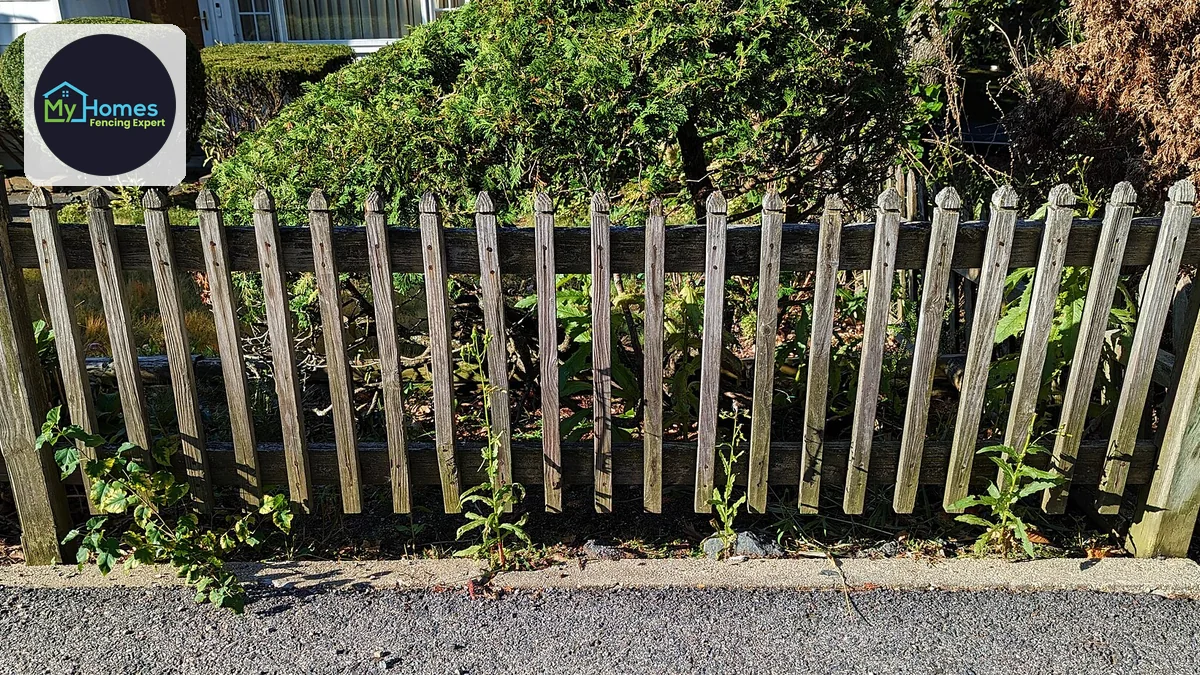
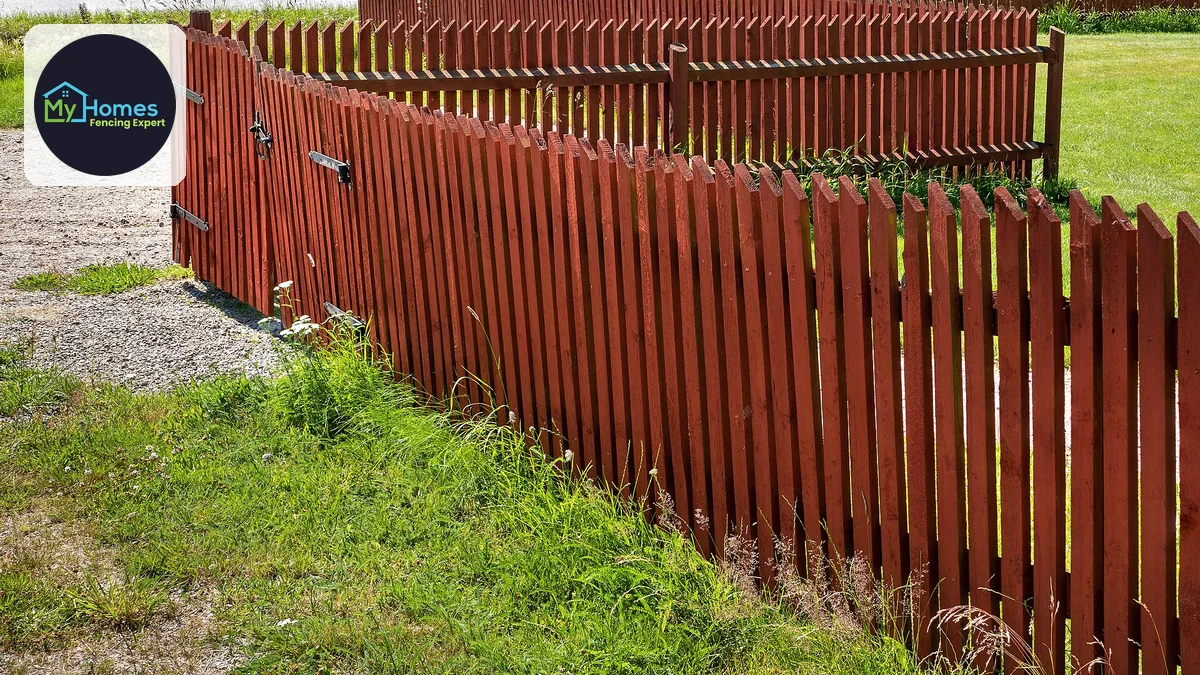
Timber picket is the classic and it earns its reputation. The vertical rhythm reads as tidy from any angle, it suits villas and bungalows completely, and it can be painted to pick up the house colour. It is also the style most people already picture when they think of a garden fence, which makes it a safe choice.
Low horizontal slat is the modern equivalent and suits contemporary homes and the darker palettes currently popular. It reads as more architectural and less cottage, and because the lines are horizontal it visually widens a narrow space — genuinely useful on a long thin Auckland section.
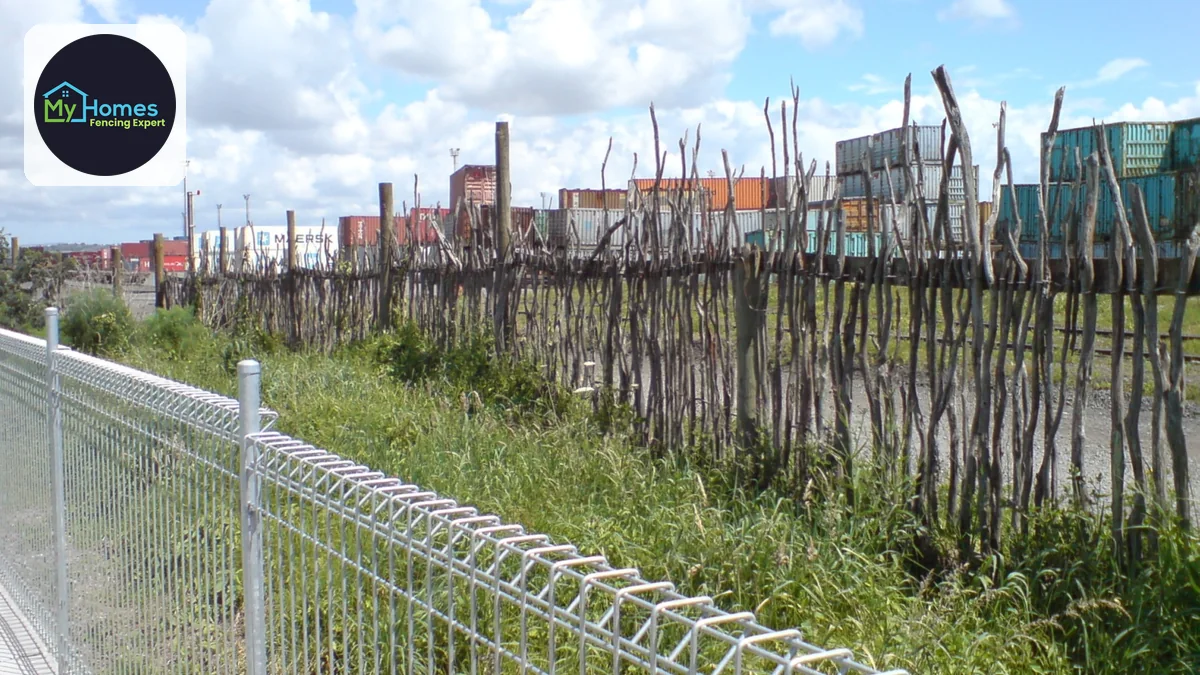
Post-and-rail is the softest and cheapest per metre. It defines an edge with the absolute minimum of material and looks best where planting will grow through and around it. Woven and hurdle styles do something similar with more texture and more charm, and they age into the garden in a way that painted timber does not.
Vegetable Beds and the Treated Timber Question
This comes up on almost every vegetable garden job and it deserves a straight answer. Timber in ground contact needs preservative treatment to survive, and in New Zealand that has long meant copper-based preservatives including copper-chrome-arsenate for in-ground H4 and H5 timber.
Plenty of people are entirely comfortable with treated timber around edible beds and plenty are not, and both positions are reasonable. What we would say is that if you have a concern, the practical answer is not to compromise on the structure — it is to separate the treated timber from the growing medium with a liner along the inside face, or to use a naturally durable species for the parts in contact with the soil you are growing in.
What is not negotiable regardless of your position: never burn treated timber offcuts, and keep sawdust from cutting treated timber out of the compost and away from the beds. That applies whether the fence is around vegetables or not.
Fences That Carry Plants
A garden fence and a climbing plant are a natural pairing, and a trellis-topped or lattice panel turns a plain divider into a green feature within a season or two. Jasmine, clematis, climbing roses and ornamental grape all establish readily in Auckland, though the aspect decides which will actually thrive — sunny north- and west-facing runs want different climbers from a shaded south-facing one.
The structural point people miss is that a mature climber is heavy, and heavier still after rain. A light decorative lattice adequate for its own weight can sag or pull at its fixings once a few seasons of growth are hanging on it. Fix the framing back to the posts, not just to the boards, and use screws rather than staples.
Planting in front of a low fence rather than on it is the easier alternative and often the better-looking one. A knee-height fence with a planted border spilling over it reads as generous and established, where the same fence standing bare reads as unfinished.
Why Low Fences Rot Faster Than You'd Think
Garden fences have a durability problem that boundary fences do not, and it catches people out because the fence looks so undemanding. The ratio is against you: on a low fence, a much larger proportion of the total timber is at or near ground level, which is the only place that actually rots.
Then there is splashback. Rain hitting the ground next to a low fence throws soil and water back onto timber that sits only a few hundred millimetres up, keeping it dirty and damp in a way a 1.8-metre fence's palings never are. Add irrigation, sprinklers and a garden bed that gets watered regularly, and a garden fence lives in permanently wetter conditions than a boundary one.
Mulch is the third factor and the most easily fixed. Beds get topped up over the years and the level creeps, until timber that was specified for above-ground use is quietly buried. Keeping mulch and soil clear of the timber, and using H4 for anything in ground contact, does most of the work.
Details That Make a Garden Look Designed
Consistency is what separates a designed garden from an accumulated one. One stain colour across every fence, gate, arch and planter box in the yard will make a collection of ordinary structures look intentional. Three near-misses of the same colour will not, no matter how good each individual piece is.
Repeating a detail helps too — the same post cap, the same board spacing, the same rail height carried between unconnected structures ties them together visually. It costs nothing and it is the thing landscape designers do that homeowners usually skip.
If you want the look with no upkeep at all, powder-coated aluminium and composite both make rot-free garden edges and dividers that never need coating. My Homes Fencing Expert builds garden fencing, screens and gates across Auckland — call 022 315 8987 or book a free, no-obligation site visit.
Frequently Asked Questions
Three heights do the work. Ankle to knee reads as pure edging for beds and paths. Knee to waist creates zones while you can still see across the yard — the most useful and most under-used height. Above waist it starts screening, which can make a small section feel chopped up.
A trellis-topped or lattice panel for climbers like jasmine, clematis or ornamental grape — but fix the framing back to the posts and use screws, because a mature climber holding rainwater is a real ongoing load. Planting in front of a low fence is the easier alternative and often looks better.
Views differ and both are reasonable. If you have a concern, don't compromise the structure — line the inside face to separate the treated timber from the growing medium, or use a naturally durable species where it contacts the soil. Never burn treated offcuts, and keep the sawdust out of compost.
H4 for anything in ground contact and H3.2 above ground, same as a boundary fence. The difference is that low fences have a much higher proportion of their timber near the ground — which is the only place that actually rots.
Three reasons that compound. A larger share of the timber sits at ground level; rain splashback throws soil and water back onto timber only a few hundred millimetres up; and beds get topped up over the years until above-ground timber is quietly buried in mulch.
Low horizontal slat. It reads as architectural rather than cottage, suits the darker palettes currently popular, and the horizontal lines visually widen a space — genuinely useful on a long narrow Auckland section. Picket suits villas and bungalows better.
One stain colour across every fence, gate, arch and planter in the yard, and a repeated detail — the same post cap, board spacing or rail height — carried between unconnected structures. It costs nothing and it's the step most homeowners skip.
Ready to start your fencing project?
Get a free, no-obligation quote anywhere in Auckland.
Get a Free QuoteRelated fencing services