Article summary
Discover the fencing styles, materials, and design ideas shaping New Zealand homes in 2026, from modern slat fences to sustainable timber.
- Category:
- design
- Read time:
- 8 min
- Published:
- 1 May 2026
- Written by:
- My Homes Fencing Expert
Quick answer: the fences going up around New Zealand in 2026 lean modern and low-maintenance — horizontal and vertical slats, dark charcoal and black tones, aluminium and mixed-material feature panels, and a growing move toward durable, sustainable choices. The overall direction is clean lines, fewer fussy details, and materials you don't have to keep re-painting.
Fencing styles shift with home design, and 2026 is firmly in the modern, low-fuss camp. Here are the trends shaping Kiwi boundaries this year.
Slats Are Now the Default, Not the Statement
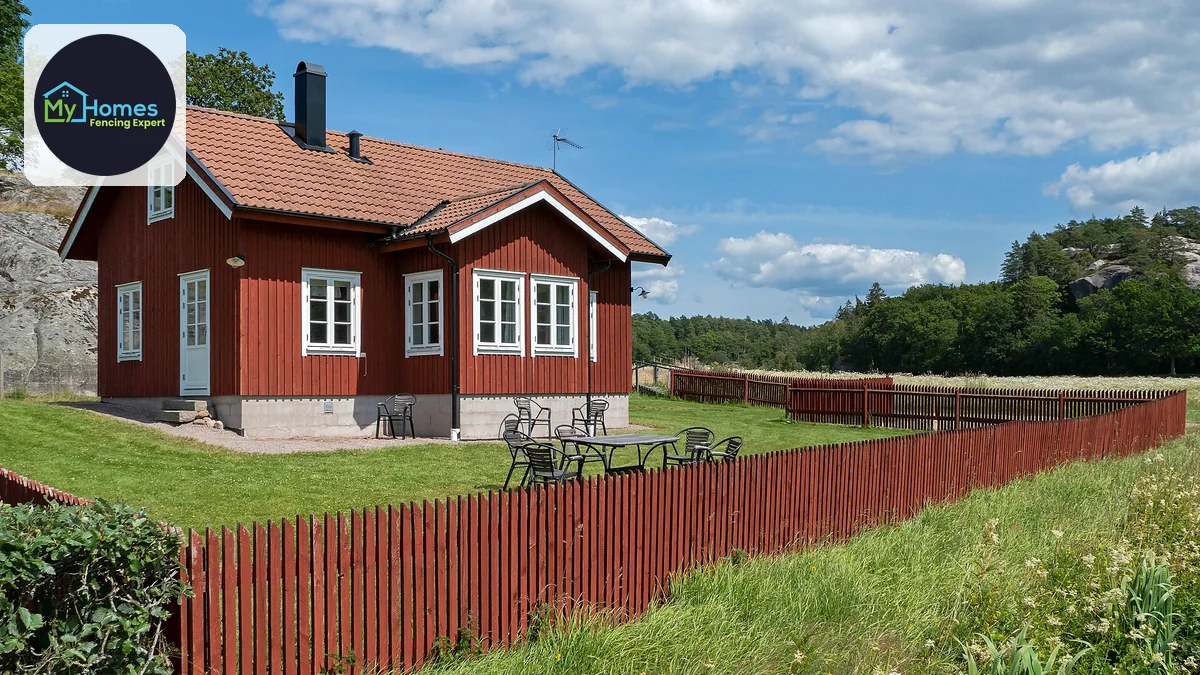
Slat fencing has completed the journey from architectural feature to standard expectation. A decade ago a slat fence marked a house out as design-conscious; in 2026 it is simply what a lot of new Auckland frontages look like, and a plain paling fence at the street is what now reads as a deliberate choice.
The interesting development is that the conversation has moved from whether to use slats to how to space them. Owners increasingly arrive knowing they want slats and asking about the gap-to-slat ratio, which is the right question — that proportion controls privacy, wind behaviour and how substantial the fence looks far more than the material does.
Vertical is quietly winning over horizontal for practical reasons that are becoming better understood: vertical slats shed water instead of collecting it on every upward edge, they do not sag between posts, and they are not climbable, which matters anywhere near a pool.
Dark Tones and the Trade-off Nobody Mentions
Charcoal and black dominate, and the reason is a real visual effect rather than fashion. A dark fence recedes — the eye reads it as depth rather than as a boundary — so the yard feels larger, and green planting reads as vivid against it in a way it never does against mid-brown or cream.
The trade-off that rarely gets discussed is heat. A black timber fence in full New Zealand sun gets far hotter than the air temperature, which drives moisture movement in the timber: the sun-facing side dries hard while the shaded side stays damp, and that differential is what makes boards cup and open up gaps.
It does not make dark the wrong choice — it remains the best-looking option for most modern homes. It does mean better timber, a better coating, and accepting that the north- and west-facing runs will want attention before the shaded ones do.
Mixed Materials, Used Strategically
Mixing materials along a boundary is now mainstream, and the driver is as much budget as design. An aluminium or dark-stained slat feature at the street with simpler fencing down the sides delivers the frontage people actually want without spending premium rates on thirty metres of rear boundary nobody sees.
The 2026 refinement is that the mixing has become smarter about exposure as well as visibility. Putting the low-maintenance material where the salt lands, or where access is difficult, and the cheaper material where you can easily reach it to re-coat, matches the spend to the conditions rather than just to the view.
What makes a mixed-material boundary read as deliberate rather than patched is consistency in everything except the material — same height, same colour, and one clean transition rather than several. Get those right and nobody perceives it as a compromise.
Low Maintenance Has Become a Primary Driver
Low maintenance used to be a nice-to-have that owners traded away for a lower price. In 2026 it is frequently the deciding factor, and that is a genuine shift in how people evaluate a fence. Aluminium, PVC and SmartWall are increasingly chosen specifically to escape the re-coating cycle rather than for how they look.
Part of this is honesty. Owners have worked out that the timber maintenance schedule they intended to keep is not the one they actually kept, and that a fence which quietly looks after itself outperforms a theoretically better fence they will neglect.
The practical consequence is that lifetime cost, not install cost, is now the number more people ask about. That is a more useful way to compare fences, and it reliably narrows the apparent gap between timber and the low-maintenance materials.
Fences as Part of the Landscape, Not a Boundary
The clearest design trend is that fences are increasingly specified alongside decking, screens, planters and paving rather than as a separate item bought later. The aim is for the outdoor space to read as one designed area, with the boundary as its backdrop rather than its limit.
In practice that means colours picked up from the house, roof or joinery rather than chosen in isolation; a fence stain matched to deck and screen stains; and details like post caps, board spacing and rail heights repeated across unconnected structures so the yard has a visual grammar.
It also means fences are being used inside the section, not just around it — low garden fences defining zones, freestanding screens sheltering seating areas, and planting integrated with the fence line rather than planted against it afterwards.
Privacy Is Being Solved More Cleverly
Auckland's intensification is producing more overlooking, more two-storey neighbours, and more sections where the outdoor living area is visible from somewhere new. The old response was to build the boundary taller. The 2026 response is more targeted, partly because height limits force it to be.
Freestanding screens placed close to the area you actually want private are doing more of the work, because a screen near you blocks a far wider angle than the same screen at the boundary — so it can be lower, shorter and cheaper while performing better.
Louvre systems are the other growth area, specifically because they solve the two-storey problem that height cannot. Angled blades block a downward view while keeping your own outlook and airflow, which is exactly what an overlooked courtyard needs and exactly what a taller solid fence fails to deliver.
Sustainability, Measured Honestly
Interest in sustainable fencing keeps growing, and the thinking behind it has matured. The naive version was to pick a green-labelled material. The more useful version, which more owners now arrive with, is that the environmental cost of a fence is paid once and divided by how many years it stands.
That reframes things usefully. Certified timber and high-recycled-content composite both matter, but a fence built with correct post treatment, drainage and footings — so it lasts twenty-five years instead of twelve — does more for its footprint than any material swap. Durability is the sustainability decision.
If you want a fence that feels current in 2026, the reliable combination is clean-lined slats, a dark consistent colour, low-maintenance materials where exposure or access justifies them, and a design that ties into the rest of the outdoor space. My Homes Fencing Expert can translate any of this into something that suits your specific home and budget — call 022 315 8987 or book a free, no-obligation consult.
Frequently Asked Questions
Slats as the default rather than a statement, dark charcoal and black tones, mixed materials used strategically by exposure and visibility, low maintenance as a primary decision driver, fences designed as part of the landscape, and smarter targeted privacy solutions rather than simply taller fences.
Charcoal and black, with deep greys as the softer alternative. Dark tones recede so the yard feels larger and planting reads as vivid against them. The key to the current look is one consistent colour across fence, gate and screens — not the specific shade.
Both are current, but vertical is quietly winning on practical grounds: it sheds water instead of collecting it on every upward edge, doesn't sag between posts, and isn't climbable — which matters anywhere near a pool. Horizontal still looks superb on the right house.
Yes, and increasingly for practical rather than aesthetic reasons — owners choosing it specifically to escape the re-coating cycle. It's the default on coastal and pool sites, and it features heavily in the mixed-material frontages that are now mainstream.
Heat. A black timber fence in full sun gets far hotter than the air, which dries the sun-facing side hard while the shaded side stays damp — and that differential is what makes boards cup and open up gaps. Use good timber and a good coating, and expect the sunny runs to need attention first.
More targeted than taller. Freestanding screens placed close to the area you want private block a wider angle than the same screen at the boundary, so they can be lower and shorter. Louvres are growing fast because they solve the two-storey overlooking problem that height alone cannot.
Consistency in everything except the material — same height, same colour, and one clean transition rather than several. Match the spend to conditions too: low-maintenance material where the salt lands or access is hard, cheaper material where you can easily reach it.
Ready to start your fencing project?
Get a free, no-obligation quote anywhere in Auckland.
Get a Free QuoteRelated fencing services