Article summary
How stepped and raked fencing handles Auckland's hilly sections neatly and attractively.
- Category:
- design
- Read time:
- 3 min
- Published:
- 4 March 2025
- Written by:
- My Homes Fencing Expert
Quick answer: on a slope you have two main options — 'stepped' fencing, where each panel stays level and drops down in steps like a staircase (leaving small triangular gaps at the bottom), or 'raked' fencing, where the fence follows the ground angle so the bottom rail runs parallel to the slope with no gaps. Stepped suits panel and modern looks and gentle-to-moderate slopes; raked suits paling fences and keeps the bottom sealed, which matters for pets and privacy. Steep sites may also need retaining.
Auckland has plenty of hilly sections, and sloping ground is where fencing gets technical. Here's how it's done well.
Stepped vs Raked: The Two Approaches
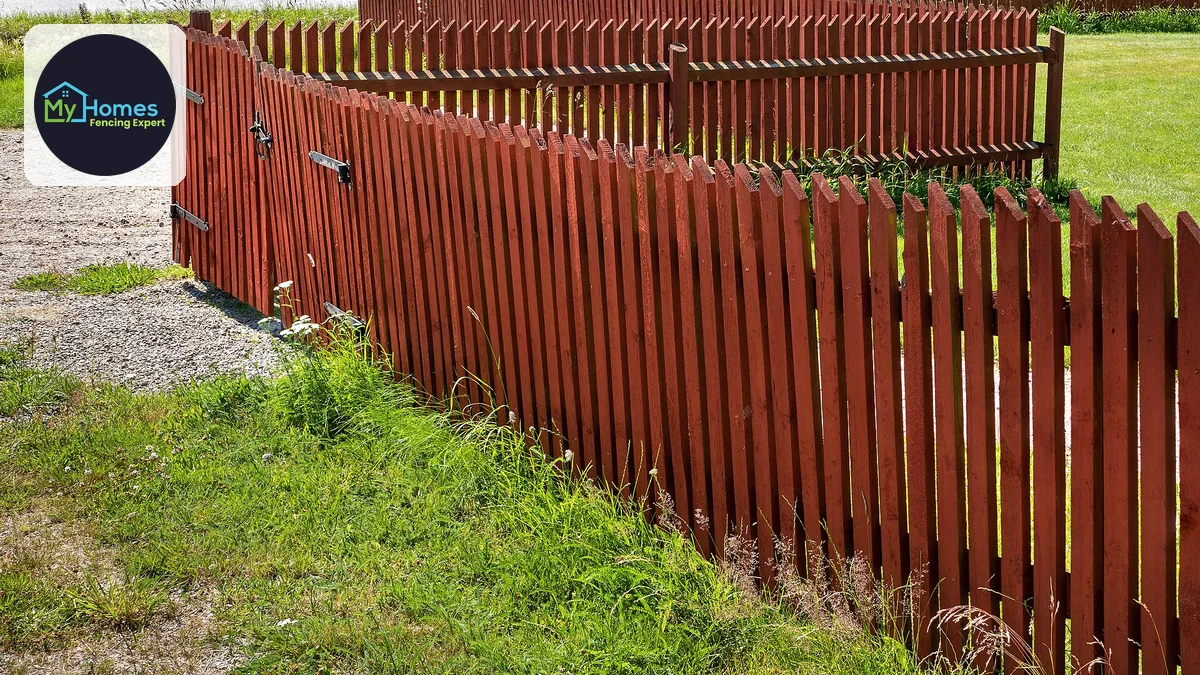
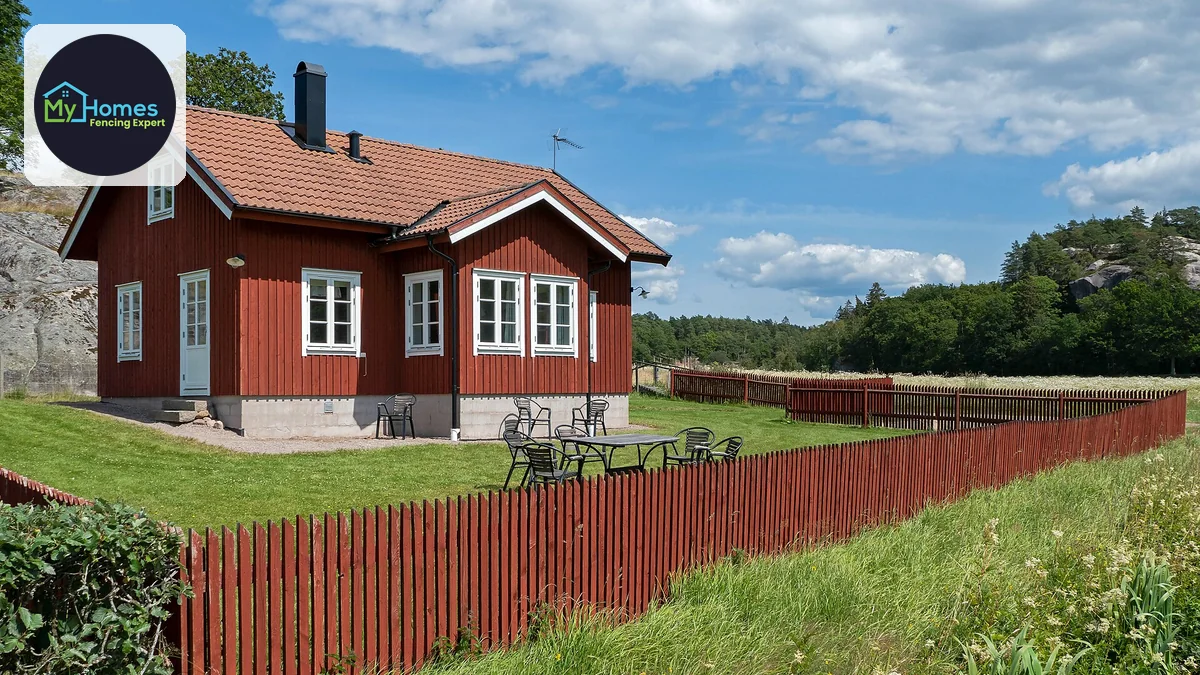
Stepped fencing keeps each panel perfectly level and steps it down the slope, so the fence line looks like a series of level sections descending like stairs. It suits pre-made panels, modern styles and aluminium, and gives a crisp, orderly look — but it leaves triangular gaps under each step where the ground falls away, which can matter for pets or privacy.
Raked (or racked) fencing angles the fence to follow the ground, so the rails run parallel to the slope and the bottom stays close to the ground with no gaps. It's the go-to for timber paling fences on slopes and keeps the base sealed, though on steeper grades it can look busier. Which one's right comes down to your material, the steepness, and whether you need the bottom closed off.
Handling Gaps, Pets and Drainage
The gaps under stepped fencing are the main practical issue on a slope. If you have a dog, small pets, or want full privacy, those triangular openings need addressing — infill panels, a raked base course, gravel boards, or landscaping along the bottom. On a raked fence this is less of a problem because the base follows the ground.
Water is the other slope factor. On sloping Auckland sections, runoff naturally channels along and under fence lines, so drainage and keeping soil off the timber matter even more than on flat ground. Getting the base detail and drainage right is what stops a sloping-site fence rotting or undermining early.
When a Slope Needs Retaining
On steeper or terraced sections, a fence alone isn't always enough — you may need a retaining wall to create a level bench, with the fence on top. That combination brings in engineering and often consent (the combined wall-and-fence height and the wall's load-bearing design both come into play), so it's not a simple fencing job.
Sloping and uneven sites reward experience: post depths vary across the run, footings need to suit the ground, and the stepped-versus-raked call affects both looks and function. We assess the slope on site and recommend the approach — and flag any retaining or consent needs — before quoting, so there are no surprises.
Frequently Asked Questions
Stepped fencing keeps each panel level and drops it down the slope in steps (leaving triangular gaps at the bottom); raked fencing angles the fence to follow the ground so the base stays sealed with no gaps. Stepped suits panels and modern looks; raked suits paling fences and closing off the bottom.
With stepped fencing, the triangular gaps under each step can be closed with infill panels, gravel boards, a raked base course, or landscaping — important if you have pets or want full privacy. A raked fence largely avoids the issue by following the ground.
Not always, but steeper or terraced sites often do — a retaining wall creates a level bench with the fence on top. That combination involves engineering and usually consent, since the combined wall-and-fence height and the wall's load design both come into play.
Ready to start your fencing project?
Get a free, no-obligation quote anywhere in Auckland.
Get a Free QuoteRelated fencing services