Article summary
Stylish front boundary fencing ideas that improve street appeal and add value to your home.
- Category:
- design
- Read time:
- 8 min
- Published:
- 24 May 2025
- Written by:
- My Homes Fencing Expert
Quick answer: a great front fence balances kerb appeal with Auckland's lower front-boundary height limits — usually around 1–1.5m to preserve street sightlines. Lower, more open styles (picket, horizontal slat, or a low masonry-and-slat combo) with a smart matching gate lift a home's street presence and value without the boxed-in look a tall solid fence would give out front. It's the first thing people see, so it's worth getting right.
The front fence sets the tone for the whole property. Here's how to make it work for both looks and the rules.
The Front Fence Has Three Jobs
A rear boundary fence has one job and does it invisibly. A front fence has three, and they pull in different directions, which is why front fences are the hardest to get right and the easiest to get wrong.
The first is to define the property — to make it obvious where public space ends and yours begins. That is territorial signalling, and it works at surprisingly low heights. The second is to welcome, because this is the boundary visitors, couriers and buyers actually cross, and a frontage that reads as hostile costs you something real.
The third is to present. The front boundary is the first thing anyone sees, and it frames every subsequent impression of the house behind it. A tired, leaning front fence makes a well-maintained home look neglected — which is why this is the fence where finish quality matters most per metre spent.
Work With the Height Rules, Not Against Them
Auckland zoning generally holds front and street-facing fences lower than side and rear boundaries, to keep streets open and sightlines clear. There is often a distinction between a solid fence and a substantially open one, with open styles permitted higher — which is genuinely useful if you want presence without a consent application.
Rather than treating that as a constraint to fight, the better front fences lean into it. A lower fence shows off the house and garden instead of hiding them, feels welcoming rather than defensive, and still does the territorial job completely.
If you want privacy as well, get it somewhere else. Solve privacy on the side and rear boundaries, or with targeted screening around the specific area you actually use — a deck, a courtyard, a window sightline. Trying to buy privacy across the frontage runs into the rules, costs a lot, and produces a house that looks like it is hiding.
Open Beats Solid at the Front
There is a second argument for an open frontage that has nothing to do with rules or aesthetics: security. A tall solid front fence keeps people from seeing in, which includes your neighbours and anyone passing who might notice someone at your door who should not be there.
Once an intruder is behind a high solid boundary, that boundary is doing their work for them — privacy to force a window, time to work unobserved, cover to carry things out. Crime prevention thinking consistently favours visually permeable front boundaries for exactly this reason.
Which is convenient, because the open styles the rules prefer, the styles that present best from the street, and the styles that are actually more secure are the same styles. This is one of the rare cases where compliance, appearance and function all point the same way.
The Entry Sequence Is the Design
The front fence is not really one object — it is part of a sequence someone moves through: they arrive, find the gate, open it, follow the path, reach the door. When that sequence is obvious and unbroken, the frontage feels resolved. When any step is ambiguous, it feels awkward regardless of how good the fence is.
So place the pedestrian gate where the path actually goes, not where the fence happens to have a convenient bay. Make sure the house number is genuinely readable from a moving car at night — this is the single most common frontage failure and it costs almost nothing to fix. Put the letterbox where a courier can reach it without opening the gate.
Then match the gate to the fence in material, colour and height. A gate that announces itself as different is only right if you intended it as a feature; a gate that is accidentally different just looks like it was bought separately, which it usually was.
Driveways, Crossings and Sightlines
Where a fence meets a vehicle crossing, visibility stops being an aesthetic question. A solid fence running right up to the driveway edge means reversing out blind onto a footpath used by children and cyclists, and Auckland rules generally require a sightline splay at the crossing for exactly that reason.
Treat it as a design opportunity rather than an imposition. Stepping the fence down in height near the crossing, or switching to an open style for the last stretch, satisfies the requirement and reads as a deliberate transition into the entrance rather than an interruption.
Corner sites carry the same logic at the intersection, usually with a more substantial splay required. And if you are planning an automated driveway gate at any point, run the power conduit while the ground is open — retrofitting it through a finished driveway costs many times more than laying it now.
Handling the Ugly Necessities
Every frontage has to accommodate things nobody wants to look at: wheelie bins, a meter box, a heat pump unit, maybe a hose reel or a recycling crate. Left unplanned, these end up wherever there is space, which is usually the most visible spot, and they undo a lot of what the fence was meant to achieve.
The fix is to design them in. A bin enclosure built as part of the fence run — same material, same colour, same board spacing — reads as architecture rather than storage, and it is one of the highest-value small additions you can make to a frontage.
Position matters as much as concealment. Keep bin storage close enough to the kerb that taking them out is not a chore, because a bin store that is inconvenient simply will not get used. And check what the fence does to meter and service access before building, since a fence that blocks a meter reader creates a small permanent annoyance.
Matching the Style to the House
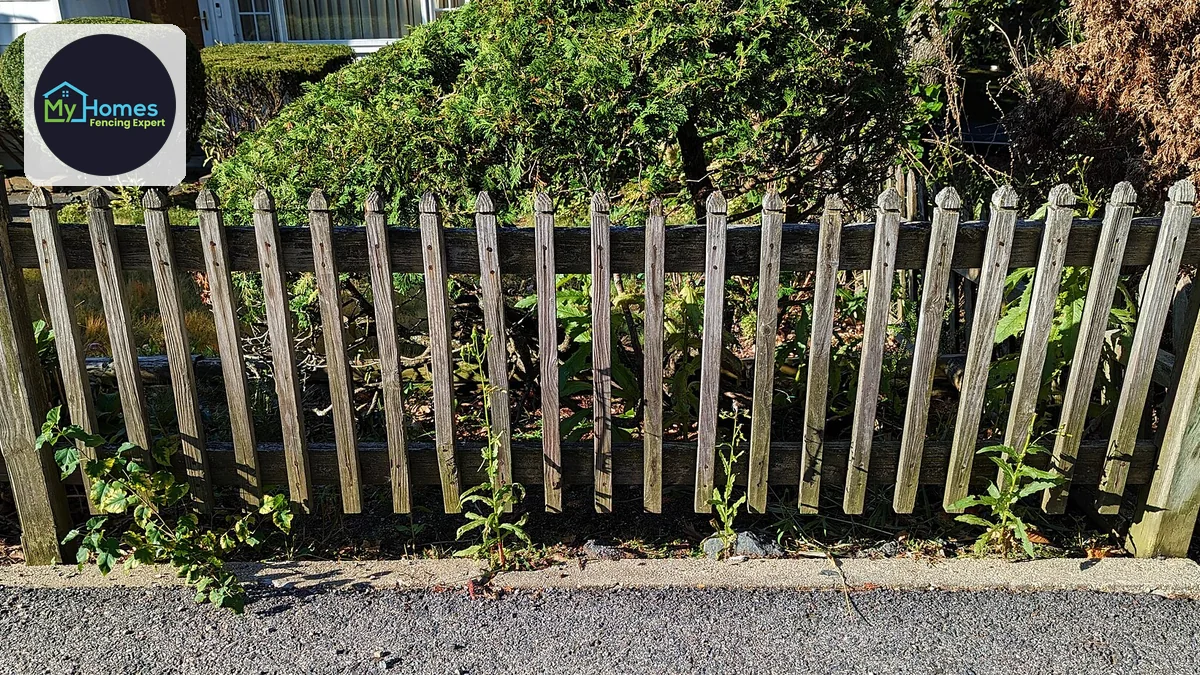
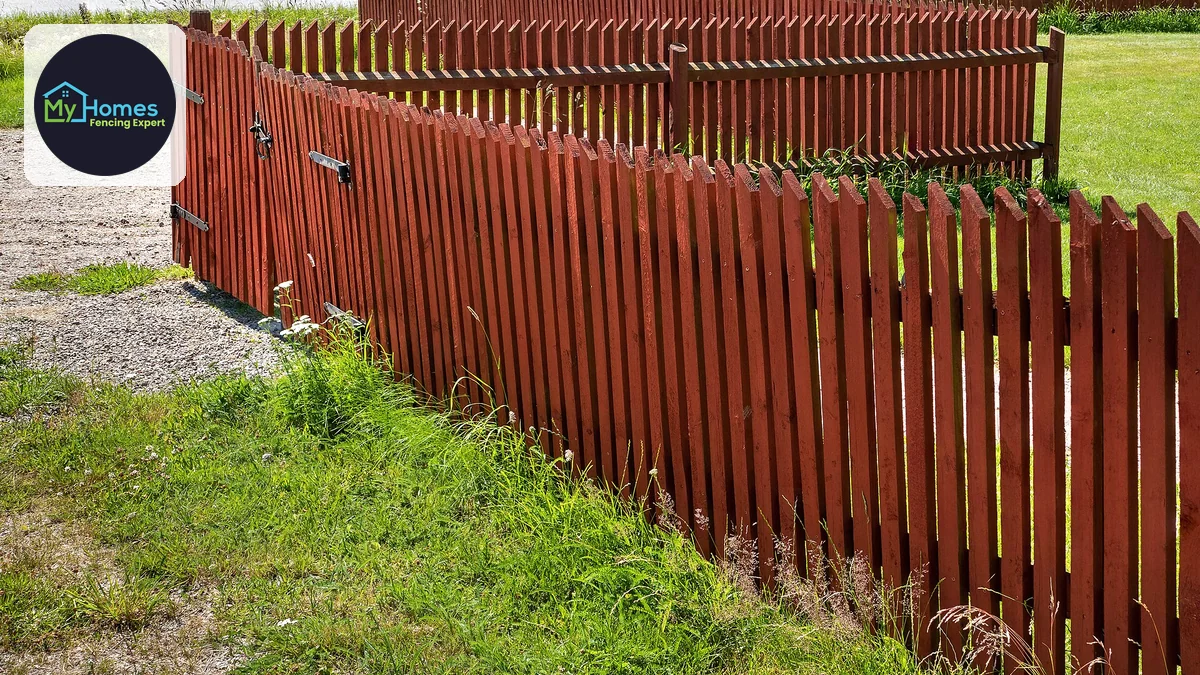
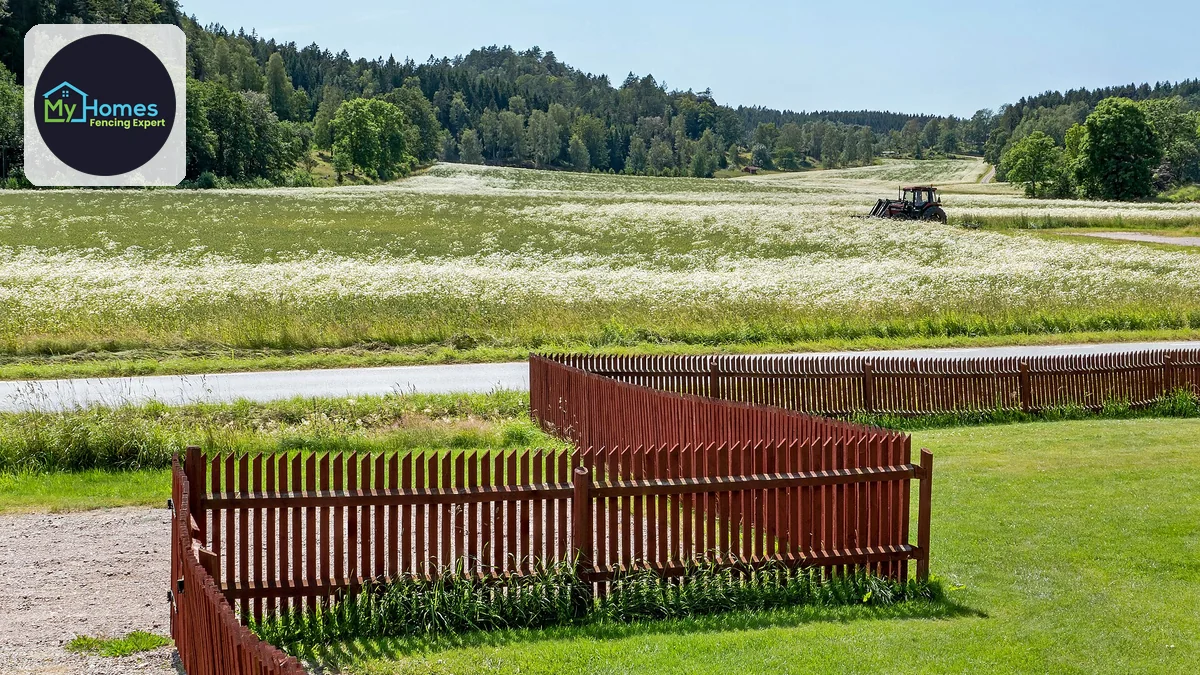
The front fence should look like it belongs to the house behind it, and that is mostly a question of era. A painted picket or a low post-and-rail sits naturally with a villa or bungalow and picks up the vertical rhythm those homes already have. A dark horizontal slat fence on the same house frequently looks imported from somewhere else.
Mid-century and later homes take a wider range — low horizontal slat, spaced vertical battens, or a low rendered or masonry base with a light top all present well. Contemporary builds and townhouses suit the base-course-plus-slat combination particularly well, because it echoes the way those houses already handle materials.
Whatever the era, anchor the colour to something already on the house — the roof, the joinery, the garage door — rather than choosing it in isolation. Because the frontage is so visible, execution matters more here than anywhere else on the property: a straight run, an even top line, consistent spacing and aligned fixings are what make a modest fence read as a considered one. My Homes Fencing Expert checks your zone's height limits and any crossing or corner sightline requirements before designing a frontage. Call 022 315 8987 or book a free, no-obligation consult.
Frequently Asked Questions
Lower than side and rear boundaries, to keep streets and sightlines open — and there's often a distinction between a solid fence and a substantially open one, with open styles permitted higher. The exact figure depends on your zone, so check your address with Auckland Council.
Open, on all three counts. The rules generally favour it, it presents better by showing off the house rather than hiding it, and it's more secure — a tall solid frontage conceals an intruder from neighbours and passing traffic once they're behind it.
Solve it somewhere else. Get privacy on the side and rear boundaries, or with targeted screening around the specific area you use — a deck, courtyard or window sightline. Buying privacy across the whole frontage runs into the rules and looks defensive anyway.
Match the era. Painted picket or low post-and-rail for villas and bungalows, which already have a vertical rhythm. Low horizontal slat or spaced battens for mid-century and later. A low rendered or masonry base with a light top for contemporary builds and townhouses.
Auckland generally requires a sightline splay where a fence meets a vehicle crossing, so you're not reversing out blind onto a footpath. Step the height down or switch to an open style for the last stretch — done deliberately it reads as a transition into the entrance.
Build the enclosure into the fence run — same material, colour and board spacing — so it reads as architecture rather than storage. Keep it close enough to the kerb that using it isn't a chore, and check the fence doesn't block meter or service access.
It's the first thing anyone sees, so it frames every impression of the house behind it — and a tired leaning front fence makes a well-kept home look neglected. Clean lines, a consistent colour anchored to the house, a matching gate and a readable street number do most of the work.
Ready to start your fencing project?
Get a free, no-obligation quote anywhere in Auckland.
Get a Free QuoteRelated fencing services