Article summary
Timber vs PVC fence comparison for NZ homes: looks, maintenance, lifespan, repairs and cost — plus when each material is the right (or wrong) call.
- Category:
- materials
- Read time:
- 4 min
- Published:
- 20 June 2026
- Written by:
- My Homes Fencing Expert
Timber and PVC sit at opposite ends of fencing's oldest trade-off: character that asks for upkeep, versus convenience that arrives pre-finished. The timber vs PVC fence question comes up in a large share of our Auckland quotes, and the right answer genuinely differs from one property — and one owner — to the next.
This comparison plays it straight: where each material wins, where each disappoints, and the handful of questions that settle the choice for your boundary. No favourite here — we install both, and we've repaired both.
Timber vs PVC Fence: The Quick Verdict
In short: choose timber for warmth, flexibility on tricky sites, lower upfront cost and easy repairs — and accept a staining or painting cycle. Choose PVC for a crisp finish that never needs coating, excellent longevity and minimal upkeep — and accept a higher install price and a narrower look.
Owners who enjoy (or at least tolerate) maintenance usually stay happiest with timber. Owners who want the fence to disappear from their to-do list for decades are PVC's natural market.
Everything below is detail on that verdict.
Looks and Street Fit
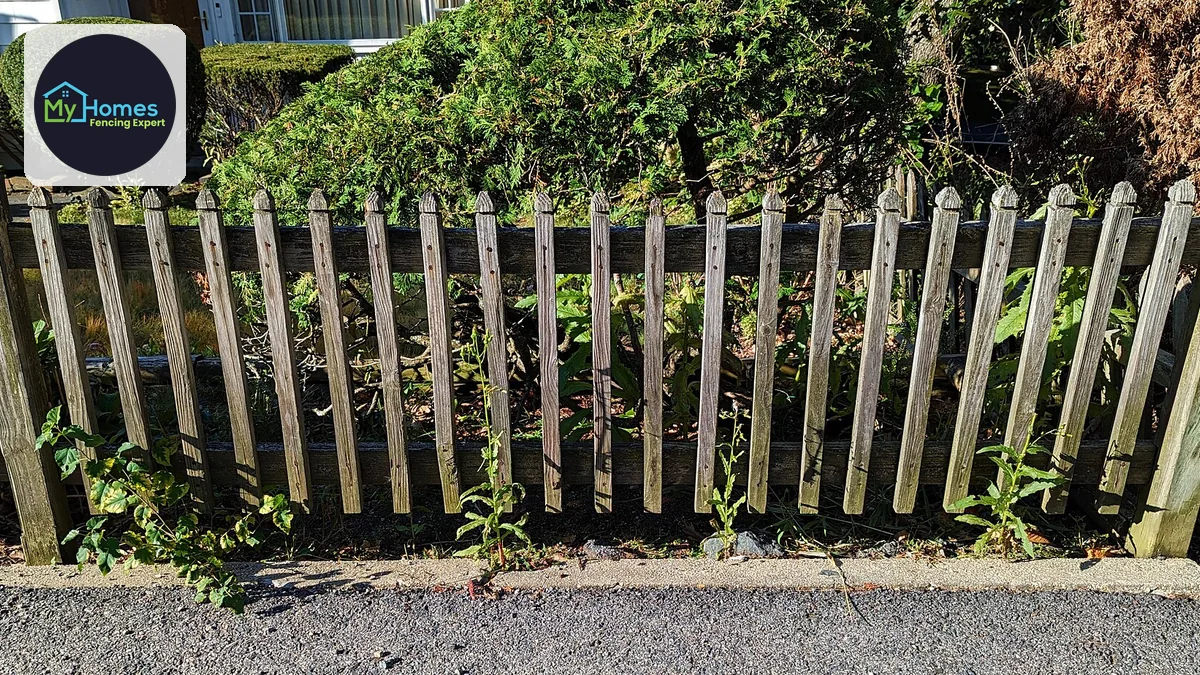
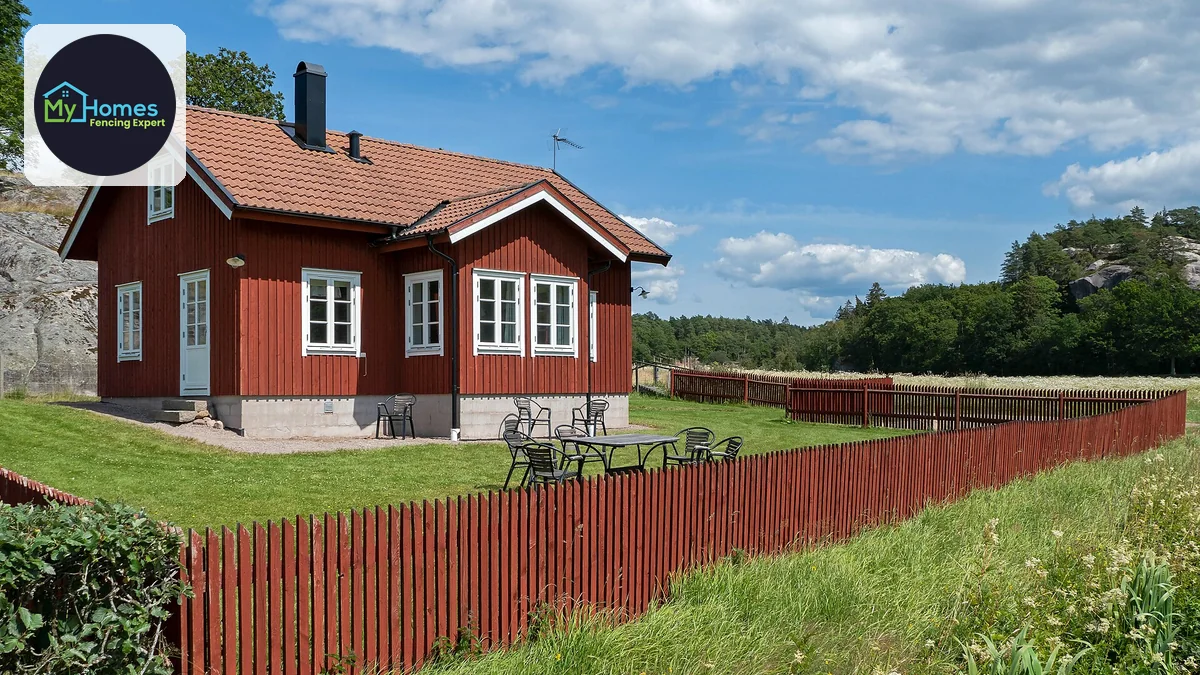
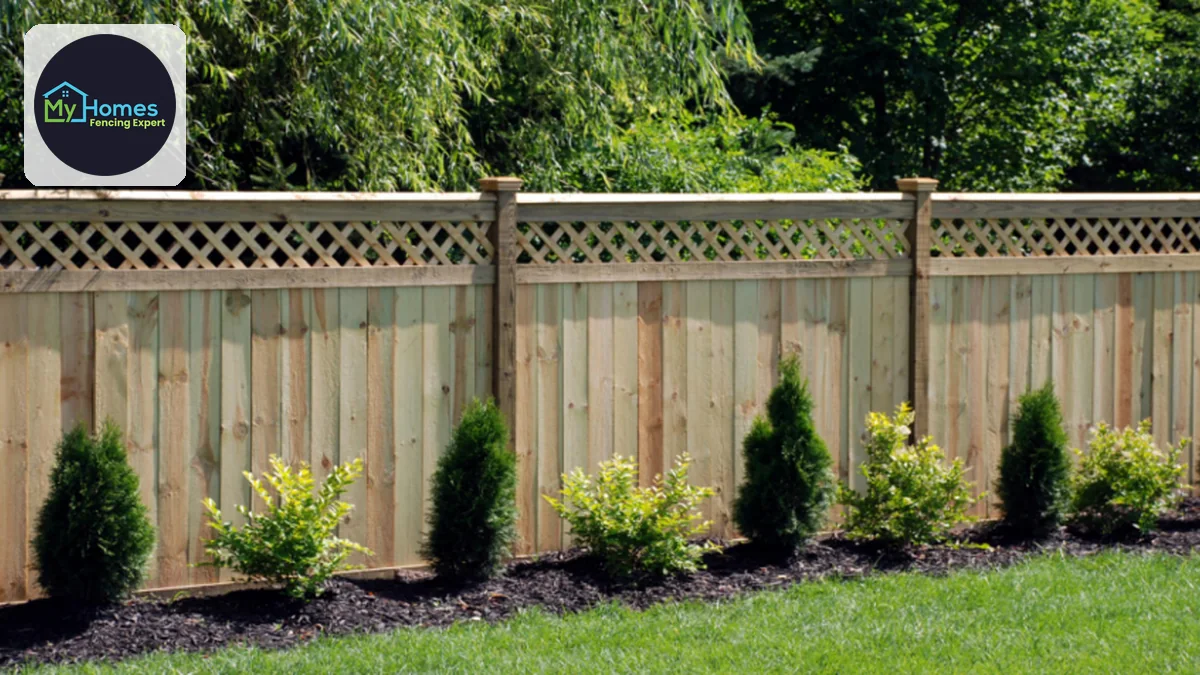
Timber offers the widest visual range in fencing — paling, lapped, batten, shadowbox, picket — and takes any colour you can paint or stain, now or in five years. It suits Auckland's villas and bungalows so naturally that character streets practically expect it.
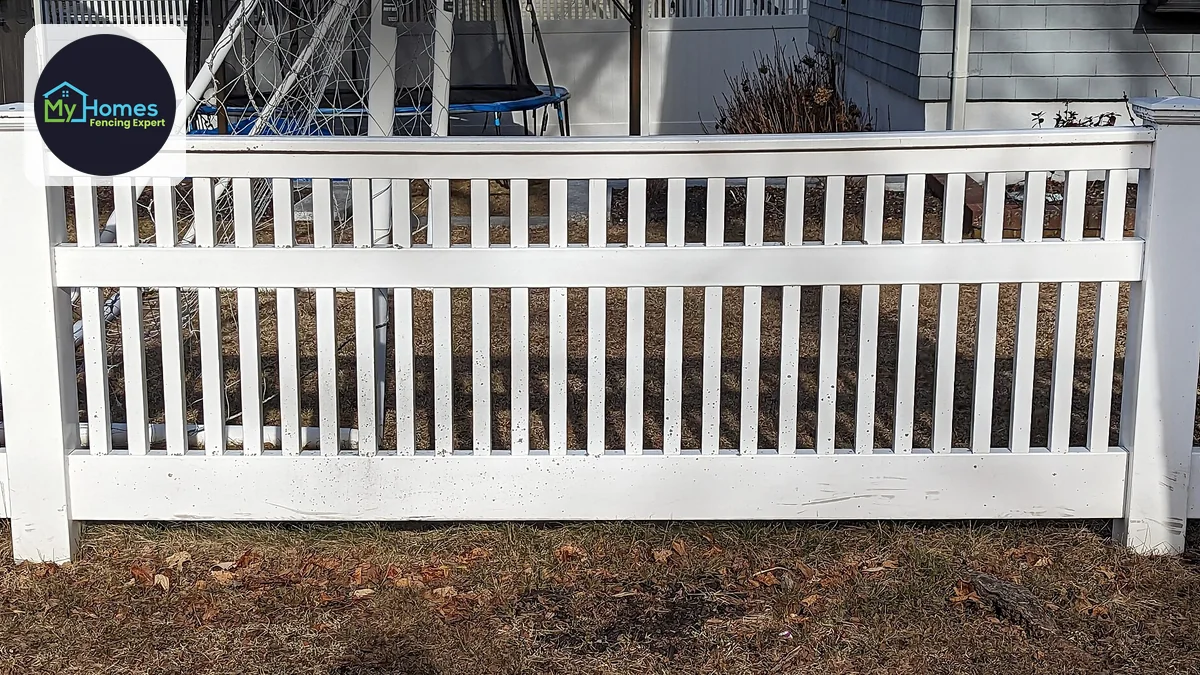
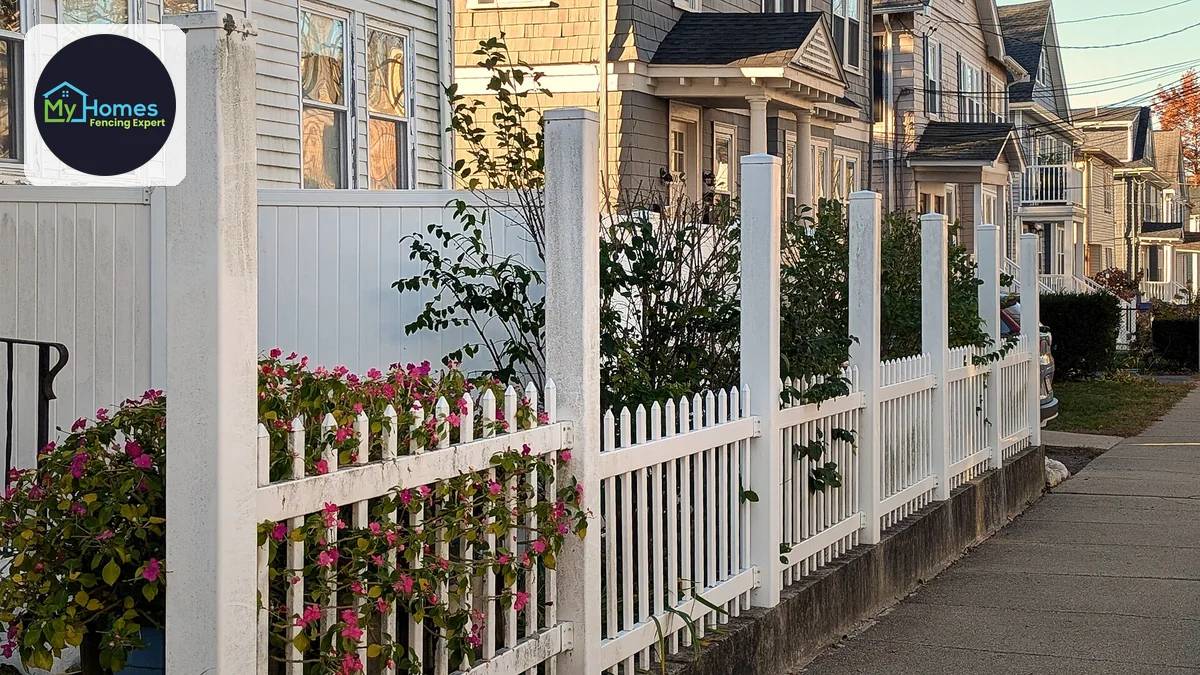
PVC's range is narrower but sharp where it plays: gleaming pickets, clean privacy panels, crisp whites, creams and greys that stay that colour without a brush. On the right frontage it looks permanently just-painted, because effectively it is.
The honest aesthetic note: PVC reads as PVC up close. Some owners never notice; some never stop noticing. Look at an installed fence in person before deciding which camp you're in.
Maintenance: The Defining Difference
Timber's deal is upkeep for longevity: stain or paint on a recurring cycle, wash down mould in Auckland's humidity, and replace the odd paling. Kept to, the deal is good and the fence serves for decades. Skipped, timber greys, cracks and slides toward early failure.
PVC's deal is simpler: wash it. No coating cycle exists, mould wipes off the non-porous surface, and there's no rot, rust or borer to monitor.
Price the cycles honestly when comparing: every future recoat is real money or real weekends that PVC never asks for. Our cost guides for each material put numbers-thinking around this.
Durability, Failure Modes and Repairs
Each material fails differently. Timber's enemies are moisture and time — rot at ground level, warp and split in sun — arriving gradually and repairably: one paling, one rail, one post at a time, which is timber's great virtue.
Quality PVC ignores moisture entirely; its enemies are impact and bargain-grade profiles. A cricket ball or trailer bump can crack a panel, and repairs mean replacing components rather than patching — straightforward if the profile is still available.
Both, properly specified and installed, are decades-long fences in New Zealand conditions. Cheap versions of both are not.
Site Factors That Pick the Winner
Slopes favour timber, which rakes to follow ground gracefully; PVC's rigid panels step, leaving triangular gaps to manage. Tight, irregular lines also favour timber's cut-to-fit nature.
Coastal exposure mildly favours PVC — salt air punishes timber's coating cycle and any steel fixings, while PVC shrugs it off with a hose.
High-sun frontages are a draw: both need quality specification there — UV-stabilised PVC profiles, well-maintained coatings on timber.
Choosing for Your Boundary
Ask three questions. Will you genuinely keep up a coating cycle? Does your site slope or twist? Does the fence's look need to flex with future tastes? Two answers favouring one material usually settles it.
My Homes Fencing Expert installs both across Auckland and will quote your boundary in each, side by side, with the lifetime maintenance picture stated honestly.
Call 022 315 8987 or book a free, no-obligation quote online — bring the three questions, and we'll bring samples of both.
Frequently Asked Questions
Both reach decades when properly specified and built — timber with its coating cycle kept up, PVC with quality UV-stabilised profiles. Neglected timber fails earlier; bargain PVC fails earlier. Specification and care decide it more than the material.
Essentially yes — the surface is non-porous, so mould wipes off and there's no coating to renew. The trade-off is repair style: damage means replacing components rather than patching and painting.
Timber, usually — it rakes to follow the ground without gaps, while rigid PVC panels must step down slopes, leaving triangular gaps underneath to close. On steep or uneven lines, timber's flexibility is a genuine advantage.
It's not designed for it — the factory colour is the finish, which is both the appeal and the constraint. Choose the colour as a permanent decision; timber is the material for owners who repaint with their tastes.
Timber wins on install price; PVC clawback comes from never paying for a coating cycle. Over a couple of decades the totals converge — the real question is whether you'd rather pay upfront or pay in maintenance.
Ready to start your fencing project?
Get a free, no-obligation quote anywhere in Auckland.
Get a Free QuoteRelated fencing services