Article summary
Weighing up cost, maintenance, looks, and lifespan to help you pick between timber and aluminium fencing for your home.
- Category:
- materials
- Read time:
- 8 min
- Published:
- 17 March 2026
- Written by:
- My Homes Fencing Expert
Quick answer: choose timber for lower upfront cost, a natural look and easy privacy; choose aluminium for near-zero maintenance, rust-free durability and coastal or pool sites. Timber is cheaper to install but needs re-staining every few years, while aluminium costs more upfront and then you essentially fit it and forget it. For most inland Auckland boundaries timber wins on value; near the coast or around a pool, aluminium usually pays off.
Both are excellent fences when installed properly — the right pick comes down to your budget, your site and how much maintenance you're willing to do. Here's how they compare on the things that actually matter.
Cost: Upfront Price vs Cost Over the Life
On day-one price, timber almost always wins. A treated-pine paling fence is one of the most affordable solid boundaries you can build in Auckland, and the materials are stocked everywhere. Aluminium is a manufactured system — extruded slats, purpose-made posts and channels — so it costs more to supply and more to install per metre.
The picture changes across twenty or thirty years. Timber's real cost includes a re-coating cycle, occasional paling replacement, and eventually a post or two. Aluminium's ongoing cost is close to a hose and a sponge. Whether that closes the gap depends entirely on whether you'd actually have done the timber maintenance — if a fence was going to be left to grey off regardless, timber's lifetime cost stays low simply because nothing was spent on it.
The comparison people get wrong is quoting them against each other on privacy. A standard aluminium slat fence and a close-boarded timber fence are not the same product. If you need full privacy, price close-board or louvre aluminium against timber, not open slats, or the numbers will mislead you.
How Each One Is Actually Built
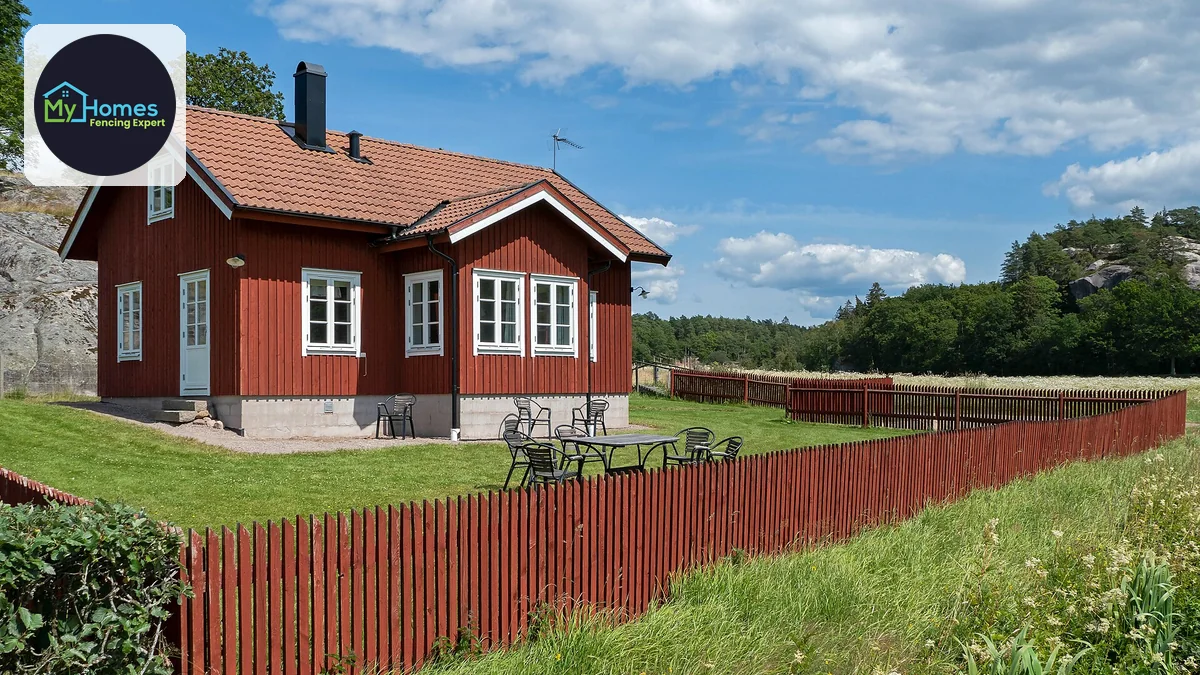
A timber fence is built on site from parts: H4 posts concreted into the ground, H3.2 rails fixed between them, palings nailed or screwed to the rails. Everything is cut to fit as the boundary demands, which is why timber copes so gracefully with awkward angles, curves and irregular slopes. A skilled installer can rake a timber fence to follow the ground without it looking wrong.
An aluminium fence is a kit. Panels or slat infills arrive in set lengths and are captured in channels between posts set at specified centres. That precision is exactly why it looks so clean on a straight run — and exactly why slopes cost more, because rigid panels either step down in increments or need raking-capable systems that carry a premium.
This construction difference explains most of the quote variation you'll see between the two. On a flat, straight, easy-access boundary, aluminium installs fast and quotes predictably. On a steep, curved or tight-access site, timber's cut-to-fit nature is a genuine advantage.
Privacy: Where Timber Still Wins
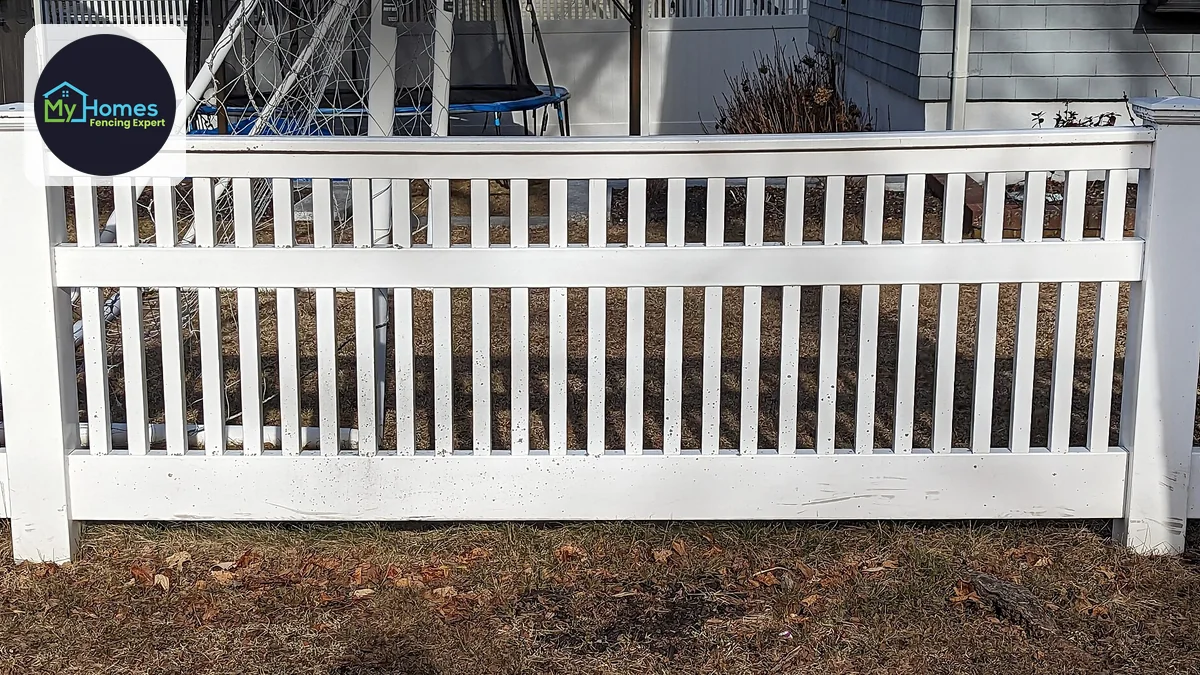
Close-boarded timber palings leave nothing to see through. That's a hard advantage, and it's why timber remains the default for side and rear boundaries where the whole point is not seeing the neighbours' washing line. You can go further with lapped or board-and-batten profiles that eliminate the shrinkage gaps that open up as timber dries.
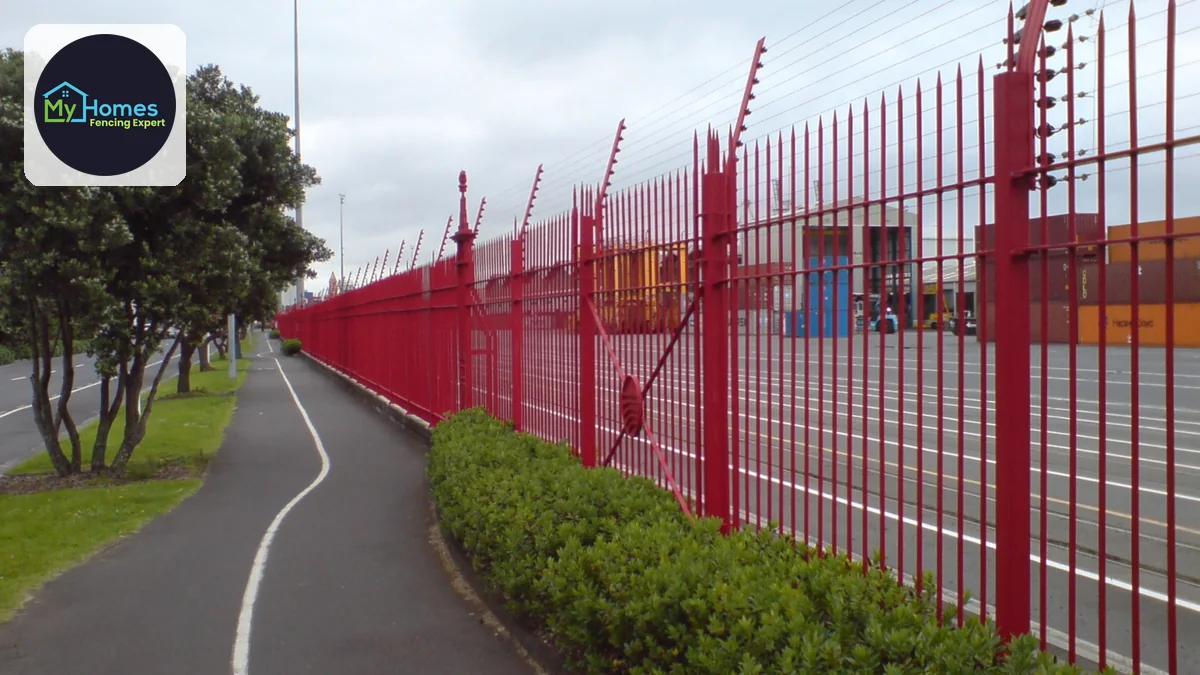
Standard aluminium slat fencing is deliberately not solid — the gaps between slats are part of the look and part of how it handles wind. That filtered privacy suits front boundaries and pool surrounds beautifully, and it's a legal requirement around pools that a barrier not be climbable, which open slats handle well. It's less suited to a boundary where you want a complete visual block.
Aluminium does have solid answers: close-board profiles with minimal gaps, and louvre systems where angled blades block the view from the street while letting light and air through. Both work well. Both cost more than open slat, which is the honest caveat.
Maintenance: The Honest Comparison
Timber maintenance is not optional if you want the fence to reach its full life, but it's also not onerous. Wash it down when it gets grubby, keep soil and garden beds from banking up against the palings, clear the base so it can dry after rain, and re-coat on a sensible cycle. The failure cases we get called to are almost always fences where none of that happened for a decade.
Aluminium maintenance is genuinely close to nothing. Wash off salt and grime, check the gate hardware occasionally, and that's the list. The powder-coat is baked on, not brushed on, so there's no coating for you to fall behind on. Deep scratches that reach bare metal are worth touching up, but they're cosmetic rather than structural in the way a rotting timber post is.
Where this matters most is access. A boundary you can walk along with a brush is easy to maintain. A boundary behind a hedge, on a bank, or against a neighbour's structure where you'd need permission to reach the far side is not — and that's a strong argument for putting the low-maintenance material exactly there.
Coastal, Pool and Exposed Sites
Salt air is where the comparison stops being close. Aluminium doesn't rust, and on a boundary that catches spray from the Hauraki Gulf or the west coast, that ends the discussion for most owners. Timber survives near the sea, but it weathers faster, the coating cycle shortens, and the fixings become a genuine consideration rather than an afterthought.
Around a pool, aluminium's advantages compound. Pool barriers face constant splash, chlorine and sunscreen residue, they must meet non-climbable and gap requirements, and they need self-closing, self-latching gate hardware that keeps working. A powder-coated aluminium pool fence handles all of that without a maintenance schedule, which is why it's overwhelmingly the standard.
On exposed, windy sites the calculation is different again and is more about engineering than material. A solid timber fence is a sail and needs post spacing and footings sized for the load. A slatted aluminium fence lets wind through, which reduces that load considerably — a real advantage on ridgelines and open western sections.
Repairs, Damage and Year Twelve
Timber ages visibly and repairs cheaply. A cracked paling is a five-minute fix with a board from any yard. A sagging rail can be re-fixed. Even a failed post can be replaced without touching the rest of the fence. Nothing about a timber repair requires matching a proprietary system, which matters more than people expect a decade later.
Aluminium ages almost invisibly and repairs less casually. It doesn't rot or sag, so the common timber failures simply don't occur — but if a car reverses into a panel, you need a replacement in the same profile and colour. Keep a note of the system and colour installed. Reputable suppliers carry ranges for years, but a discontinued budget profile can be genuinely awkward to match.
Both are long-lived when built properly. Timber's life is a function of treatment and upkeep; aluminium's is a function of the coating quality and the fixings not being the weak link. Neither one is fragile.
Choosing for Your Auckland Section
The short version: pick timber for maximum privacy at the lowest upfront cost on a sheltered inland boundary you can easily get to. Pick aluminium for coastal exposure, pool surrounds, hard-to-access runs, windy sites, and anywhere you want the fence to look after itself.
For a lot of Auckland properties the best answer uses both — an aluminium or slat feature at the street where it's seen and exposed, timber down the side boundaries where privacy and budget matter more. Done with consistent colour and height, that reads as a deliberate design decision rather than a compromise.
My Homes Fencing Expert installs both and will quote them side by side on your actual boundary, including the privacy-matched comparison rather than the flattering one. Call 022 315 8987 or book a free, no-obligation site quote.
Frequently Asked Questions
Yes, upfront — aluminium costs more to supply and install than a treated-pine timber fence. Over the fence's life the gap narrows because aluminium needs no re-coating, though that only holds if you would genuinely have maintained the timber.
Aluminium, generally, because it removes rot and rust as failure modes entirely. Well-built timber with H4 in-ground posts and regular re-coating lasts a long time too — but its lifespan depends on maintenance in a way aluminium's does not, and it shortens noticeably in salt air.
Standard slat aluminium leaves deliberate gaps, so it's less private than close-boarded timber. Close-board and louvre aluminium profiles give strong privacy while keeping the low-maintenance benefit, at a higher price than open slat. Compare those against timber, not the open-slat version.
Timber, usually. It's cut to fit on site, so it can rake to follow the ground smoothly. Rigid aluminium panels step down a slope in increments or need raking-capable systems that carry a premium, so slopes are where timber's cost advantage widens.
For most Auckland pools, yes. Aluminium shrugs off splash, chlorine and sunscreen residue, doesn't rust, and its open slats suit the non-climbable requirements pool barriers must meet. Any pool fence still has to comply in height, gaps and self-closing, self-latching gate hardware regardless of material.
Yes, and it's often the most sensible use of a budget — aluminium on exposed, coastal or hard-to-reach runs, timber on sheltered boundaries where privacy matters and access is easy. Keep the colour and height consistent so it reads as intentional.
Timber. A damaged paling or rail is replaced with stock from any yard, and even a failed post can be swapped without disturbing the rest of the fence. Aluminium rarely needs repair, but when it does you need the matching profile and colour — so note what was installed.
Ready to start your fencing project?
Get a free, no-obligation quote anywhere in Auckland.
Get a Free QuoteRelated fencing services