Article summary
Fence paling types explained: sizes, profiles, square vs lapped vs board-on-board, and how paling choice changes privacy, looks and price.
- Category:
- materials
- Read time:
- 4 min
- Published:
- 18 July 2026
- Written by:
- My Homes Fencing Expert
Palings are the pixels of a timber fence — small, repeated, and collectively the whole picture. Yet most people order 'a paling fence' without knowing the fence paling types on offer, then discover a year later that the gaps they can suddenly see through were a specification choice, not a defect.
This guide covers the paling decisions that matter: common sizes and finishes, the three ways palings get arranged — butted, lapped and board-on-board — what each does to privacy and price, and the shrinkage fact of life that explains half of it.
Fence Paling Types at a Glance
In short: palings vary in width, thickness, surface finish and — most importantly — arrangement. Square-edge palings butted side by side build the economical standard; lapped palings overlap to keep gaps screened; board-on-board alternates palings across the rails for two-sided looks and airflow.
Arrangement is the privacy decision, size is mostly a looks-and-robustness decision, and finish (rough sawn versus dressed) is a texture-and-coating decision.
All of it sits on the same H3.2 treated pine our grades guide covers — the paling spec rides on top of the treatment spec, never instead of it.
Sizes and Surface: The Board Itself
Common paling widths sit around the 100–150mm range, with thickness varying by product tier — thicker boards resist warp, cup and the boot-through-the-fence test better, and cost accordingly. Very wide boards look generous but move more with moisture.
Rough sawn is the fencing default: textured, economical, and it drinks stain deeply for long-lasting colour. Dressed (smooth) palings read more refined, suit painted finishes, and show their best on feature runs.
Whatever the board, expect natural variation — knots, grain, slight bows. Good builders cull the worst and place the rest; timber is a material, not a print run.
Butted, Lapped, Board-on-Board: The Arrangement Decision
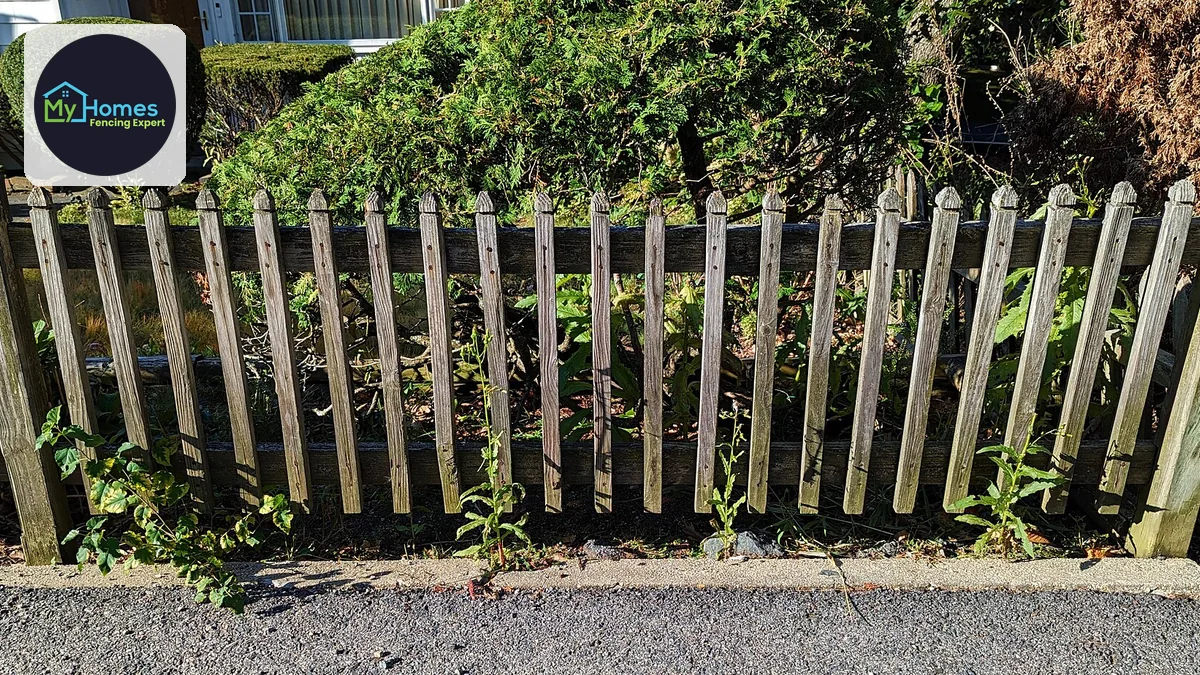
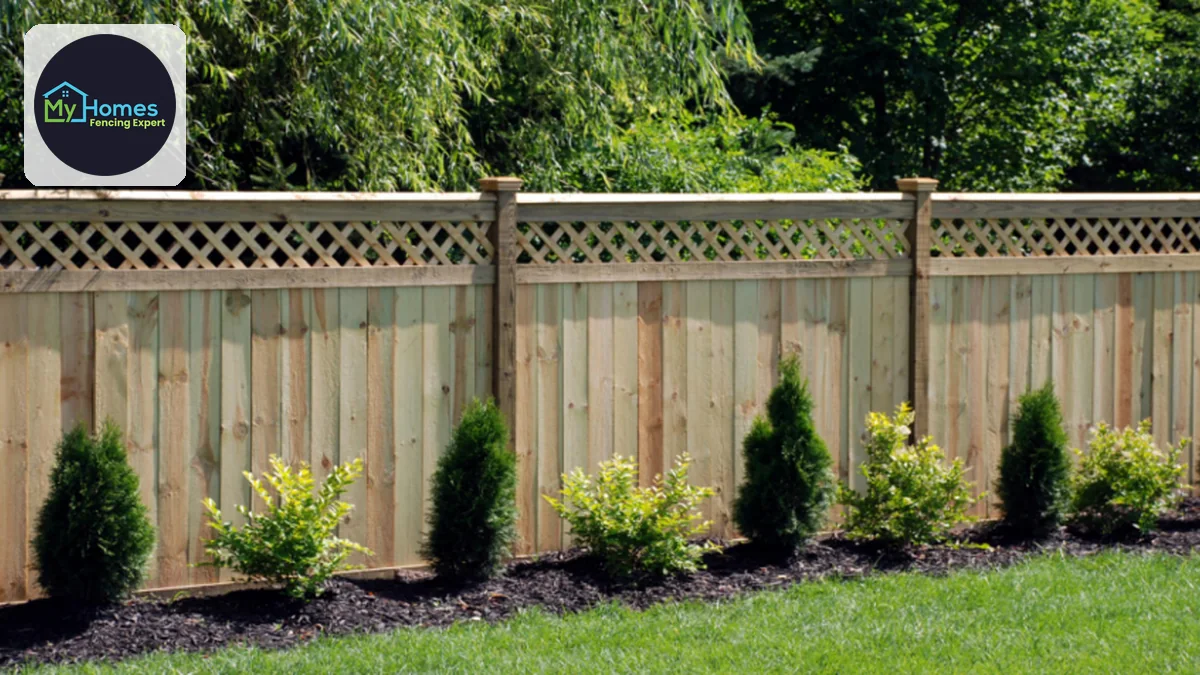
Square-edge butted palings — boards side by side, touching — are the economical standard, with one honest caveat below about gaps. For fences where occasional slim gaps don't matter, it's the right-priced answer.
Lapped palings overlap each neighbour by a margin, so when boards shrink the overlap keeps sightlines closed — the specification our privacy guides keep recommending, at a modest material premium.
Board-on-board (shadowbox) fixes palings alternately on each side of the rails: identical from both faces — diplomatic on boundaries — visually solid from any normal angle, and breathable in wind, which our windy-sites guide rates highly.
The Shrinkage Fact of Life
New fence timber carries moisture, and its first summers dry it out — boards shrink across their width, and butted palings open slim, daylight-showing gaps. This isn't a build fault; it's what timber does, and it's exactly the problem lapping exists to solve.
The practical rule: if the fence's job description includes privacy, specify lapped or board-on-board from the start. Retro-fixing gaps in a butted fence means adding cover battens or accepting the view.
Shrinkage also argues for quality fixings driven properly — boards that move want fasteners that hold, which is the fixings guide's territory.
What Paling Choice Does to the Price
Butted square-edge is the baseline. Lapping adds boards per metre (the overlap is extra timber) and a little layout care. Board-on-board adds the most — more palings again, fixed from both sides — and buys the two-faced look and airflow in return.
Thicker and dressed boards step the material cost up independently of arrangement; capping rails finish the top and protect end grain for a modest add that earns its keep on weather exposure.
On a quote, the paling line should name width, thickness, finish and arrangement. 'Paling fence' alone is a price without a fence attached.
Specify the Pixels, Get the Picture
My Homes Fencing Expert builds every paling arrangement across Auckland and writes the full paling spec into each quote — so the fence that arrives matches the privacy and look you actually ordered.
Call 022 315 8987 or book a free, no-obligation quote online; tell us whether daylight through the fence would bother you, and we'll spec the arrangement from that one answer.
Frequently Asked Questions
Butted palings sit side by side touching — economical, but timber shrinkage opens slim gaps over the first summers. Lapped palings overlap each neighbour, so shrinkage stays screened. If privacy matters, lapping is the specification.
Board shrinkage — new timber dries and narrows, opening gaps between butted palings. It's normal timber behaviour, not a build defect; lapped or board-on-board arrangements are how fences are specified to prevent it.
Palings fixed alternately on each side of the rails — identical from both faces, visually solid from normal angles, and breathable in wind. It costs the most of the three arrangements and suits boundaries and exposed sites.
On fences that take knocks, weather exposure or long sightlines, yes — thicker boards resist warping, cupping and impact noticeably better. On sheltered low-stakes runs, standard thickness with good fixings serves fine.
Rough sawn is the economical default and takes stain deeply; dressed boards suit painted, refined looks on feature runs. It's a texture-and-finish decision more than a durability one — treatment grade does the protecting either way.
Ready to start your fencing project?
Get a free, no-obligation quote anywhere in Auckland.
Get a Free QuoteRelated fencing services