Article summary
SmartWall vs block wall: cost, build time, looks and structure compared — and when a modular wall beats masonry on an Auckland boundary.
- Category:
- materials
- Read time:
- 4 min
- Published:
- 22 July 2026
- Written by:
- My Homes Fencing Expert
Both end up looking like a solid rendered wall along your boundary — which is exactly why the SmartWall vs block wall comparison trips people up. One is masonry built block by block by a sequence of trades; the other is a modular panel system installed in days. Same destination, very different journeys, and very different invoices.
If your brief says solid wall — for privacy, noise, or the rendered look — this is the comparison that decides how you get there. Here's where the modular system genuinely beats masonry, the one job it can never do, and how to pick for your boundary.
SmartWall vs Block Wall: The Short Answer
In short: SmartWall delivers the rendered solid-wall look at a meaningfully lower cost and in a fraction of the build time, making it the smarter buy for most boundary walls. Concrete block wins where the wall must do structural work — retaining ground, carrying loads — which is territory a fencing wall system doesn't enter.
Both block sightlines completely and both carry the mass that cuts noise, so on the headline jobs of a boundary wall they're equals.
The decision therefore usually comes down to three things: what the wall must hold up, how long you can live with a construction site, and the budget.
Build Time: Days vs a Trade Sequence
A block wall is a project with stages: footings excavated and poured, blocklaying, core filling, then plastering and painting — multiple trades, curing times between them, and weeks on the calendar for a decent run.
SmartWall compresses that to a fencing timeline: posts set in engineered footings, panels installed between them, finish applied — typically days, with one crew.
That difference isn't just convenience. Trade time is money, and the shorter sequence is most of the price gap between the two products.
Cost: Where the Gap Comes From
Masonry's price is built from labour-heavy stages — excavation, structural footings sized for the wall's weight, skilled blocklaying, plastering. Materials are the smaller share; the trades are the bill.
SmartWall's modular panels remove most of those stages, which is why it typically lands well under a comparable block wall — while sitting above ordinary fencing, as our SmartWall cost guide details.
Like-for-like matters when comparing quotes: same height, same finish standard, same length. A painted block wall and a finished SmartWall of equal height is the fair contest.
The Job Only Block Can Do
Retaining is the bright line. A properly engineered block wall can hold back ground — terraces, level changes, driveways cut into slopes. SmartWall is a wall and fencing system, not a retaining structure, and no honest installer will blur that.
Boundaries with level changes therefore often end up hybrid: an engineered retaining wall doing the ground work, with SmartWall or fencing above it for height and privacy.
Structural walls and retaining can carry consent and engineering requirements that vary by situation — confirm current Auckland Council guidance before designing anything that holds ground.
Looks, Longevity and Living With Each
Finished well, both read as rendered masonry from the street — paintable any colour, crisp and architectural. Block offers a little more sculptural freedom (curves, piers, integrated letterboxes); SmartWall offers consistency and speed.
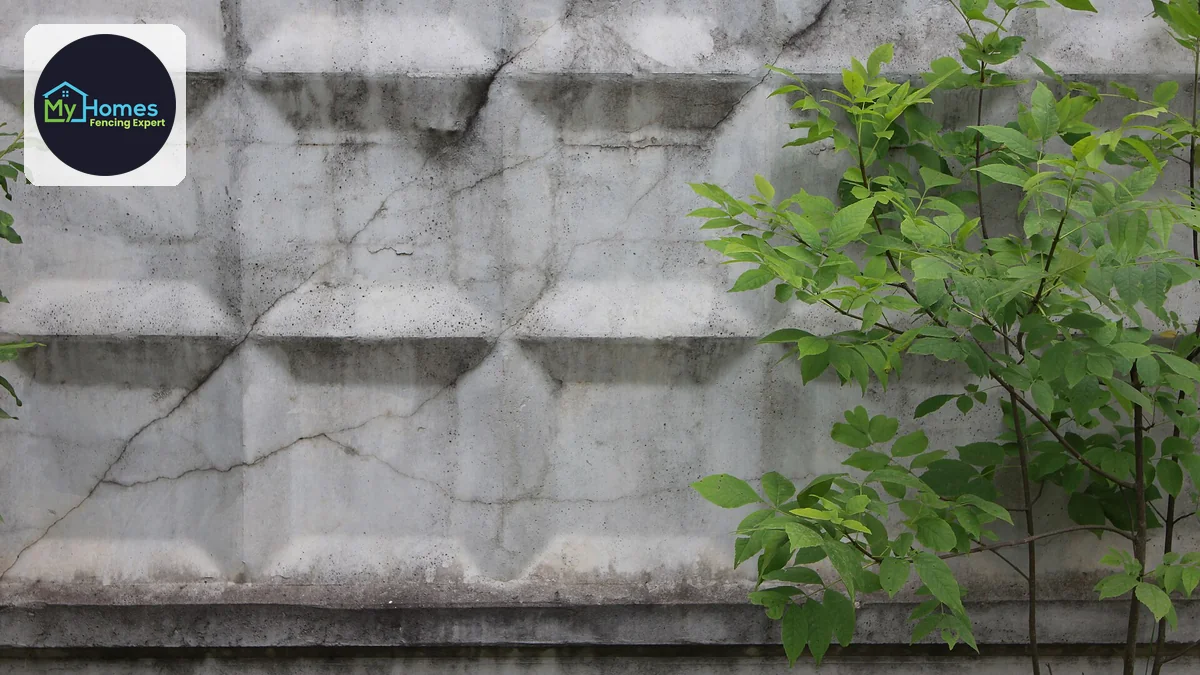
Both are decades-long products. Block's risks are cracking with ground movement and plaster maintenance; SmartWall's panels sit on engineered posts designed for wind and movement, with finish care similar to any rendered surface.
Noise performance — often the reason solid walls get chosen at all — is a function of mass and height, and both deliver it convincingly beside busy roads.
Choosing for Your Boundary
No retaining, rendered look wanted, budget and timeline real: SmartWall, comfortably. Ground to hold, structural complexity, or sculptural masonry ambitions: block, with proper engineering. Level-change boundaries: retaining below, modular above.
My Homes Fencing Expert installs SmartWall across Auckland and will tell you plainly when your boundary is actually a retaining job in disguise — before anyone quotes the wrong product.
Call 022 315 8987 or book a free, no-obligation site assessment online; the ground answers half this comparison before we've measured anything.
Frequently Asked Questions
Typically yes, and substantially — the modular system removes the excavation, blocklaying, plastering trade sequence that makes up most of masonry's cost, while delivering a comparable rendered-wall look.
It runs on a fencing timeline — usually days with one crew — versus the weeks a block wall needs for footings, laying, filling, plastering and curing between stages.
No — it's a boundary wall and fencing system, not a ground-holding structure. Level changes need an engineered retaining wall, with SmartWall or fencing built above it. That's the one job block (or other engineered retaining) keeps outright.
Both perform well — noise reduction comes from mass and height, which both systems carry. Beside busy roads, either is a genuine step up from any open fence.
Height rules apply to all boundary structures and solid walls can face different thresholds than open fences; retaining adds engineering and consent questions of its own. Rules vary by property, so confirm current Auckland Council guidance before finalising a design.
Ready to start your fencing project?
Get a free, no-obligation quote anywhere in Auckland.
Get a Free QuoteRelated fencing services