Article summary
Fence rebuild cost in Auckland depends on removal, disposal, materials and access. Here's how rebuild pricing works — and where you can save.
- Category:
- cost
- Read time:
- 5 min
- Published:
- 12 May 2026
- Written by:
- My Homes Fencing Expert
A fence rebuild is a different project from a brand-new fence on a bare boundary — and it's priced differently too. Fence rebuild cost in Auckland includes work a new build never sees: demolishing the old fence, breaking out concrete footings, carting away the debris, and only then starting construction.
If your quotes for replacing a tired fence seem higher than the new-fence prices you've researched, this is usually why. Here's how rebuild pricing breaks down, which decisions move the number most, and the legitimate ways to bring the cost in.
What Does a Fence Rebuild Cost in Auckland?
In short: a rebuild costs what a new fence costs, plus removal and disposal of the old one, with the total shaped by fence length, the new material and height you choose, ground conditions and access.
The removal portion is genuine work. An old timber fence with concreted posts every couple of metres represents hours of demolition and a trailer-load or more of mixed waste — timber, concrete and steel fixings — that must be disposed of properly.
Once the line is clear, the rebuild itself prices like new construction. That's why rebuild quotes are usually presented in two parts, and why you should expect both parts to be itemised.
Removal and Disposal: The First Cost Block
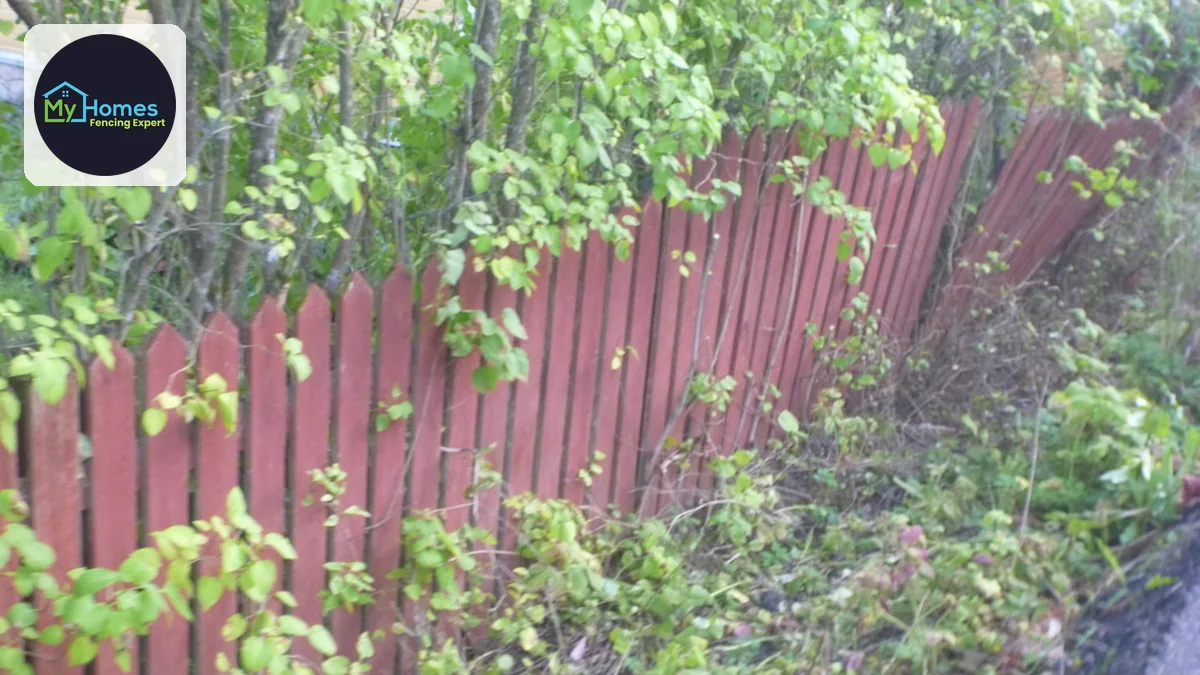
Demolition time depends on what's there. A leaning paling fence comes apart quickly; a heavily built fence with capping, lattice and oversized footings takes much longer. Concrete footings are the wildcard — some lift out, others need breaking up in the ground.
Disposal costs are real and rising. Treated timber can't be burned or casually dumped, and mixed demolition waste attracts transfer station fees by weight. A long boundary generates more debris than most people picture.
If you're able and willing, doing some demolition yourself can save money — but discuss it with your fencer first, since a half-removed fence with footings still in the ground can actually slow the rebuild.
Reusing Posts vs Starting Fresh
Occasionally existing posts are sound enough to reuse, which saves digging, concrete and post material. It's worth assessing — but be realistic. Posts age at ground level where you can't see, and Auckland's wet clay is hard on buried timber.
Building a new fence on compromised posts is false economy of the worst kind: you pay for new rails and palings, then the structure fails underneath them within a few years.
Our rule is simple: we'll reuse posts when they genuinely pass inspection, and we'll show you why when they don't. Steel posts in good condition are more often reusable than timber ones.
Material Choice Resets the Budget
A rebuild is your once-in-decades chance to change material, and the choice resets the construction half of the budget. Like-for-like timber is usually the most economical path; stepping up to aluminium, PVC or a SmartWall-style solid fence changes both the price and the decades that follow.
Height changes matter too. Many rebuilds upgrade a low 1.2-metre fence to a 1.8-metre privacy fence, which increases material and labour beyond the original footprint — and is worth checking against height rules for your boundary before committing.
Think about the next twenty years, not just matching what was there. The demolition cost is the same either way; the construction choice is where the long-term value gets decided.
Slope, Access and Long Runs
Everything that affects new-fence pricing affects rebuilds: sloping ground needing stepped or raked construction, clay or rock digging, and access. Access cuts twice on a rebuild — debris has to come out the same narrow path the new materials go in.
Long runs work in your favour. Setup, travel and disposal logistics spread across more metres, so the per-metre rate on a sixty-metre boundary rebuild is typically better than on a ten-metre section.
If only part of your fence has failed, a partial rebuild tied properly into the sound sections can be a smart middle path — we'll tell you honestly whether the remaining fence justifies it.
Sharing Rebuild Costs on a Boundary
When the fence sits on a shared boundary, New Zealand's Fencing Act 1978 generally provides for neighbours to contribute to an adequate replacement fence. Many rebuilds are funded fifty-fifty by simple agreement over the fence line itself.
The formal process has specific steps and exceptions — and upgrades beyond an adequate standard are usually the choice (and cost) of whoever wants them — so confirm how the rules apply to your situation before assuming a split.
Practical advice: talk to your neighbour before getting quotes, share the written quote openly, and get the agreement in writing. Most fence cost disputes start with assumptions, not disagreements.
Get a Clear Rebuild Quote
My Homes Fencing Expert handles complete fence rebuilds across Auckland — demolition, disposal and new construction in any material we install, quoted in one itemised document so you can see exactly where the money goes.
Call 022 315 8987 or request a free, no-obligation rebuild quote online. If repair is genuinely the better call for your fence, we'll quote that instead.
Frequently Asked Questions
Because it includes demolition, breaking out old concrete footings and disposing of the debris before construction starts. The new fence itself prices the same — the old fence is the extra cost.
Sometimes, if they pass inspection at and below ground level — steel posts more often than timber. Building on compromised posts wastes the entire rebuild, so we only reuse posts we'd stand behind.
On a shared boundary, the Fencing Act 1978 generally provides for contribution to an adequate fence, and many neighbours simply agree a split. There are formal steps and exceptions, so confirm how it applies to your situation — and get any agreement in writing.
Most residential rebuilds run from a couple of days to around a week depending on length, access and weather — demolition and disposal first, then construction. We confirm a realistic timeframe with your quote.
It should be — ask. Our rebuild quotes itemise removal and disposal so there's no ambiguity. Treated timber and concrete carry genuine disposal fees, and a quote that ignores them usually finds them later.
Ready to start your fencing project?
Get a free, no-obligation quote anywhere in Auckland.
Get a Free QuoteRelated fencing services