Article summary
Sloping section fence cost: why slopes add to fencing prices in Auckland — stepped vs raked builds, extra cutting, footings and retaining questions.
- Category:
- cost
- Read time:
- 5 min
- Published:
- 5 June 2026
- Written by:
- My Homes Fencing Expert
Flat sections are the exception in Auckland, not the rule — from Glenfield's gullies to Titirangi's bush slopes, a huge share of the region's fencing goes in on ground that falls away. So sloping section fence cost is one of the most practical pricing questions a homeowner here can ask, and the premium over flat-ground fencing is real, not padding.
The extra money buys extra geometry. Every metre of a sloped fence involves decisions and cutting that a flat fence never sees. Here's exactly where the additional cost comes from, how stepped and raked methods compare, and when a slope quietly turns a fencing project into a retaining question.
Why Does a Sloping Section Fence Cost More?
In short: slopes add measuring, cutting and fitting time to every panel or bay, often require longer posts and more concrete on the downhill side, complicate access and material handling, and sometimes introduce retaining work that's a separate project entirely.
On flat ground, a fence repeats itself — same post height, same rail line, same palings, bay after bay. On a slope, every bay is slightly different, and that difference is labour.
The steeper and more uneven the ground, the bigger the premium. A gentle, consistent fall costs a little more; a steep, undulating boundary costs meaningfully more.
Stepped vs Raked: Two Methods, Two Price Profiles
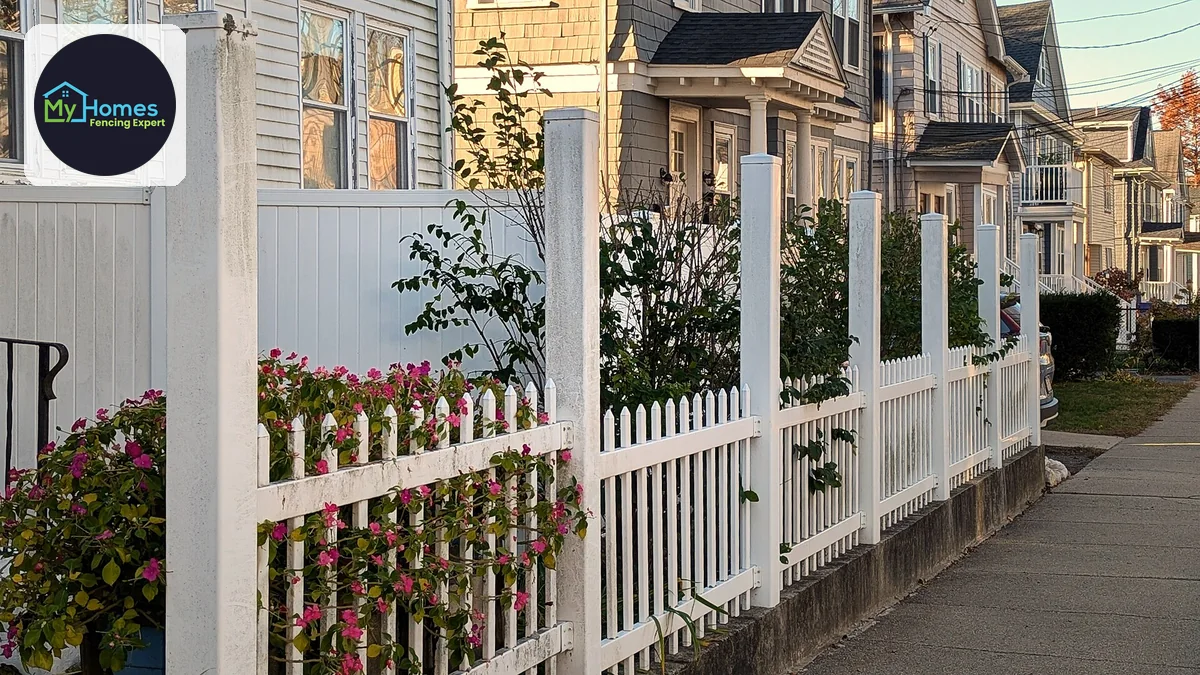
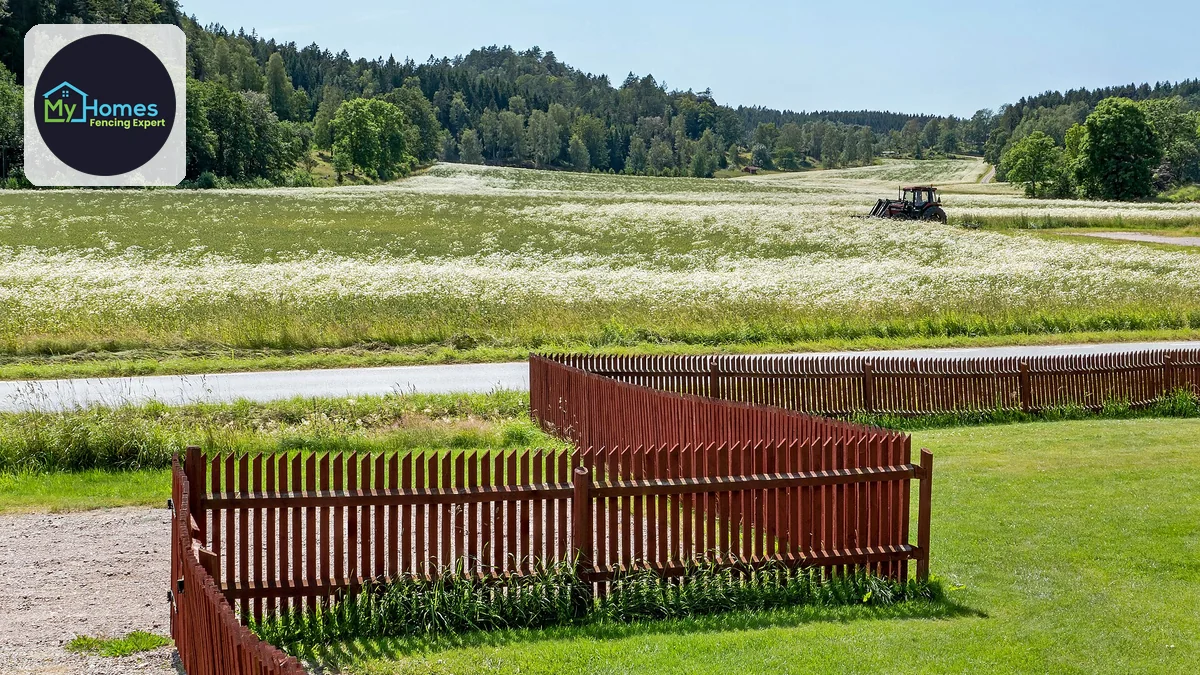
Stepped fencing keeps each bay level and drops in steps down the slope — the natural method for panel products like PVC, aluminium panels and SmartWall, which arrive as rigid rectangles. It reads crisp and architectural, but each step means custom post heights and triangular gaps at ground level to manage.
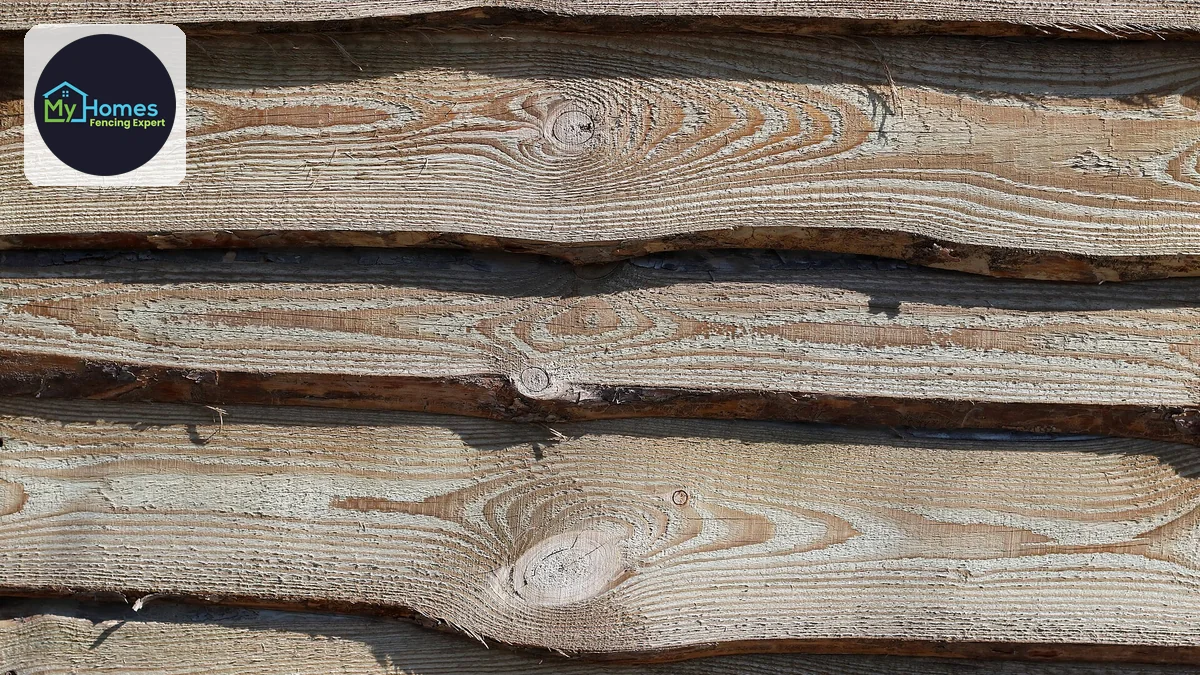
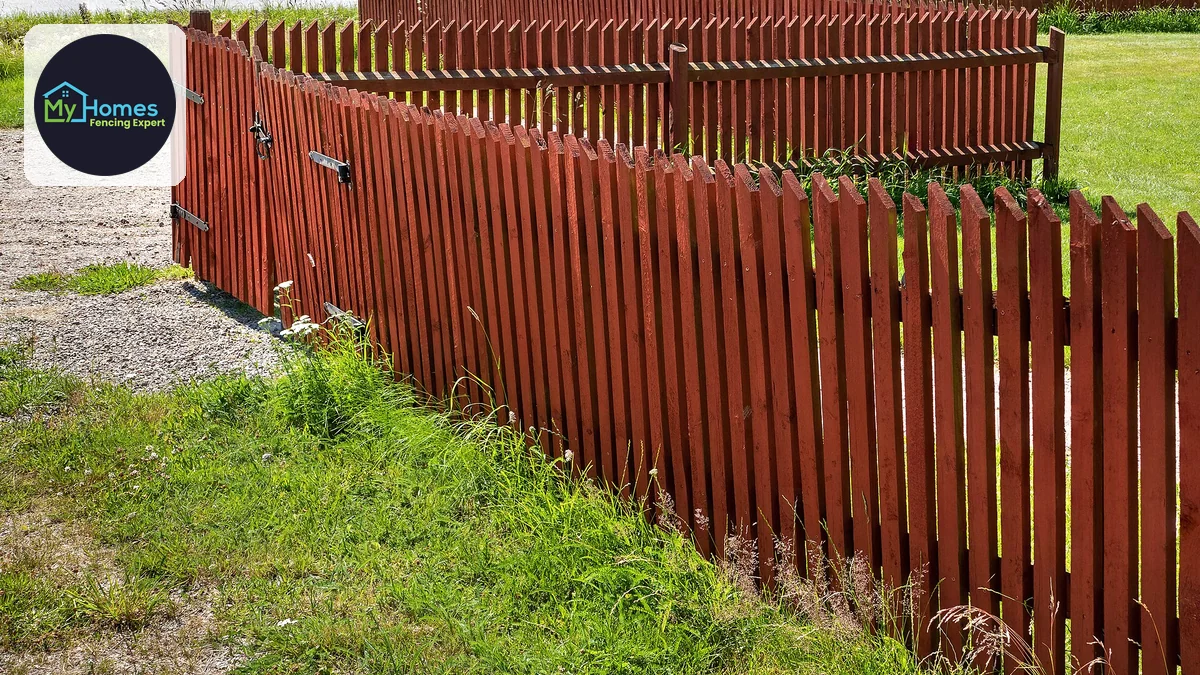
Raked fencing angles the rails to follow the ground, with palings cut individually to the slope — timber's home turf. It hugs the land with no gaps underneath, at the cost of more cutting on every single paling.
Neither method is universally cheaper; it depends on the material and the slope's consistency. We compare the two fully in our stepped-versus-raked guide — for budgeting, just know your material may decide the method for you.
Posts, Footings and the Downhill Problem
Slopes make posts work harder. Downhill posts often need extra length to reach proper embedment, holes on an angle are slower to dig cleanly, and Auckland's clay slopes hold water in winter — which means careful attention to footing depth and drainage around posts.
Wind exposure compounds it: sloped sites are frequently ridge or valley sites, and a fence stepping down an exposed face needs footings built for the gusts that funnel through.
This below-ground work is invisible in the finished fence and prominent in the quote. It's also exactly the work that separates a sloped fence that lasts from one that leans within five years.
Gaps, Ground Lines and Pets
Stepped fences leave triangular gaps under each bay where the ground falls away — trivial visually, decisive if the fence's job is keeping a dog in or pests out. Closing those gaps with kickboards, infill or ground-following bottom rails is added material and time that belongs in the plan, not the variations.
Raked timber fencing avoids the problem by following the ground, which is a genuine point in its favour for pet owners on slopes.
Raise the gap question explicitly when comparing quotes; it's the most common slope-related surprise after the fence is built.
When the Slope Needs Retaining, Not Just Fencing
Some slopes don't need a clever fence — they need ground-holding first. Where there's a level change at the boundary, where soil is creeping, or where you want to flatten terraces, a retaining wall is a separate structure with its own engineering, cost and potential consent requirements.
Building a fence on top of or near a retaining wall adds combined-height and setback questions, and rules vary by situation — confirm current Auckland Council guidance before committing to a design.
The budgeting rule: never let a fence quote quietly absorb a retaining problem. Price them as the two projects they are, even when one builder handles both.
Getting a Sloped Boundary Quoted Properly
Sloped fencing is the clearest case in fencing for a site visit before any number is taken seriously. Fall, consistency, soil, access and the retaining question can't be judged from a road frontage measurement or a phone description.
My Homes Fencing Expert builds stepped and raked fencing across Auckland's hill suburbs and will walk the actual line with you, flag the gap and retaining questions early, and put the method comparison in writing.
Call 022 315 8987 or book a free, no-obligation quote online — slopes reward the fencer who measures twice.
Frequently Asked Questions
There's no fixed premium — a gentle consistent fall adds modestly, while steep or undulating ground adds meaningfully. The extra cost is genuine labour: custom cutting per bay, longer posts, harder digging and slower material handling.
It depends on material and slope. Raked timber avoids step gaps but cuts every paling individually; stepped panels suit rigid products but need custom post heights and gap management. Your material choice often decides the method.
Yes — triangular gaps where ground falls away under each level bay. They're closed with kickboards or infill, which is added material and labour worth agreeing in the quote, especially if pets are part of the fence's job.
If the ground itself needs holding — level changes, creeping soil, planned terracing — that's retaining work, engineered and priced separately from fencing, sometimes with consent implications. Don't let one project quietly absorb the other.
The same boundary-fence principles apply on a slope as on flat ground, but agree the method and any gap-closing details together, since both sides live with them. Retaining work raises separate questions about who benefits — settle those in writing.
Ready to start your fencing project?
Get a free, no-obligation quote anywhere in Auckland.
Get a Free QuoteRelated fencing services