Article summary
Height, materials, gates, and design choices that make your fence harder to breach.
- Category:
- design
- Read time:
- 8 min
- Published:
- 22 December 2024
- Written by:
- My Homes Fencing Expert
Quick answer: a secure home fence combines the right height (hard to climb over), a strong hard-to-cut material, an anti-climb top or design, and — most importantly — a lockable, well-built gate, since the gate is the usual weak point. Good security fencing deters and delays rather than just looking tough, and it can do that without turning your home into a fortress. Clear sightlines and lighting add to the effect.
Security fencing is about closing off the easy ways in — over, through and at the gate. Here are the features that actually make a difference.
A Fence Deters and Delays — It Doesn't Stop
No residential fence is impenetrable, and any product sold on that basis is being oversold. What a fence actually does is raise the effort, the time and the visibility required to get in, and for the opportunistic intruder who accounts for most residential burglary, that is usually enough — they move to the property next door that asks less.
So the honest goal is relative rather than absolute. You are not trying to defeat a determined, equipped, targeted attack on your house. You are trying not to be the easiest option on your street, which is a far more achievable and far cheaper objective.
That framing keeps spending proportionate. It also explains why the cheap measures on this page — lighting, sightlines, a decent latch — often deliver more per dollar than an expensive fence, because they all attack effort, time and visibility directly.
The Counterintuitive Part: Solid Fences Can Reduce Security
This is the point almost every security fencing article omits, and it genuinely changes what you should build. A tall solid fence across your frontage keeps people from seeing in — including your neighbours, passing traffic, and anyone who might notice someone at your door who should not be there.
Once an intruder is inside a high solid boundary, that boundary is working for them. They have privacy to force a window, time to work unobserved, and cover to carry things out. The fence that made the property feel secure has removed the natural surveillance that was doing much of the actual protecting.
This is a well-established principle in crime prevention through environmental design, and it is why security professionals generally favour open, see-through boundaries at the front of a residential property and reserve solid fencing for the rear, where privacy matters and the surveillance was never there anyway.
Front and Back Do Different Jobs
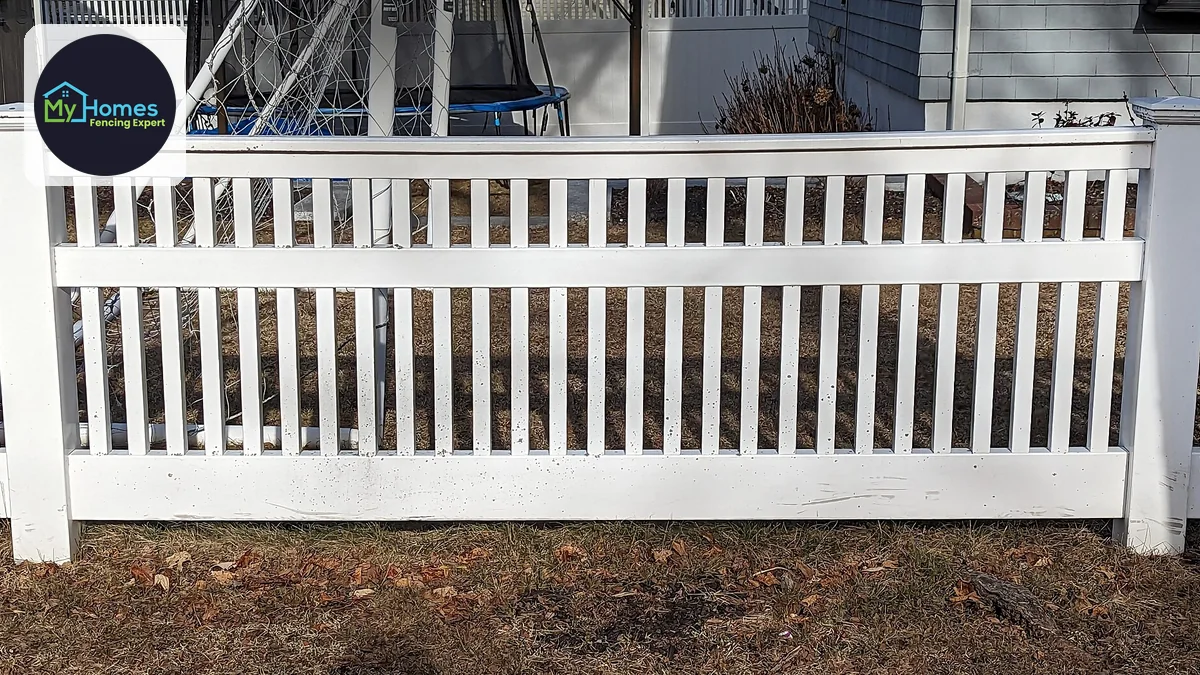
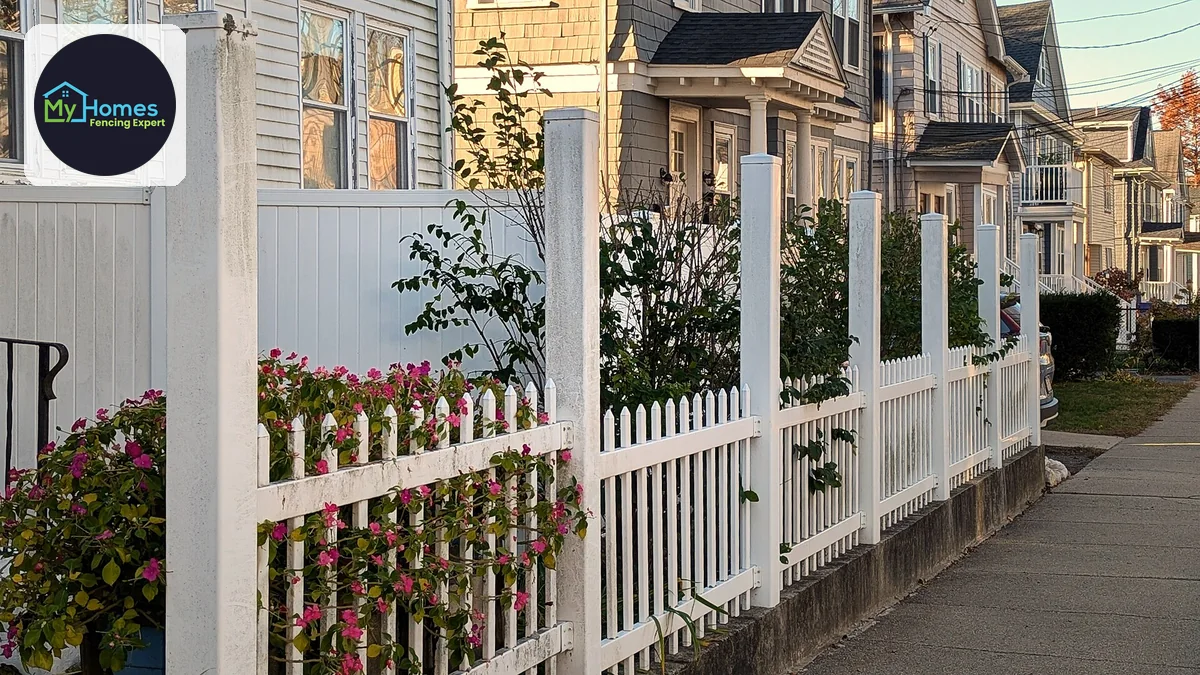
Once you accept the point above, the design almost writes itself. The front boundary should be visually permeable — vertical bars, spaced pickets, open slat, or a low solid base with an open upper section. It defines the property, controls access at the gate, and keeps your house visible from the street.
Height at the front is less important than you would think, and Auckland zoning tends to hold front fences lower anyway. A waist-to-chest-height open fence with a good gate does the territorial and access-control job perfectly well, and it does not hide anyone.
Rear and side boundaries are the reverse. Nobody is providing surveillance from your neighbour's back yard, privacy genuinely matters, and this is where solid, tall, hard-to-climb fencing earns its place. It is also where most residential intrusion actually happens, out of view from the road.
Height and Anti-Climb Geometry
Height helps, but geometry helps more, and the two are often confused. A tall fence with a convenient horizontal rail at mid-height is a ladder. A shorter fence with nothing to grip or stand on is genuinely harder to get over, because climbing needs purchase far more than it needs the fence to be short.
The practical rules: keep horizontal rails on the inside face rather than the outside, avoid capping and decorative features that create a ledge, and prefer vertical members that offer nothing to stand on. This is the same non-climbable-zone logic that pool barrier rules encode, applied to a different problem.
Then look at what is next to the fence, because intruders use whatever is there. A bin, a bench, a stack of firewood, a low wall, a parked trailer or a tree with a convenient branch each effectively lowers your fence. Walking your own boundary looking for climbing aids costs nothing and frequently finds the actual weak point.
The Gate Decides Everything
A boundary is only as secure as its easiest opening, and on almost every residential property that is the gate. It is also the component most likely to be under-specified relative to the fence around it, because it gets chosen for how it looks rather than how it resists.
The details that matter are unglamorous. Hinges that cannot be lifted off or unscrewed from outside. A frame braced diagonally so it cannot be racked. A lockable latch or keyed bolt rather than a gravity catch anyone can reach over and flip. Ground clearance small enough that nobody rolls underneath.
Then the habit, which defeats better hardware than any of the above: gates left unlatched. Self-closing hinges solve this properly because they do not rely on anyone remembering. For driveways, automation with keypad, remote or intercom gives genuine control over who enters, and keeps you in the car while deciding.
Lighting, Sightlines and Planting
Lighting is the cheapest security you can buy and it complements a fence rather than competing with it. Motion-activated lighting on approach routes and at side access removes the darkness an intruder is relying on and signals that the property is attended to. Permanently lit is less effective than sudden change, which is what draws attention.
Planting cuts both ways and is worth a deliberate look. Dense shrubs against a front fence or beneath windows create exactly the concealed working space you were trying to eliminate. Keeping planting low near the house and the frontage — and saving the tall stuff for the rear boundary — preserves the sightlines that do the work.
Thorny planting along a rear or side boundary is genuinely effective and entirely uncontroversial, unlike spikes or wire toppings on a residential fence, which raise real questions about injuring someone and are worth taking advice on before installing.
The Fence Is One Layer
Security works in layers, and a fence is the outermost one. Spending heavily on the boundary while the side gate is unlatched, the ranchslider has no secondary lock, the ladder lives against the garage and the shed is unlocked is money going to the wrong layer.
The sequence worth working through: make the property look occupied and attended to, keep the frontage visible, control the gate, secure the rear boundary properly, light the approaches, lock the outbuildings, and remove anything that helps someone climb or lever. Most of that costs very little.
Get those right and a moderate fence performs well. Get them wrong and an expensive fence is decoration. My Homes Fencing Expert will assess your actual boundaries and access points and recommend security features proportionate to the property rather than selling you the tallest option. Call 022 315 8987 or book a free, no-obligation assessment.
Frequently Asked Questions
Geometry more than height — no horizontal rails or ledges to climb on, keep rails on the inside face — plus a properly built lockable gate, and nothing stacked beside the fence that acts as a step. A fence deters and delays; it doesn't stop a determined attempt.
Often the opposite. It hides your house from neighbours and passing traffic, and once someone is inside it, that privacy works for them. Security professionals generally favour see-through boundaries at the front and save solid fencing for the rear.
The gate, and usually the habit rather than the hardware. Look for hinges that can't be lifted or unscrewed from outside, a diagonally braced frame, a lockable latch rather than a reach-over gravity catch, and self-closing hinges so it doesn't depend on anyone remembering.
No. Climbing needs purchase more than it needs a short fence, so a tall fence with a mid-height horizontal rail is a ladder while a lower one with nothing to grip is genuinely harder. Also check what's beside it — bins, benches, firewood and trailers all lower your fence.
Think carefully on a residential property. Spikes and wire toppings raise real questions about injuring someone, including people with a legitimate reason to be there, and are worth taking advice on first. Thorny planting along a rear boundary achieves much the same thing uncontroversially.
Per dollar, often yes. Motion-activated lighting on approach routes and side access removes the darkness an intruder relies on, and sudden change draws attention better than permanent illumination. It complements a fence rather than competing with it.
Yes, and the security-optimal choice is usually also the better-looking one at the front — open vertical-bar, spaced picket or slat styles in powder-coated finishes keep kerb appeal and sightlines at the same time. The fortress look is neither necessary nor more secure.
Ready to start your fencing project?
Get a free, no-obligation quote anywhere in Auckland.
Get a Free QuoteRelated fencing services