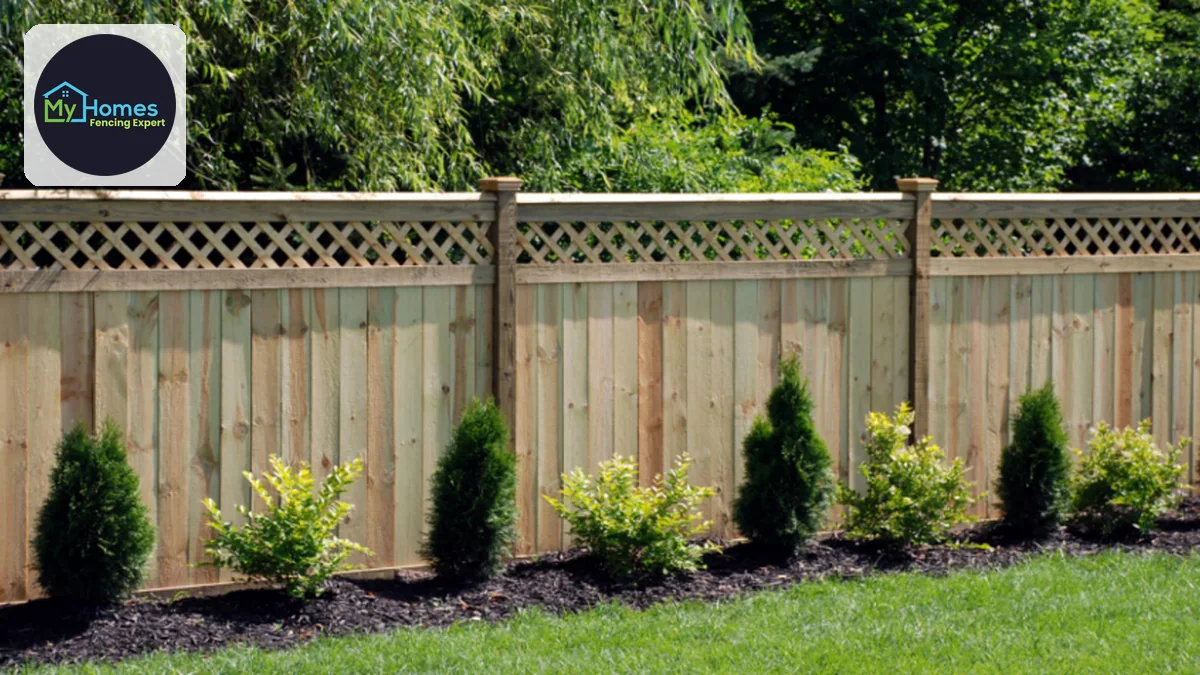

Article summary
What's the best fence for coastal Auckland? Materials ranked for salt air — aluminium, PVC, glass, coated steel and timber — plus fixing specs.
- Category:
- materials
- Read time:
- 5 min
- Published:
- 28 June 2026
- Written by:
- My Homes Fencing Expert
Auckland is a city built around two harbours, which means an enormous share of its homes live within reach of salt air — and salt air is the most patient destroyer of fences there is. Choosing the best fence for coastal Auckland isn't about taste first; it's about chemistry first, taste second.
From Browns Bay to Half Moon Bay, Takapuna to Te Atatū Peninsula, we've seen what fifteen years of sea breeze does to every fencing material. Here's the honest ranking, the fixing rule that applies to all of them, and the maintenance rhythm that keeps a coastal fence looking like it belongs there.
What's the Best Fence for Coastal Auckland?
In short: powder-coated aluminium is the best all-round fence for coastal Auckland — the metal can't rust, the finish endures, and care is a freshwater wash. Quality PVC runs a close second; glass owns coastal pool fencing; coated steel works with discipline; timber works with commitment.
Distance matters: the harshest zone is roughly within sight and smell of the sea, where airborne salt lands daily. A few streets back, exposure softens and more materials compete.
What never changes anywhere near the coast is the fixings rule below — most 'rusty fence' complaints are actually rusty screws.
Aluminium: The Coastal Default
Aluminium's oxide layer means the metal itself doesn't rust, and quality powder coating keeps it looking sharp through years of salt exposure. Slat fences, pool fencing and screens in aluminium are the standard answer along Auckland's beach suburbs for good reason.
Care is genuinely minimal: a freshwater rinse every month or two in the harsh zone — more often where rain doesn't reach, like under eaves — keeps salt from accumulating on the finish.
Specify marine-grade or stainless fixings and quality hinges, and the system has no weak link left.
PVC and Glass: The Other Salt-Proof Options
PVC simply doesn't care about salt — the material is immune, and coastal care is the same wash-down as anywhere else. For traditional looks near the beach, white PVC pickets and privacy panels are an excellent, underused answer; its metal hardware is the only part to specify carefully.
Glass is the coastal pool-fencing champion: uninterrupted sea views with a fully compliant barrier. Salt spotting on panels means more frequent cleaning for clarity, and the fittings — spigots, hinges, latches — must be marine-grade stainless without compromise.
Both prove the coastal pattern: the panels are rarely the problem; the metal bits holding them are.
Steel and Timber: Workable, With Conditions
Coated steel fencing near the coast is a discipline product: highest coating classes, immediate touch-up of every scratch and cut edge, regular washes. Kept to, it serves; neglected, salt finds the edges within seasons. A few streets inland, the pressure drops considerably.
Timber handles salt air better than steel does — the wood itself doesn't corrode — but coastal sun and wind work its coatings hard, so the staining or painting cycle shortens and skipping it shows quickly. Coastal timber lives and dies by its fixings: stainless, always.
Both can be the right call for the right owner; neither forgives the set-and-forget approach the way aluminium and PVC do.
The Rules That Apply to Every Coastal Fence
Fixings first: stainless or marine-grade screws, brackets, hinges and latches on every material, every time. Bright steel fixings near salt stain and fail first, and they're the cheapest component to get right.
Wind second: coastal sites are exposed sites, so footings and post engineering deserve respect, and semi-open styles like slats shed gusts better than full solid panels on the most exposed frontages.
Rinse third: a freshwater wash on a regular rhythm is the entire difference between a coastal fence that ages and one that endures — especially the sheltered faces rain never cleans.
Get a Coastal Specification Quote
My Homes Fencing Expert builds salt-smart fencing across Auckland's coastal suburbs — aluminium, PVC, glass pool barriers, and properly specified steel and timber where they fit the brief and the owner.
Call 022 315 8987 or book a free, no-obligation quote online. Tell us how close the sea is, and we'll specify the fence — and every screw in it — for the air it's going to live in.
Frequently Asked Questions
Powder-coated aluminium with stainless fixings is the safest long-term bet — the metal can't rust and the finish endures salt exposure. Quality PVC matches it for material immunity, with traditional looks instead of slat styles.
The harshest zone is roughly within sight and smell of the sea, where airborne salt lands daily — that's stainless-fixings, rinse-regularly territory for every material. Exposure softens a few streets back, but stainless fixings remain cheap insurance well inland of that.
Yes, with commitment: stainless fixings throughout and a shortened staining or painting cycle, because coastal sun and wind work coatings hard. It's a fine choice for owners who'll keep the rhythm — and a frustrating one for those who won't.
Because bright steel fixings are the weakest link in salt air — they corrode and streak stains long before quality panels or palings fail. Replacing them with stainless during a repair visit fixes the cause, not just the cosmetics.
A freshwater rinse every month or two in high-exposure positions, with extra attention to sheltered faces rain never reaches. It's the single cheapest maintenance habit in coastal fencing and the one that pays most visibly.
Ready to start your fencing project?
Get a free, no-obligation quote anywhere in Auckland.
Get a Free QuoteRelated fencing services