Article summary
Composite fencing in NZ: what it is, the pros and cons, how it compares with timber and PVC, and what to check on availability before you commit.
- Category:
- materials
- Read time:
- 5 min
- Published:
- 8 July 2026
- Written by:
- My Homes Fencing Expert
Composite decking conquered New Zealand's outdoor living areas; composite fencing is the same idea trying to follow it over the boundary line. If you've been asking about composite fencing — wood-fibre-and-polymer boards that promise timber's look without timber's upkeep — you're asking a good question at a slightly awkward time, because the product category here is real but still maturing.
Here's the honest state of play: what composite fencing is, where it genuinely shines, its weak points, how it stacks against the timber and PVC it competes with, and the availability questions worth settling before you fall for a brochure.
What Is Composite Fencing?
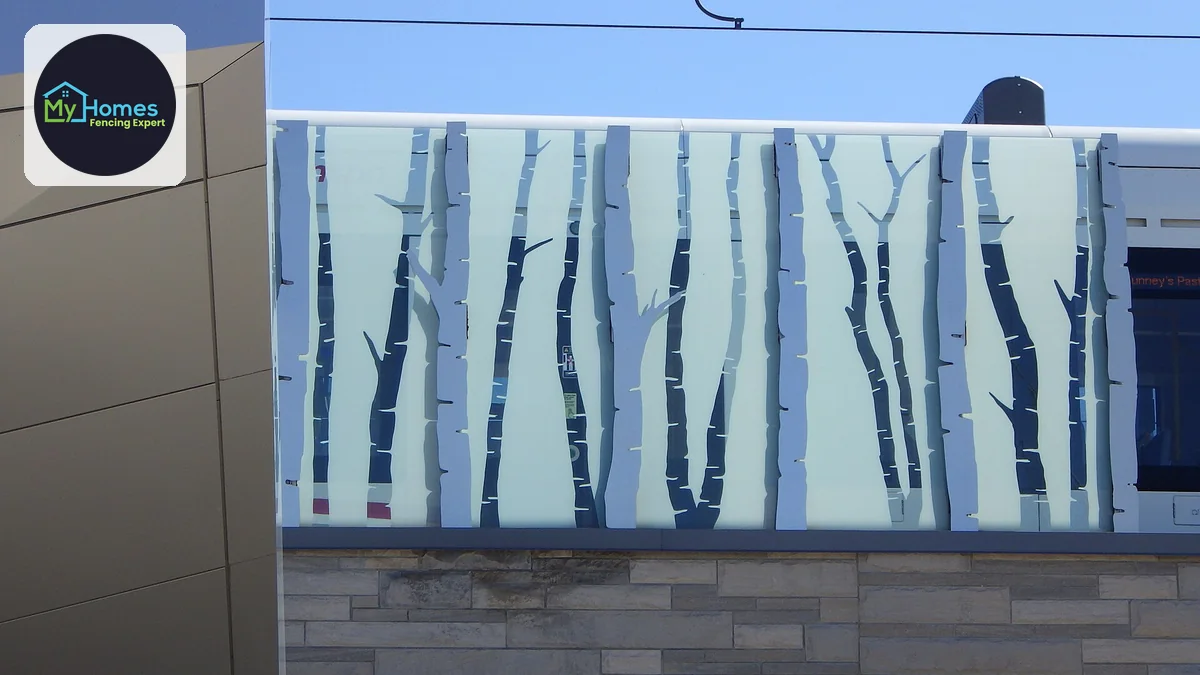
In short: composite fencing is made from boards or panels of wood fibre blended with polymer — the same family of material as composite decking — usually run as horizontal boards between posts, delivering a timber-look fence that never needs staining or painting.
The wood fibre gives it grain, tone and a more natural read than PVC; the polymer gives it the no-rot, no-coat behaviour. Capped composites add a bonded outer skin for better fade and stain resistance.
It sits deliberately between timber and PVC — warmer-looking than vinyl, lower-maintenance than wood — and is priced for that position.
The Genuine Pros
No coating cycle, ever: composite's core promise is timber aesthetics without the stain-or-paint rhythm, and quality product keeps it. Mould wipes off, rot and borer have nothing to eat, and splinters don't exist.
Consistency: every board matches, with none of timber's knots, warps and culls — a real advantage on long, highly visible horizontal runs where the eye catches every irregularity.
Sustainability credentials can be solid too: many composites use recycled timber fibre and recycled plastics, a point our eco-fencing guide expands on. Check the specific product's content rather than assuming.
The Honest Cons
Price: composite typically lands above quality timber and in PVC-and-beyond territory, so its case rests entirely on the maintenance you'll never do. Owners who'd happily stain a fence aren't its market.
Heat and fade: dark composite boards get notably hot in full sun, and cheaper uncapped products can fade unevenly in New Zealand UV — capped boards from established brands manage both far better.
Structure and spares: composite boards aren't structural, so the fence behind them — posts and rails, usually aluminium or steel — matters as much as the boards. And because the NZ category is younger, matching boards for a repair years on depends on the supplier still ranging them.
Composite vs Timber vs PVC
Against timber: composite trades a higher purchase price for zero coating cycles, and trades timber's repaint-any-colour flexibility for a fixed factory tone. On slopes, board systems step like all rigid products — timber still rakes more gracefully.
Against PVC: composite reads warmer and more timber-like, at a typically higher price; PVC counters with longer local track record, wider availability and the crisp white traditional looks composite doesn't attempt.
If the brief is 'modern horizontal timber look, no maintenance', composite is the most literal answer on the market — that specificity is its niche.
Availability: The Questions to Settle First
Composite fencing supply in New Zealand is genuine but narrower than decking — ranges, colours and panel systems vary between suppliers and change over time, so check current availability rather than assuming the brochure reflects local stock.
Ask three things of any product: is it a capped board, what's the fade and stain warranty in NZ conditions, and how long has the supplier ranged it here — your repair-matching odds live in that last answer.
Also confirm the substructure system being quoted, because 'composite fence' prices vary wildly depending on what's holding the boards up.
Worth Considering? Our Take
Composite fencing earns a place on the shortlist when you want the warm horizontal-board look without ever lifting a brush, the budget can sit above timber, and you've verified the product's local pedigree. Outside that brief, timber and PVC remain the straightforward answers.
My Homes Fencing Expert can quote composite systems alongside timber, PVC and aluminium so the comparison is concrete rather than catalogue-based.
Call 022 315 8987 or book a free, no-obligation quote online — and ask to see current composite samples, because this category moves quickly.
Frequently Asked Questions
Yes, though the range is narrower than composite decking and varies between suppliers over time. Check current local availability, capped-board options and warranties before committing — the category is real but still maturing here.
Quality capped boards resist fade well in NZ UV; cheaper uncapped product can fade unevenly. Dark boards also run hot in full sun — both reasons the brand and specification questions matter more here than in established categories.
No — it typically prices above quality timber, with the value case built entirely on never staining or painting. Owners comfortable with a coating cycle usually find timber the better buy.
The boards aren't structural — they mount to a post-and-rail system, commonly aluminium or steel. That substructure drives a large share of the price and the fence's actual strength, so confirm exactly what's being quoted.
Individual boards swap out easily — provided matching boards are still available, which depends on the supplier's range years later. Buying from established brands with long-running profiles is the practical insurance.
Ready to start your fencing project?
Get a free, no-obligation quote anywhere in Auckland.
Get a Free QuoteRelated fencing services