Article summary
Treated timber grades for fencing explained: H3.2 vs H4, where each belongs in a fence, and why the stamp on the timber decides how long it lasts.
- Category:
- materials
- Read time:
- 4 min
- Published:
- 4 July 2026
- Written by:
- My Homes Fencing Expert
Every piece of pine in a New Zealand fence carries a small stamped code that matters more than the timber's looks, straightness or price — its hazard class. Understanding treated timber grades is the difference between a fence that quietly serves for decades and one that rots at ground level inside ten years, and it takes about five minutes to learn.
Here's the fencing-relevant slice of the H-grade system: what H3.2 and H4 actually mean, which parts of a fence each belongs in, how to read the stamps when materials arrive, and the handling rules that come with treated timber.
What Treated Timber Grades Do Fences Need?
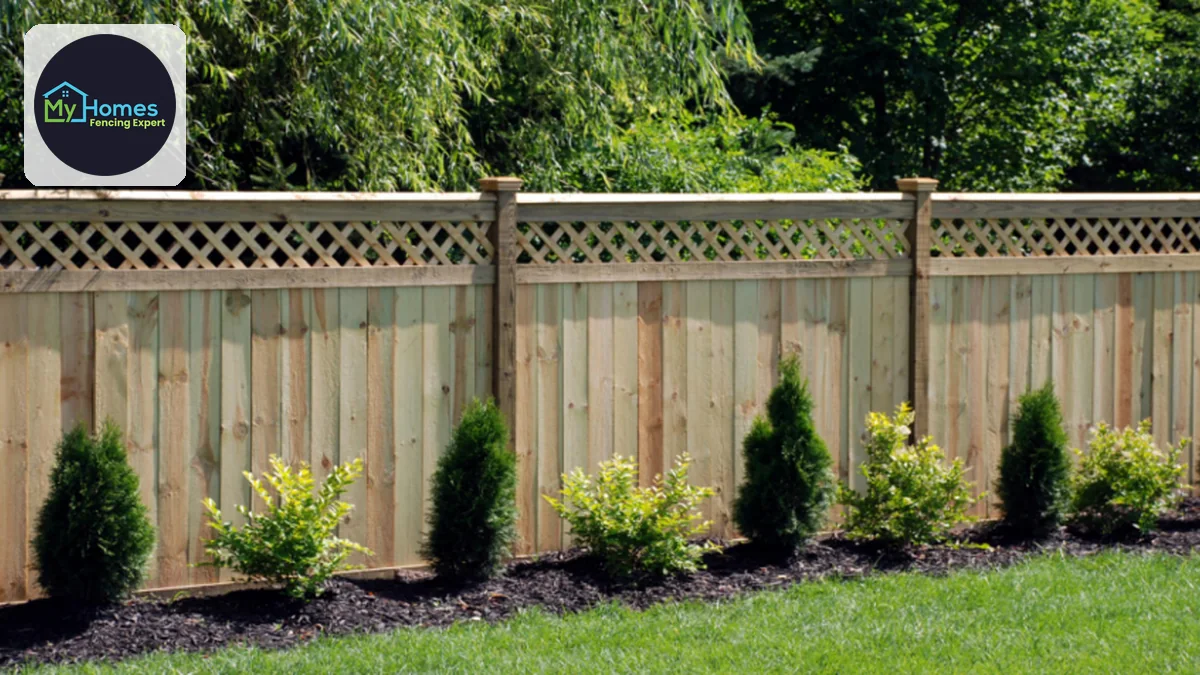
In short: the working rule for fencing is H3.2 for everything above ground — palings, rails, battens, capping — and H4 for everything in ground contact, which means posts. Higher classes like H5 exist for critical in-ground and retaining structures, beyond ordinary fencing's needs.
The H number describes the hazard the treatment is engineered to survive, not the timber's quality. H3.2 handles weather exposure; H4 handles the far harsher world of soil, constant moisture and decay organisms.
Get the pairing right and treated pine is superbly durable. Get it wrong — H3.2 in a post hole — and the ground wins, every time.
Why the Ground Line Is the Battlefield
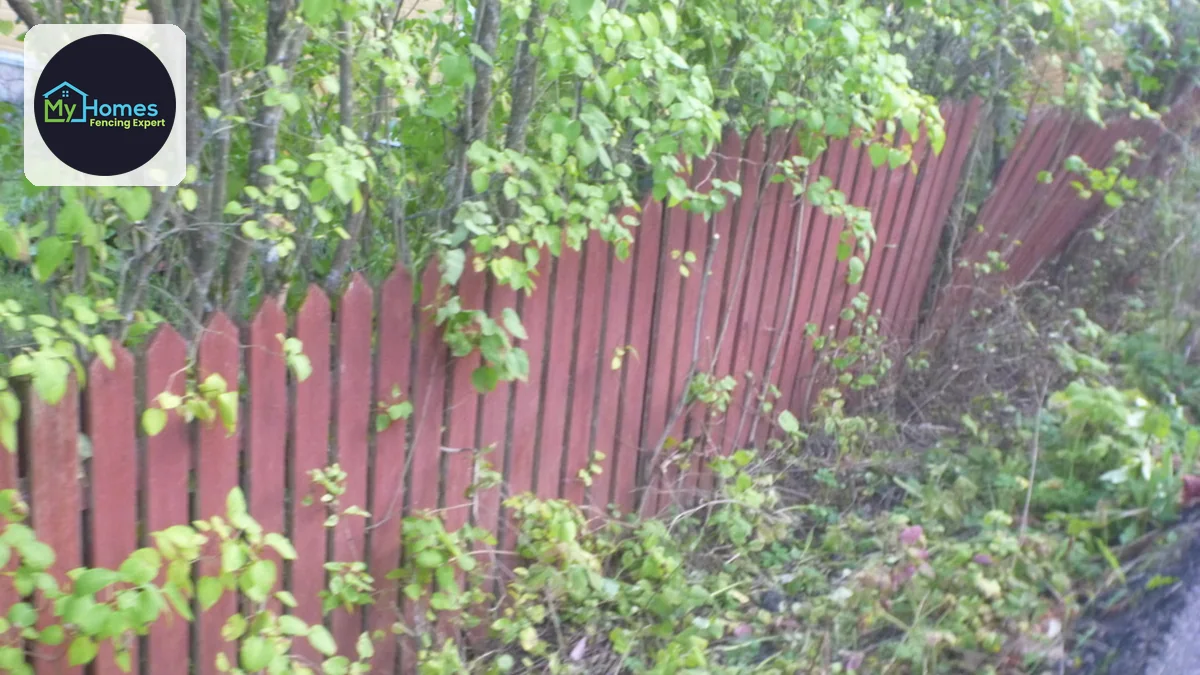
Fence posts fail at and just below ground level, almost without exception — the zone where moisture, oxygen and soil organisms all meet. That's precisely the hazard H4 treatment is designed for, and precisely where lower grades surrender.
It's also why a fence can look perfect while being finished: palings and rails weather cosmetically for decades, while an under-graded post rots invisibly at the line until a storm finds it.
Our post-rot guide covers the prevention detailing; the grade is the foundation it's all built on.
Reading the Stamps When Timber Arrives
Treated timber is branded or tagged with its hazard class — look for the H3.2 or H4 marking on the timber or its packaging. Checking the delivery takes two minutes and is completely normal practice; any professional expects it.
Colour is a hint, not a guarantee: treatments tint timber green or brown to varying degrees, and tones vary between plants and chemistries. The stamp is the truth; the colour is decoration.
If you're quoting a fence, the grades belong in writing — 'H4 posts, H3.2 rails and palings' is a single line that separates a specified fence from a hopeful one.
Treatment Types and Handling Rules
Most NZ fence timber is preservative-treated with long-established chemistry, and it comes with sensible handling rules: never burn offcuts or old treated timber, wash hands before eating after handling, wear a mask when cutting in quantity, and keep treated sawdust out of gardens and compost.
Disposal follows the same logic — treated timber goes through proper waste channels, not the bonfire or the firewood pile. Our removal guide covers the practicalities.
For raised vegetable beds and food-adjacent structures, alternative treatments and barriers are the usual approach; that's a different shopping list from boundary fencing.
Grades, Lifespan and the Price of Skipping
The cost difference between correct and corner-cut grades is small against the whole project — a modest premium on the posts. The lifespan difference is the whole fence: properly graded structures serve for decades, while an under-graded post line schedules its own rebuild.
This is the cheapest insurance in fencing, and the easiest specification to verify. It's also one of the quiet places bargain quotes find their margin.
When comparing quotes, the grades line is worth more attention than the price line — a habit our quote-comparison guide builds on.
Specified Right, Built Right
My Homes Fencing Expert specifies H4 posts and H3.2 above-ground timber in writing on every timber fence quote, and we're happy to show you the stamps on delivery day.
Call 022 315 8987 or book a free, no-obligation quote online — five minutes of grade talk now is decades of fence later.
Frequently Asked Questions
Hazard class: H3.2 is treated for exposed above-ground use — palings, rails, capping — while H4 is treated for ground contact, meaning posts. H4 survives the soil moisture and decay organisms that defeat lower grades.
No — the ground line is exactly the hazard H3.2 isn't engineered for, and posts are where fences fail. The saving is small, the consequence is the whole fence, and it's the classic corner cut in cheap builds.
Ask for the grades in the written quote, then read the stamps or tags on the delivered timber — H4 on posts, H3.2 on the rest. Checking is normal practice and any professional will welcome it.
With ordinary precautions, yes: wash hands after handling, mask up when cutting in quantity, keep sawdust out of compost, and never burn treated offcuts. For vegetable beds specifically, barriers or alternative materials are the usual approach.
Correct grades plus good detailing — drainage, concrete done properly — routinely deliver decades of service from treated pine fencing. The grade sets the ceiling; the build quality decides how close you get to it.
Ready to start your fencing project?
Get a free, no-obligation quote anywhere in Auckland.
Get a Free QuoteRelated fencing services