Article summary
Trellis fence cost in Auckland: how trellis panels, toppers and frames are priced, and why quality trellis outlasts the bargain-bin alternative.
- Category:
- cost
- Read time:
- 5 min
- Published:
- 30 May 2026
- Written by:
- My Homes Fencing Expert
Trellis is the most misunderstood product in fencing budgets. People see cheap panels stacked at the hardware store and assume trellis fence cost is trivial — then wonder why professionally built trellis fencing quotes at several times that number, and why the cheap panels sag and grey within a couple of seasons.
The answer is that a trellis fence is a structure, not a panel. The lattice is the visible part; the framing, posts and fixing details are where both the cost and the lifespan live. Here's how trellis work is genuinely priced in Auckland, whether it's a full fence, a screen or a topper.
How Much Does a Trellis Fence Cost in Auckland?
In short: trellis fence cost depends on whether you're building a standalone trellis fence, a privacy screen, or a topper on an existing fence — plus the panel quality, framing, height and total length involved.
Toppers are the budget end, because the structure already exists. Standalone trellis fencing prices like a light fence build: posts, footings, framing and panels. Architectural screens with heavy battens and custom framing sit at the top.
Panel quality alone can move material cost severalfold, which is why two trellis quotes can differ sharply while describing the same metres.
Panel Quality: The Severalfold Difference
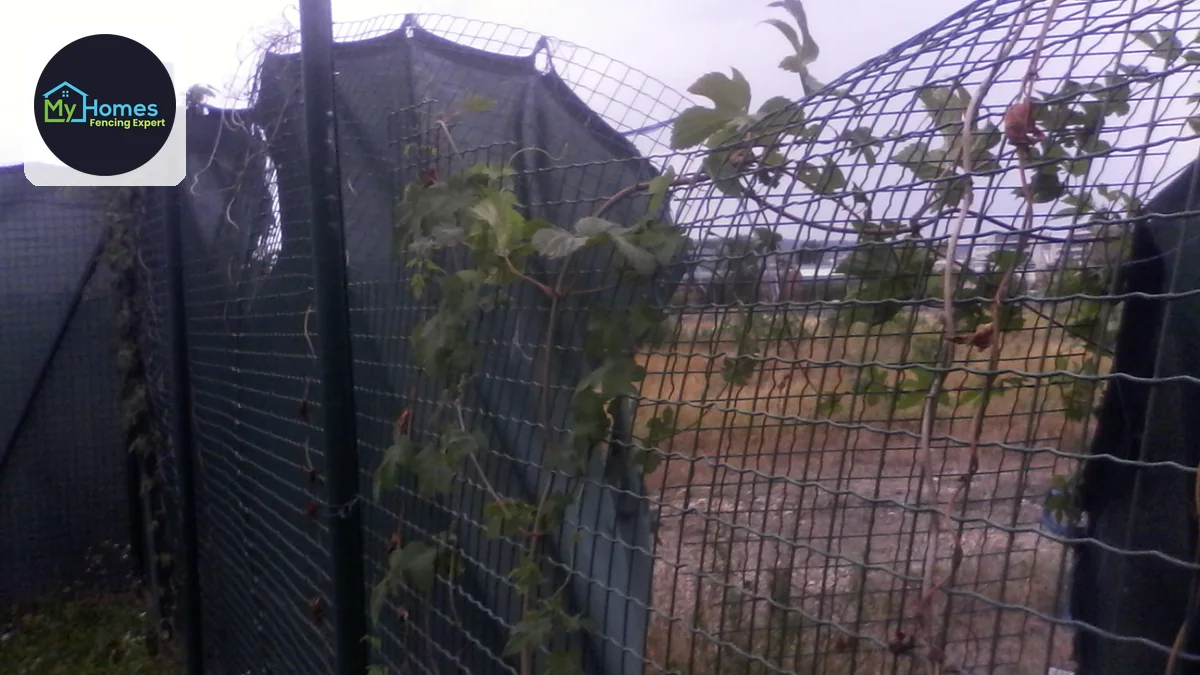
Budget trellis uses thin laths stapled together — light, cheap, and quick to twist, sag and shed pieces once Auckland's sun and rain get to work. Quality trellis uses thicker treated laths, properly fixed, in square or diagonal patterns that hold their shape for years.
The price gap between those products is real, and so is the lifespan gap. A cheap panel that fails in three seasons costs more per year than a quality panel that serves fifteen.
If a trellis quote seems too good, ask exactly what panel is being supplied. Lath thickness and treatment level are the two questions that sort the market instantly.
Framing and Posts: The Hidden Half
Trellis panels have little structural strength of their own — the frame does the work. Proper trellis fencing caps panels in rebated framing, fixes them to posts at sensible spacings, and keeps the bottom edge clear of soil moisture.
Skipping the frame is the classic false economy: unframed panels wave in the wind, pull their staples, and collapse in the first decent storm. Framing is a large share of a quality quote precisely because it's most of the strength.
For toppers, the equivalent question is whether the existing posts can carry the added height and wind load. Sound posts make a topper cheap; tired posts make it a fence rebuild in disguise.
Toppers vs Standalone Trellis Fencing
A trellis topper on a structurally sound fence is one of the best value-per-dollar moves in fencing — privacy and height gained without touching the ground. Cost scales with length, panel quality and any framing or post extensions needed.
Standalone trellis fencing makes sense as a garden divider, a screen for bins or a pool pump, or a plant-support boundary where airflow matters. It prices above a topper but below solid fencing of the same height, because it uses less material per square metre.
Combined heights on boundaries still need to sit within the rules for your property — a topper that takes a fence well above standard height is worth checking before building.
Finishing and Lifespan Economics
Staining or painting trellis costs more per square metre than coating flat fencing — all those edges and intersections take time — but it meaningfully extends panel life and keeps the lattice looking deliberate rather than weathered.
Plants change the maintenance picture: once a climber owns the trellis, recoating becomes impractical, so finish the trellis properly before planting and choose climbers that won't out-muscle the laths.
Spend the money in this order: framing first, panel quality second, finish third. That sequence buys the most years per dollar.
Get a Trellis Quote
My Homes Fencing Expert builds trellis fencing, screens and toppers across Auckland with properly framed, treated panels that are built for the weather here.
Call 022 315 8987 or request a free, no-obligation quote online — and if your existing fence can take a topper instead of a rebuild, we'll be the first to tell you.
Frequently Asked Questions
Because the panels are the cheapest part. Professional trellis work includes posts, footings, rebated framing and quality thick-lath panels — the structure that keeps trellis straight through Auckland wind and rain. Unframed cheap panels fail fast.
Substantially, provided the existing posts are sound enough to carry the extra height and wind load. If the posts are tired, the honest answer is a rebuild — a topper on failing posts wastes the spend.
Quality treated, framed trellis can serve well over a decade; thin stapled budget panels often deteriorate within a few seasons. Lath thickness, treatment and framing are what you're really buying.
It lasts noticeably longer with a finish, and coating is easiest before installation and before any climbing plants take over. Expect finishing trellis to cost more per square metre than flat fencing — the edges take time.
Combined height is what counts on a boundary, topper included. Height rules vary by property and situation, so check current Auckland Council guidance before adding significant height to an existing fence.
Ready to start your fencing project?
Get a free, no-obligation quote anywhere in Auckland.
Get a Free QuoteRelated fencing services