Article summary
Tubular metal fencing explained: styles, heights, pool variants, aluminium vs steel versions and where this open classic fits your boundary.
- Category:
- materials
- Read time:
- 4 min
- Published:
- 17 July 2026
- Written by:
- My Homes Fencing Expert
Before slat fencing conquered the design magazines, tubular metal fencing was quietly doing the work it still does today — vertical bars in horizontal rails, defining boundaries, guarding pools and topping front walls across the country. It's the open classic of the metal family: secure without bulk, see-through by design, and the value entry point to metal fencing.
This guide explains the product properly: what tubular fencing is and isn't, the styles and tops that set its character, the pool variant that made it famous, the aluminium-versus-steel choice inside it, and the briefs where 'open and upright' is exactly the right answer.
What Is Tubular Metal Fencing?
In short: tubular metal fencing is vertical hollow-section bars (the 'tubes') fixed through or welded to horizontal rails, hung between posts as manufactured panels. It defines and secures a boundary while keeping sightlines open — the opposite philosophy to privacy fencing.
Manufactured at scale in standard panels, it installs efficiently and prices at the accessible end of metal fencing, as our cost guide maps.
Its place in the wider family — beside slat, solid panel and fabricated work — is covered in our types-of-metal field guide; tubular's territory is everywhere openness is a feature, not a flaw.
Styles, Tops and the Character They Set
Flat-top panels — bars finishing flush under a top rail — are the modern default: clean, safe-edged, equally at home on a new build's frontage or around a pool. Loop-top softens the read for traditional settings.
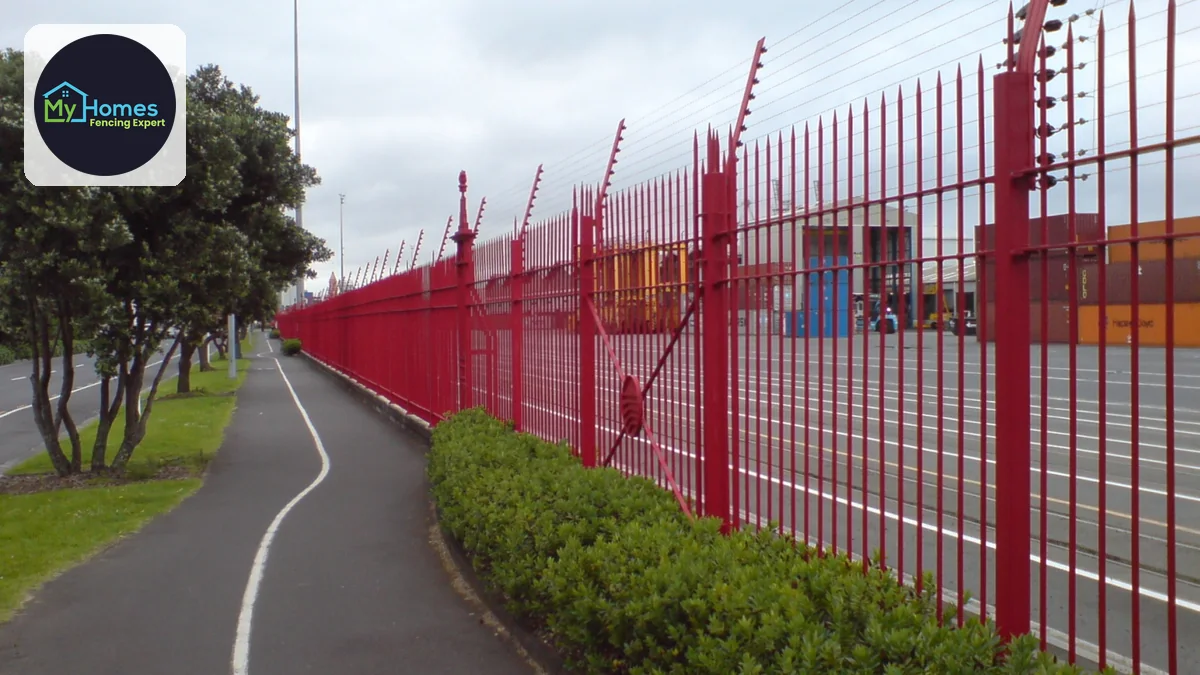
Spear and press-point tops nod to Victorian railing heritage and add deterrence on security frontages — with the obvious judgement call that pointed tops and family yards don't mix.
Bar spacing and profile (round, square, slimline) tune the look from airy to substantial; powder-coat black remains the overwhelming favourite because dark open bars all but vanish against gardens.
The Pool Variant: Where Tubular Earned Its Keep
Pool fencing is tubular's signature role: vertical bars are inherently climb-resistant, and purpose-built pool panels arrive engineered to barrier requirements — compliant heights, gap limits, nothing horizontal in the climb zone — with the self-closing gate hardware ecosystem to match.
Our aluminium pool fencing guide covers that application in depth; the headline here is simply that the pool panel is tubular fencing, refined by regulation.
As always with barriers: requirements are specific and can change, so confirm current rules for your property before building.
Aluminium or Steel Tubes?
Tubular comes in both metals, and the standing comparison applies: aluminium for coastal addresses, pool surrounds and zero-fuss ownership; steel for strength-led briefs, heavier gates and the sharpest entry prices, in duplex coating as our coatings guide insists.
Functionally, residential tubular in either metal does the job — the site picks the metal more than the style does.
Whichever metal, the fixings-and-touch-up disciplines are the whole maintenance story: tubular has no palings to rot, gaps to open or coatings to recoat.
Where Tubular Is the Right Answer
Front boundaries where the garden is the point: tubular defines without hiding, which suits frontage rules and street appeal alike. Pool zones: its home game. Topping low walls and retaining: light, open and made for the role.
Security frontages: taller heights, tighter spacing and rated gates take tubular convincingly into deterrence territory without the fortress look our security design guide warns against.
Where it's the wrong answer is equally clear — privacy. Open bars screen nothing; that brief belongs to slat, panel and the privacy materials.
The Open Classic, Quoted in Writing
My Homes Fencing Expert installs tubular fencing and gates across Auckland in aluminium and steel — frontages, pool barriers and wall-top runs — specified panel, metal, coating and hardware in every quote.
Call 022 315 8987 or book a free, no-obligation quote online; if the brief is 'define it, don't hide it', this is usually where the value lands.
Frequently Asked Questions
Open-boundary jobs: front fences where the garden stays on show, pool barriers (its signature role), wall and retaining tops, and security frontages at taller specifications. It defines and secures without screening — privacy is the one brief it can't take.
Both exist: aluminium for coastal addresses, pools and minimal upkeep; duplex-coated steel for strength-led briefs and the sharpest entry prices. The site usually picks the metal — salt air decides faster than style does.
It's one of the least climbable styles going — vertical bars offer feet nothing, which is exactly why pool barrier panels are tubular by design. Avoid horizontal mid-rails in the climb zone near pools, and the geometry does the work.
It's the accessible entry to metal fencing — manufactured panels at scale, efficient installation. Slat and solid panel sit above it; fabricated decorative and security work tops the ladder, as our metal cost guide maps.
Almost none: washes for the powder coat, prompt touch-up of any damage on steel versions, and quality hinge-and-latch care on gates. There are no palings, gaps or recoat cycles in the product's life.
Ready to start your fencing project?
Get a free, no-obligation quote anywhere in Auckland.
Get a Free QuoteRelated fencing services