Article summary
How to use trellis fencing to add height, decoration, and climbing plants to your garden boundary.
- Category:
- design
- Read time:
- 9 min
- Published:
- 20 November 2025
- Written by:
- My Homes Fencing Expert
Quick answer: trellis fencing is the go-to for adding height and greenery without a heavy solid wall — most often used as a topper on an existing fence to gain privacy, or as a standalone lattice screen for climbing plants. It lets light and air through while breaking up sightlines, and once climbers fill in, it turns a plain boundary into a living green screen. It's one of the cheapest ways to add both privacy and character.
Trellis is versatile and budget-friendly, but it needs the right support and plants to work well. Here's how to use it around an Auckland yard.
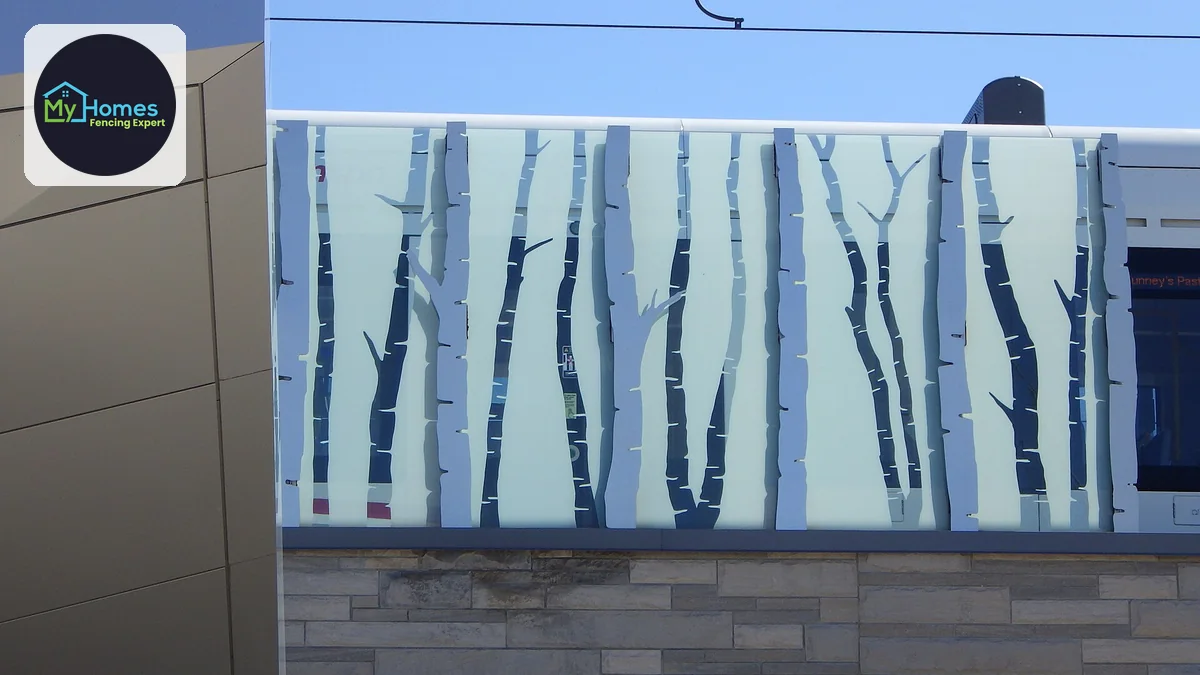
Trellis Toppers: The Cheapest Privacy You Can Buy
The most popular use of trellis is as a topper — a lattice panel added along the top of an existing fence to lift its height and add screening without building a whole new solid fence. It is a genuinely cost-effective answer to the most common privacy complaint we hear: a neighbour's new upstairs window, a raised deck next door, or a new build that suddenly looks straight into the living area.
It works partly because of how sightlines behave. You rarely need to block the view completely — you need to break the direct line between their window and your outdoor space. A few hundred millimetres of extra height at the right point on the boundary does more than the same money spent anywhere else on the fence.
The open lattice also keeps the yard feeling like a yard. Adding the same height in solid boards can make a small Auckland section feel like a courtyard well, whereas trellis lifts the screening line while still letting light and air through.
Check the Height Rules Before You Add a Topper
This is the step people skip, and it is the one that can cost you. In most Auckland residential zones a fence up to two metres high is generally a permitted activity, and going above that typically requires resource consent. A trellis topper counts toward that height — it is part of the fence, not a decoration sitting on it.
That matters because so many existing boundary fences are already at or near the permitted height. Adding half a metre of lattice to an existing 1.8-metre fence can quietly put the structure over the line. Rules also differ for front yards, where lower limits commonly apply and a solid fence may be restricted more than a partly open one, and different zones and any site-specific overlays can change the answer again.
Separately from resource consent, building consent for fences is generally not required below a certain height under the Building Act's exemptions — with pool barriers being the significant exception. The two consents are different systems and clearing one does not clear the other. Check your specific address and zone with Auckland Council before you build, not after a neighbour asks a question.
The Posts Have to Carry It — Check Them First
Trellis looks light, and this is deceptive. Adding height to a fence increases the wind load, and because the extra area sits at the very top, it acts on a longer lever arm than anything lower down. A topper puts noticeably more force into the posts than its weight suggests, and once climbers fill in it stops behaving like an open lattice and starts behaving like a solid panel.
So the honest sequence is: assess the existing posts, then decide on the topper. Push firmly against the fence and watch the base of the posts. If they pivot at the ground line, the fence is already at the limit of what it can carry and adding height will accelerate the failure rather than cause it.
Where posts are sound but marginal, they can often be reinforced or extended rather than replaced. Where they are already going soft at ground level, the sensible advice is to deal with that first. Building a nice new topper onto posts that are two winters from failing is money spent in the wrong order.
Choosing Climbers for Your Aspect
Trellis and climbing plants are made for each other, but aspect decides which climbers will actually thrive. A north- or west-facing run in Auckland gets long hours of hot afternoon sun and dries out fast, which suits vigorous sun-lovers like jasmine, bougainvillea in warm sheltered spots, or an ornamental grape that gives dense summer cover.
A south-facing or shaded boundary is a different environment entirely — cooler, damper, slower to dry after rain. Shade-tolerant climbers do far better there, and a plant that romps away on the sunny side of the same property may sulk on the shady one. Matching the plant to the wall it is actually growing on is the whole game.
The other decision is evergreen versus deciduous. Evergreen climbers keep screening through winter, which matters if the privacy problem is year-round. Deciduous climbers like ornamental grape open up in winter, which is a real advantage where you want summer screening but winter sun into the house.
Living Screens: Weight, Water and Wind
A mature climber is heavy, and it holds water. A vigorous grape or an established jasmine on a long run represents a substantial ongoing load, and after heavy Auckland rain that load goes up again. Trellis that is adequate for the lattice alone can sag or pull at its fixings once a decade of growth is hanging on it.
Wind is the compounding factor. Bare lattice lets wind through; lattice covered in dense foliage does not. The plant gradually converts your open screen into a solid one, which means the structure ends up carrying wind loads it was never sized for. This is the mechanism behind most trellis failures we see, and it happens slowly enough that nobody notices until something gives.
Build accordingly: proper fixings rather than staples, framing that is fixed back to the posts rather than only to the palings, and a plan to keep the growth trimmed. A living screen is a structure with a plant on it, not a plant with a structure behind it.
Standalone Screens for Courtyards and Spas
Beyond boundary toppers, freestanding trellis screens are one of the most useful tools for shaping an outdoor space. A single well-placed screen can make a spa private without fencing the whole yard, shelter an outdoor dining area from the prevailing wind, or hide a bin store, heat pump unit or clothesline while still feeling deliberate.
Because these are not on the boundary, they are usually a design decision rather than a compliance one — though a tall freestanding structure can still be subject to height and setback rules, so it is worth a check if you are going high.
The design trick is to make the screen read as part of the landscaping rather than as an offcut of fence. Matching the stain to the existing fence, running the framing in the same direction as nearby lines, and pairing it with planting at the base all help it look intended.
Materials and Making It Last
Auckland's damp is unkind to thin timber sections, and trellis is by definition thin timber. Anything in ground contact should be H4 treated; the lattice and framing above ground should be H3.2 at minimum. Untreated decorative lattice from a garden centre will look excellent for two summers and tired by the fourth.
Coating matters more on trellis than on a solid fence, because there is far more surface area per unit of timber and the sections are small enough that rot has less material to get through. Coating it before installation — while you can still reach every face and edge — is worth the extra afternoon, because once a climber is established you will never coat it properly again.
If you want the look with minimal upkeep, powder-coated aluminium and composite lattice both exist and neither needs re-coating. My Homes Fencing Expert builds trellis toppers and screens across Auckland, and will check your existing posts and height situation before quoting. Call 022 315 8987 or book a free, no-obligation site visit.
Frequently Asked Questions
Usually yes, and it is the most cost-effective privacy fix there is. Two things to check first: whether the added height keeps the fence within your zone's permitted height, and whether the existing posts are sound enough to carry the extra wind load.
Yes — it is part of the fence, not a decoration on top of it. In most Auckland residential zones fences up to two metres are generally permitted, so adding lattice to an existing 1.8-metre fence can push it over. Front yards commonly have lower limits. Check your address and zone with Auckland Council first.
It depends on aspect. Sunny north- and west-facing runs suit vigorous sun-lovers like jasmine or ornamental grape; shaded south-facing boundaries need shade-tolerant climbers. Evergreens screen year-round, while deciduous climbers like grape give summer cover and let winter sun through.
It can, if the posts were already marginal. Added height increases wind load and acts on a longer lever arm, and once climbers fill in the lattice stops letting wind through. Test the posts by pushing on the fence and watching the base — if they pivot at ground level, fix that before adding height.
Partly. Open lattice breaks up direct sightlines and adds separation while keeping light and air, which is often enough to solve an overlooking problem. Full visual privacy comes once climbers fill in. For immediate solid privacy you want close-boarded timber, with trellis on top for the extra height.
H4 treated for anything in ground contact and H3.2 for the lattice and framing above ground. Trellis has a lot of surface area in small sections, so untreated decorative lattice ages fast in Auckland's damp — and coat it before installation, because you will never reach every face once a climber is established.
Fix the framing back to the posts rather than only to the palings, use proper fixings instead of staples, and keep the growth trimmed. A mature climber holding rainwater is a serious ongoing load — build the screen as a structure that carries a plant, not as decoration.
Ready to start your fencing project?
Get a free, no-obligation quote anywhere in Auckland.
Get a Free QuoteRelated fencing services