Article summary
Key warning signs — leaning, rot, and damage — that mean repair is no longer worth it.
- Category:
- repair
- Read time:
- 3 min
- Published:
- 26 July 2025
- Written by:
- My Homes Fencing Expert
Quick answer: replace rather than repair once the problems are spread along the fence line instead of isolated to one spot — multiple leaning sections, posts that are soft or wobbly at ground level, timber that's grey and splintering throughout, or a fence you've already patched two or three times in a year. A one-off broken bay is a repair; a fence failing in clusters has usually reached the end of its life.
It's the call we help Auckland homeowners make almost every week. Here are the clear signs that repair money is better spent on a rebuild.
The Warning Signs to Look For
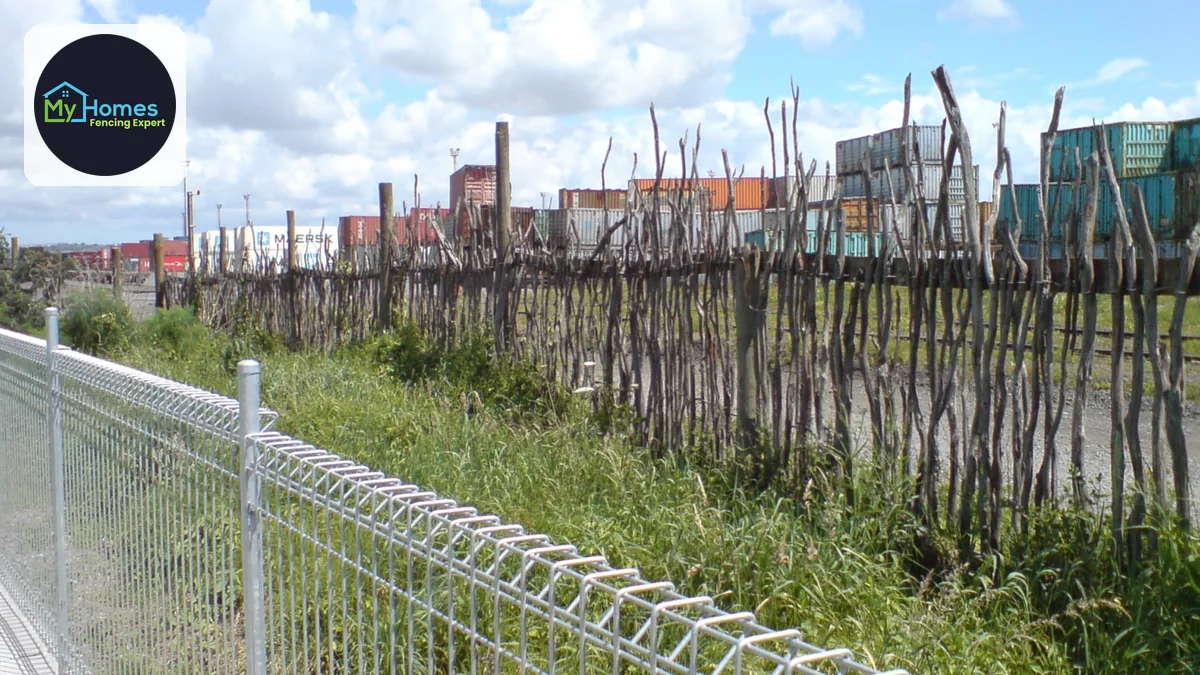
Start at the posts, because that's where a fence dies first. Push firmly along the fence at post height — if several posts move, feel spongy, or the timber is soft and dark at ground level, the structure is failing, not just the boards. Leaning is the next big tell: one leaning bay can be straightened, but a fence that's leaning in several places along its length is telling you the footings have gone.
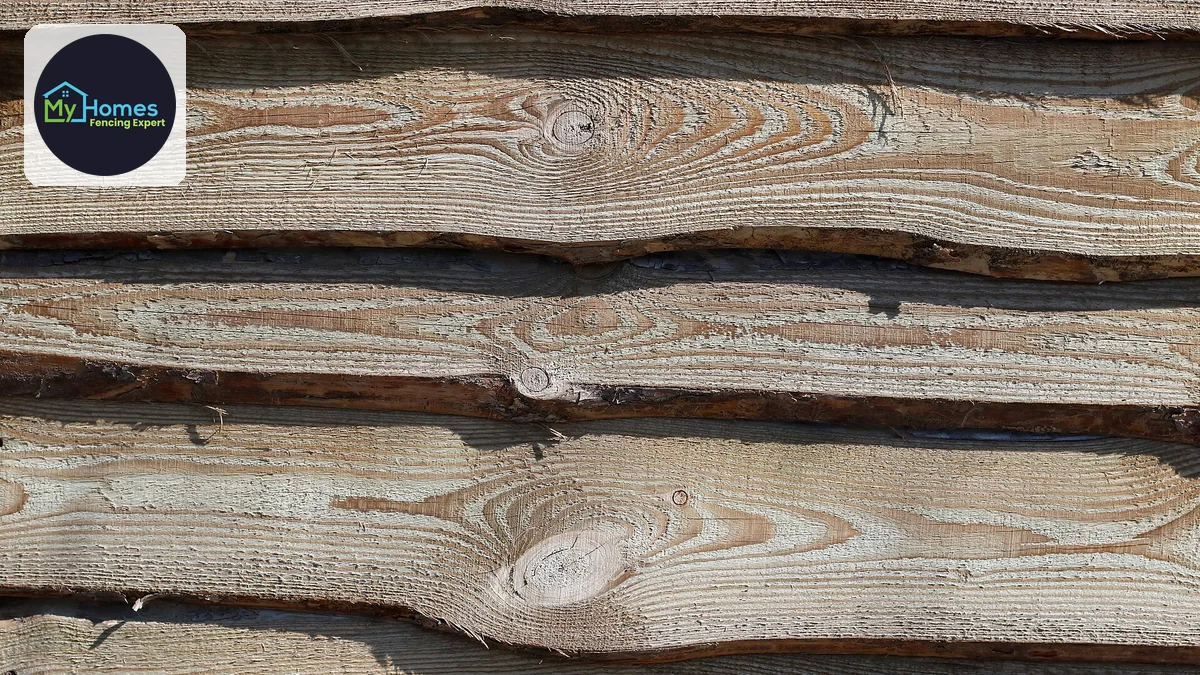
Above ground, look for timber that's grey, cracked and splintering across the whole run (not just weathered on the surface), palings falling off or gaps opening up, and rusted, failed fixings. Any one of these in isolation might be a repair; several of them together across the fence point firmly to replacement.
The 'Repaired It Twice Already' Test
A useful rule of thumb: if you've repaired the same fence two or three times in the past year, you're past the point where patching is good value. Older fences built before H4/H5 in-ground treatment became standard tend to fail in clusters as they reach the end of their life, so fixing one bay just buys a few months before the next section goes.
At that stage each repair is effectively money spent propping up a fence that's coming out anyway. Totting up what you've already spent on repairs against the cost of a rebuild often makes the decision obvious.
Safety, Looks and Getting an Honest Assessment
Some situations push replacement regardless of cost maths — a fence that's a safety risk (leaning over a footpath, or a failed pool-fence section that breaks compliance), or one so far gone it's dragging down your property's kerb appeal or a house sale. In those cases repair is a false economy.
The reliable way to decide is an assessment that checks below ground, not just the visible damage. We'll give you both options costed side by side — repair now versus rebuild — and tell you honestly if a repair is only a short-term patch, so you're not caught out again in a year.
Frequently Asked Questions
When problems are spread along the fence rather than isolated — multiple leaning sections, posts soft at ground level, timber grey and splintering throughout, or repeated repairs in a short time. A single damaged bay is a repair; widespread failure means it's time to replace.
Push firmly on the fence at post height. Noticeable movement, a spongy feel, or timber that's soft and dark at ground level means the posts are rotting below the surface — the main structural reason a fence needs replacing rather than patching.
Not once it's failing in multiple places. If you've repaired the same fence two or three times in a year, each fix tends to be followed by another nearby, and a rebuild usually works out better value than continuing to patch.
Ready to start your fencing project?
Get a free, no-obligation quote anywhere in Auckland.
Get a Free QuoteRelated fencing services