Article summary
Everything you need to know about PVC fencing — the benefits, drawbacks, and whether it suits your Auckland property.
- Category:
- materials
- Read time:
- 3 min
- Published:
- 27 February 2026
- Written by:
- My Homes Fencing Expert
Quick answer: PVC (vinyl) fencing is worth it if low maintenance is your priority — it won't rot, rust or need painting, and a quality product keeps its clean look for 20–30 years. The trade-offs are a higher upfront cost than timber, a more uniform 'manufactured' appearance, and the fact that damage usually means swapping a whole panel rather than one board. For pools, coastal sites and busy owners it stacks up well; for a cheap private boundary, timber still wins on price.
PVC divides opinion, so here's an honest look at where it genuinely shines and where it doesn't, based on what we see holding up around Auckland.
The Pros: Where PVC Earns Its Place
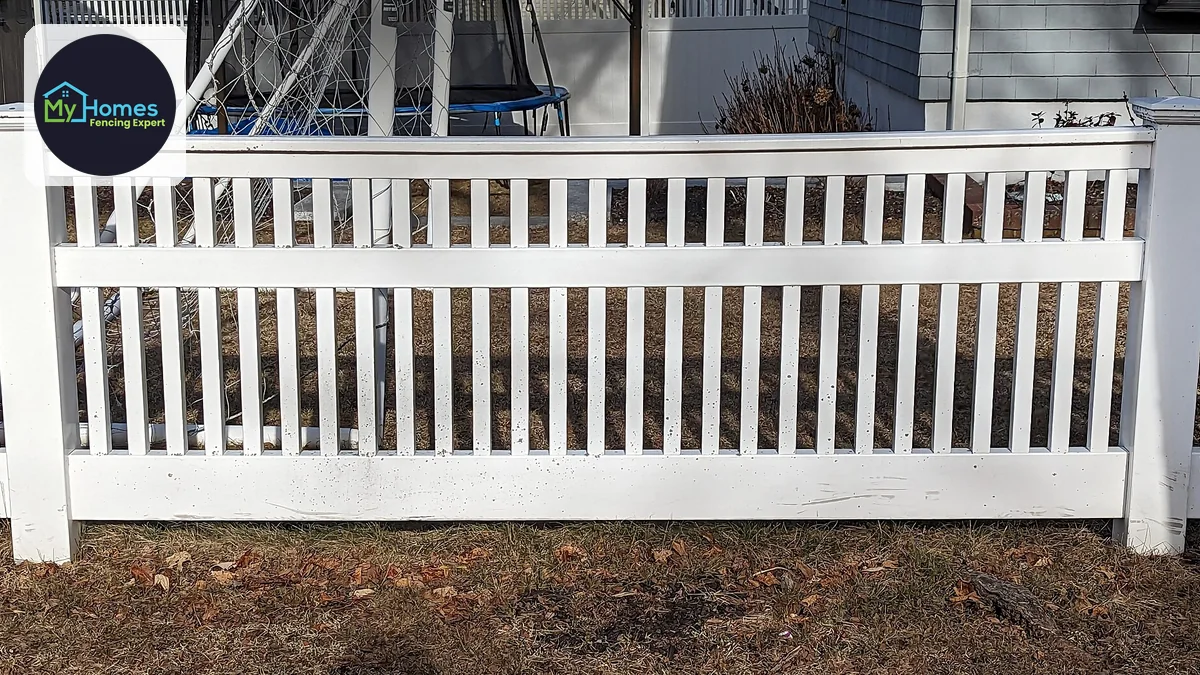
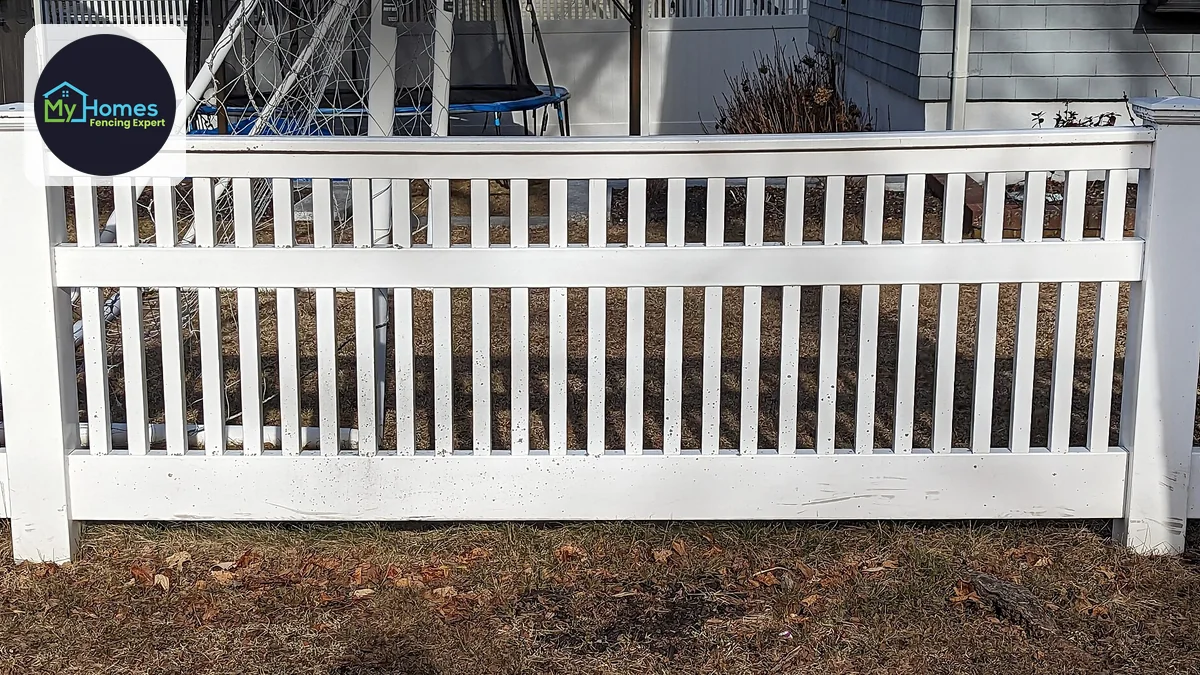
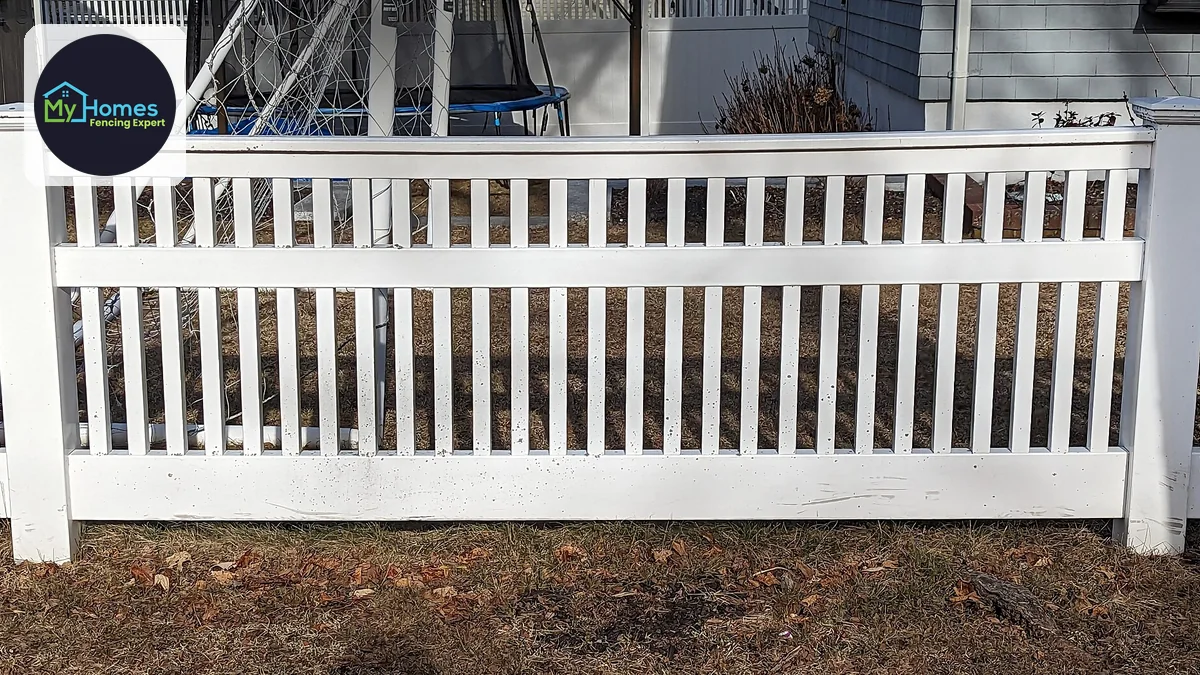
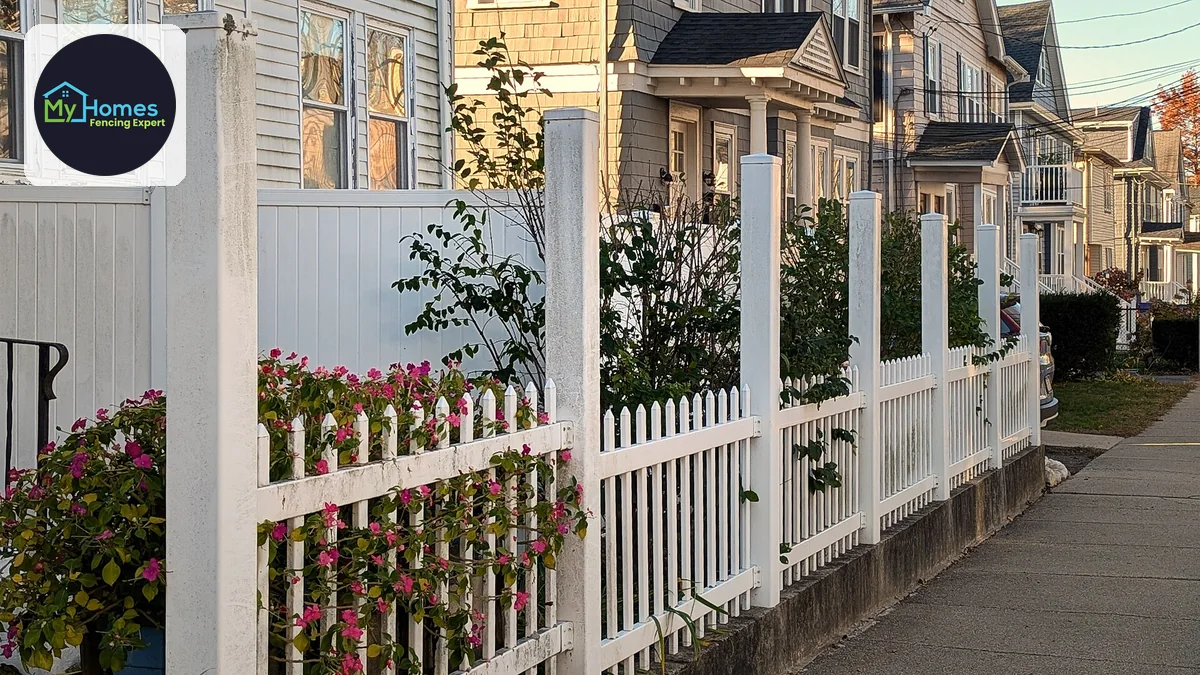
PVC's big selling point is that it's close to maintenance-free. It doesn't rot, rust, warp or need staining or painting, so once it's installed you're really just giving it an occasional wash. That makes it a strong choice around pools (it won't corrode in chlorinated, splashy environments), on coastal sections where salt attacks timber and steel, and for owners who simply don't want ongoing upkeep.
It also holds a crisp, consistent look — clean white and neutral tones that stay tidy — and quality PVC is engineered to resist UV yellowing and stay serviceable for two to three decades. For the right property, that combination of durability and zero fuss is exactly what people are paying for.
The Cons: What to Weigh Up
The first drawback is upfront cost — PVC generally costs more to supply and install than a treated-pine timber fence, so on pure day-one price timber wins. The second is looks: PVC's uniform, moulded appearance suits modern homes but can feel less warm and natural than timber, and you can't change the colour later since it isn't painted.
There's also repairability and quality spread. Because it's a panel system, damage from an impact often means replacing a full panel rather than a single board, and cheaper PVC can become brittle or discolour under years of harsh UV. Buying a quality product rated for NZ conditions matters more with PVC than almost any other material.
Is PVC Right for Your Auckland Property?
PVC makes the most sense when low maintenance, a clean modern look, and resistance to rot and salt are your priorities — think pool surrounds, coastal boundaries, or a busy household that won't be re-staining timber. In those cases its higher upfront cost is offset by decades of not maintaining it.
If your goal is maximum privacy at the lowest price on an inland boundary, treated timber usually remains the better value. The honest answer depends on your site and priorities, which is exactly what a free on-site quote is for — we'll tell you straight whether PVC is worth it for your situation.
Frequently Asked Questions
Yes, upfront — PVC generally costs more to supply and install than a treated-pine timber fence. Over time the gap narrows because PVC needs no staining or painting, so its lifetime cost can be competitive, especially in coastal or pool settings.
Cheaper grades can become brittle or discolour under years of harsh UV, but quality PVC is engineered to resist yellowing and stay serviceable for 20–30 years. With PVC, buying a product rated for NZ conditions really matters.
PVC isn't designed to be painted — the colour is through the material. Repairs usually mean replacing an affected panel rather than a single board, so it's worth choosing a system with readily available matching panels.
Ready to start your fencing project?
Get a free, no-obligation quote anywhere in Auckland.
Get a Free QuoteRelated fencing services